Introduction
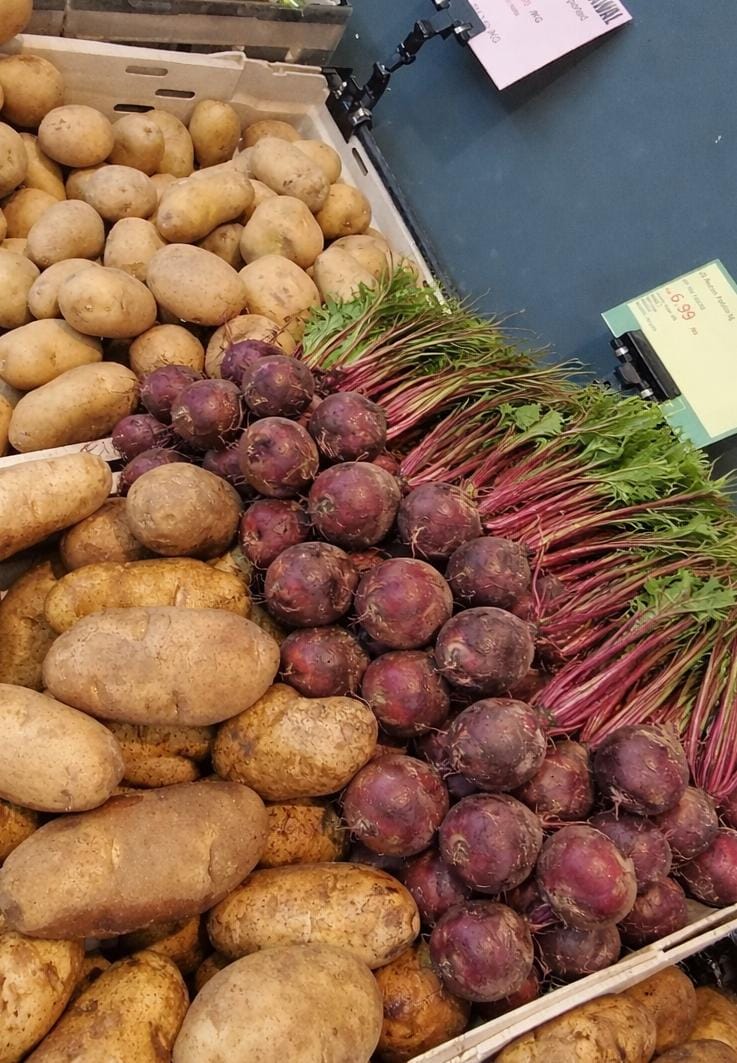
Beetroot also known as Beta Vulgaris. It is a root vegetable known for its deep red-purple, high nutritional value and earthy flavor. Beetroot, Chard and Spinach belong to the same family. It is widely cultivated across Americas, Europe and Asia. The benefits of beetroot are highly promoted due to its rich nutritional content.
Appearance of beetroot looks round with dark red flesh. Its taste slightly sweet with earthy undertone and both the root together the leafy greens are edible. We are going to share in depth the “7 Surprising Benefits of Beetroot ” later in this chapter.
Beetroot is considered a super nutrient-dense food as its rich in:
- Folate (Vitamin B9) which is good for cell growth and metabolism.
- Dietary fiber which supports digestion and preventing constipations
- Nitrates help to improve blood circulation and lower blood pressure.
- Antioxidants (betalains and phenolic) may prevent cellular damage, increase immune function, slow aging process and reduce risk of chronic diseases. (National Library of Medicine, NLM)
7 Surprising Benefits of Beetroot
1. Improves Heart Health
Beetroot is rich in natural nitrates, which convert into nitric oxide in the body.
This helps relax blood vessels, improving circulation, and reducing the risk of heart disease.
2. Helps Lower Blood Pressure
Studies show beetroot juice/smoothie can significantly reduce blood pressure within hours.
This makes it beneficial for people with hypertension.
3. Boosts Exercise Performance
Beetroot enhances oxygen use in muscles, improving stamina.
Athletes often use it to increase endurance and delay fatigue.
4. Supports Brain Function
Improves blood flow from nitrates also benefits the brain.
It may help enhance cognitive function and reduce age-related decline.
5. Rich in Antioxidants
Beetroot contains betalains, powerful antioxidants that can reduce inflammation, fight oxidative stress and support overall cellular health.
6. Supports Liver Detoxification
Betalains help the liver process toxins more efficiently and support natural detox pathways.
7. Aids Digestion and Gut Health
Beetroot is high in dietary fiber, which promotes healthy digestion, prevents constipation and supports gut bacteria balance.

Tips: Regular consumption of beetroot – especially as juice or smoothies can provide compounding health benefits over time, particularly for heart health and energy levels. (Healthline)
Downsides of Consuming Beetroot
Beetroot contains natural sugar, it may raise blood glucose and impacting blood sugar level, and it also contains high oxalates which may contribute to kidney stone formation in susceptible individuals.
Moreover, if anyone eating large amounts of beetroot may cause Gastrointestinal issues such as bloating, gas or stomach upset.
Many people grumble about they encountered their urine in red color after consumption. It is fine, as which is harmless to our body due to the pigment of beetroot. The strong pigment can stain hands, clothes and surfaces.
Because of beetroot’s nitrate content, excessive intake can over-lower blood pressure (Hypotension)and may cause dizziness, fatigue, or fainting. Higher risk if you already have low BP or take BP medication.
While beetroot supports detox, excessive intake especially concentrated juice it may stress metabolic pathways and lead to liver overload.
Bottom Line:
Moderate intake is safe and beneficial, but potentially harmful to body if excessive intake.
Practical Limit:
1 small beetroot per day OR 3 – 4 times per week for juice.
People Who Benefit Most from Regular Beetroot Intake
Individuals with High Blood Pressure need to consume regularly as beetroot’s nitrates help to lowering blood pressure and especially beneficial for people with Hypertension.
Regular intake can support vascular health and reduce cardiovascular risk.
Athletes and Physically Active Individuals consume beetroot regularly will improve oxygen efficiency and endurance. It helps delay fatigue during training, workouts or exercises.
Beetroot commonly used as a natural performance enhancer.
Older Adults are recommended to consume regularly as the benefits of beetroot may help reducing risk of age-related cognitive decline, maintaining mental sharpness and enhance blood flow to the brain.
People with Mild Iron Deficiency can benefit from including beetroot in their regular diet, as it contains iron and supports the production of red blood cells.
While it is not a standalone treatment, beetroot can contribute to improving iron levels when combined with a balanced diet rich in other iron sources.
This makes it particularly helpful for individuals at risk of iron deficiency anemia, especially when consumed alongside vitamin C-rich foods that enhance iron absorption.
Individuals seeking Detoxification and Improved Liver Health may benefit from incorporating beetroot into their diet.
Beetroot contains betalains, natural compounds known to support liver function and assist the body’s detoxification.
While it is not a cure-all, adding beetroot as part of a balanced, nutrient-rich diet can complement a clean eating lifestyle and support overall metabolic health.
People with mild Digestive Issues can benefit from adding beetroot to their diet, mainly because of its high fiber content.
Fiber helps support gut health by promoting smoother digestion and improving bowel movements.
This makes beetroot especially useful for those dealing with occasional constipation, as it can regulate the digestive system in a natural and gentle way.
People with Low Energy or Fatigue consume beetroot regularly can naturally boost energy levels over time. Moreover, beetroot improves blood circulation and oxygen delivery, and this helps mental clarity.
Practical Recommendations:
- Best form to consume beetroot: fresh juice, smoothies, or lightly cooked.
- Ideal frequency: 3 – 5 times per week.
Who Should Avoid Regular Beetroot Consumption
People Prone to Kidney Stones should be careful with regular eating of beetroot regularly as beetroot is high in oxalates, which can contribute to stone formation.
This becomes especially risky for those with a history of Kidney stones, since frequent intake may increase the chances of recurrence.
Individuals with Low Blood Pressure should be cautious when consuming beetroot regularly, as it naturally lowers blood pressure.
While this can be beneficial for some, frequent intake may lead to dizziness or even fainting in people with Hypotension.
Individuals with Sensitive Digestive Systems should be mindful when consuming beetroot frequently, as it can sometimes cause bloating, cramps, or even diarrhea when consumed beetroot frequently.
This makes it less suitable for individual with conditions like irritable bowel syndrome, where certain high-fiber or fermentable foods may trigger discomfort.
People on Blood Pressure or Nitrate-Based Medications should be avoid eating beetroot regularly, as it can amplify the effects of these medications.
When combined, this may cause blood pressure to drop too low, leading to potential symptoms like dizziness or weakness.
People with Iron Overload Conditions should less consume of beetroot, because it contains iron that may not be suitable for their condition.
This especially important for individuals with Hemochromatosis, where excess iron can accumulate in the body and lead to health complications.
Final Thoughts
Beetroot offers several important health benefits when consumed in moderation. It supports heart health, improves blood circulation, and provides essential nutrients that contribute to overall well-being.
At the same time, the benefits of beetroot nay not apply equally to everyone, as individuals with kidney stone risk, low blood pressure, or certain medical conditions should be more cautious with regular intake.
Overall, moderation is key to safely enjoying its nutritional value.
Beetroot is highly versatile in cooking and can be easily included in daily meals in different forms. It can be eaten raw in salads, boiled, roasted, or even steamed depending on preference and texture.
Its natural sweetness also makes it suitable for both savory and slightly sweet dishes.
In many Asian households, beetroot is commonly cooked together with pork ribs or chicken to make nourishing soups.
In countries such as Russia, Poland, and across Eastern Europe, beetroot is widely pickled and plays an important role in traditional dishes like borscht. Pickled beetroot can be stored for long periods, making it especially useful during the winter months.
Similarly, in Australia and New Zealand, pickled beetroot is popular as a condiment, often added to sandwiches and burgers.
Roasted Beetroot Dish (Healthy Side Recipe)
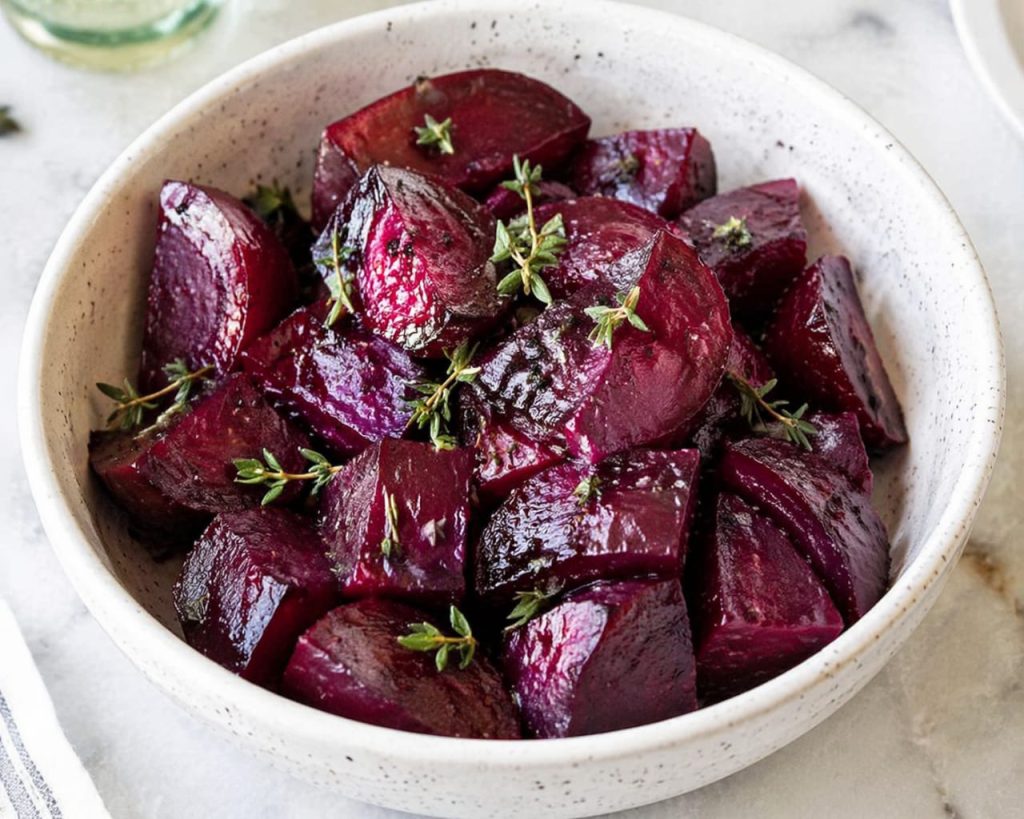
Ingredients:
- 2 medium beetroots (peeled and cut into cubes)
- 1 tablespoon olive oil
- Garlic (minced)
- Salt, pepper, and herbs (optional)
Method: Roast the beetroot cubes in an oven at 180 degrees for 25 – 30 minutes until tender. Toss with olive oil, garlic, and seasoning before serving. This enhances its natural sweetness.
Simple Beetroot Salad (Quick Recipe)
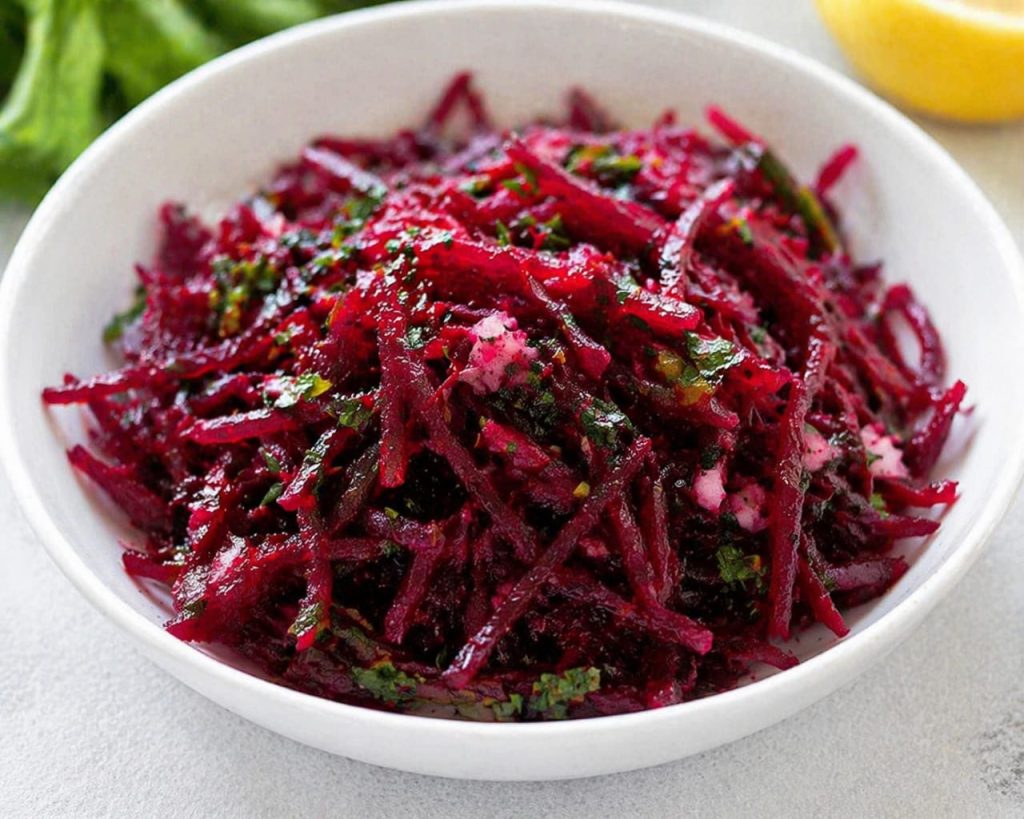
Ingredients:
- 1 boiled beetroot (sliced of grated)
- 1 cucumber (sliced)
- 1 tablespoon olive oil
- Lemon juice
- Pinch of salt and pepper
Method: Mix all ingredients in a bowl and serve fresh. This simple salad is light, refreshing, and preserves the natural nutrients of beetroot.
One of the most popular ways to consume beetroot is through drinks, especially juices and smoothies. It blends well with fruits and vegetables such as apples, bananas, carrots, oranges, and berries, helping to balance its earthy taste while boosting nutritional value.
Beetroot Smoothie (Energy Boost Recipe)
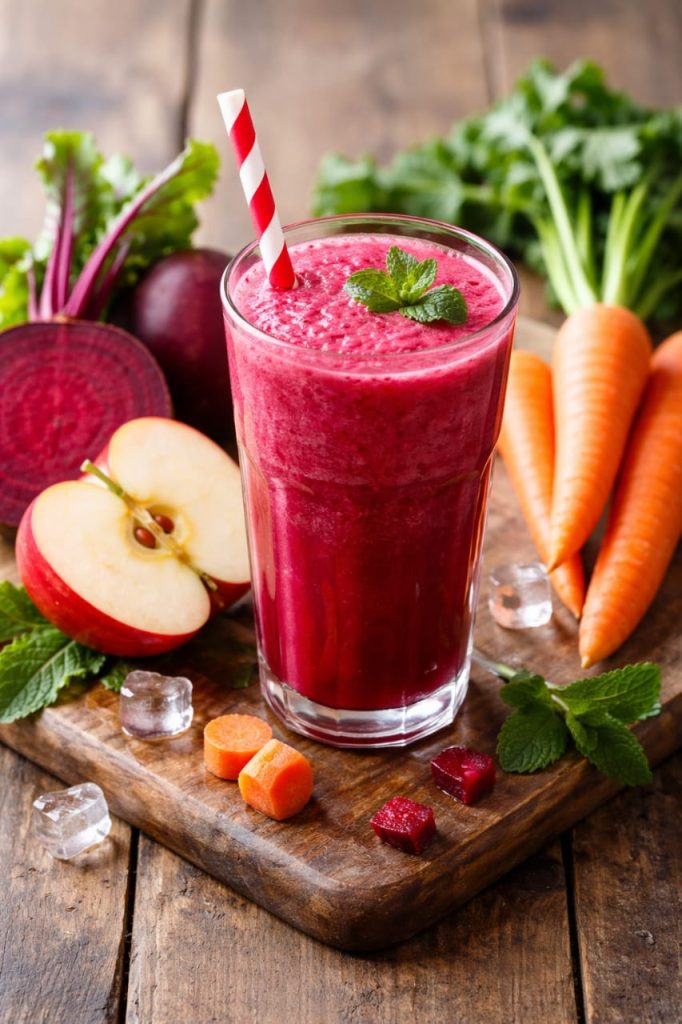
Ingredients:
- 1 small raw beetroot (peeled and chopped)
- 1 banana
- 1/2 cup strawberries
- 1 cup milk or plant-based milk
- 1 teaspoon honey (optional)
Method: Blend all ingredients until smooth and creamy. Serve chilled. This smoothie is commonly used for energy, recovery, and overall wellness.
Overall, its adaptability in both solid meals and liquid forms makes beetroot an easy ingredient to incorporate into a healthy diet, allowing you to enjoy the benefits of beetroot without much preparation effort.
To explore more fabulous Beetroot Recipes, please check them out at :
Conclusion
Beetroot stands out as a versatile superfood with wide applications in health, fitness, and daily nutrition. The benefits of beetroot extend beyond basic nutrition, supporting better stamina, improved exercise performance, and enhanced energy levels, making it especially valuable for active individuals and fitness-focused lifestyle.
In addition to its health and fitness value, beetroot is highly adaptable in the kitchen. It can be enjoyed in salads, roasted dishes, juices and smoothies, making it easy to incorporate into everyday meals while enjoying the benefits of beetroot in a variety of enjoyable ways.
Overall, the benefits of beetroot make it a powerful addition to a balanced diet. When consumed appropriately and matched to individual health needs, it can support long-term wellness while adding both nutrition and variety to everyday eating habits.


Leave a Reply