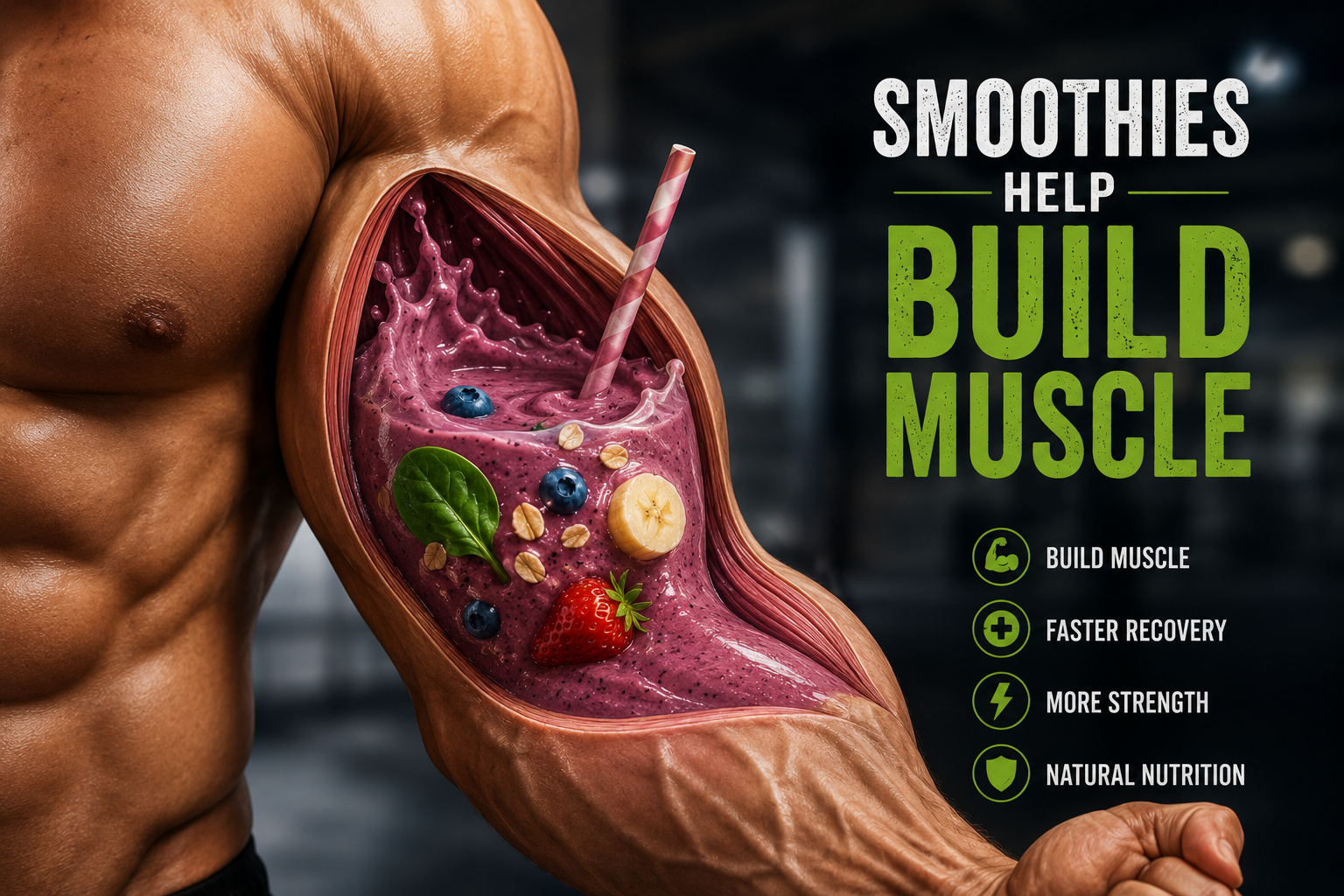
Smoothies for muscle recovery are becoming a popular choice among fitness enthusiasts because they offer a quick and nutritious way to refuel the body after exercise.
Building muscle is not only about lifting heavier weights or spending more hours in the gym. Nutrition plays a major role in muscle growth, recovery, and overall performance. Many people focus on protein powders and supplements, but natural whole foods can also provide excellent support.
Smoothies are quick, convenient, and packed with nutrients that help your body recover after exercise. Whether you are a beginner starting your fitness journey or someone trying to maintain muscle as you age, the right smoothie ingredients can support muscle recovery naturally.
But can smoothies actually help build muscle?
The short answer is YES– when they are made with the right ingredients and combined with proper strength training and balanced meals.
In this article, we will explore how smoothies for muscle recovery support muscle growth, the science behind muscle recovery, and five powerful ingredients you can add to your smoothie naturally.
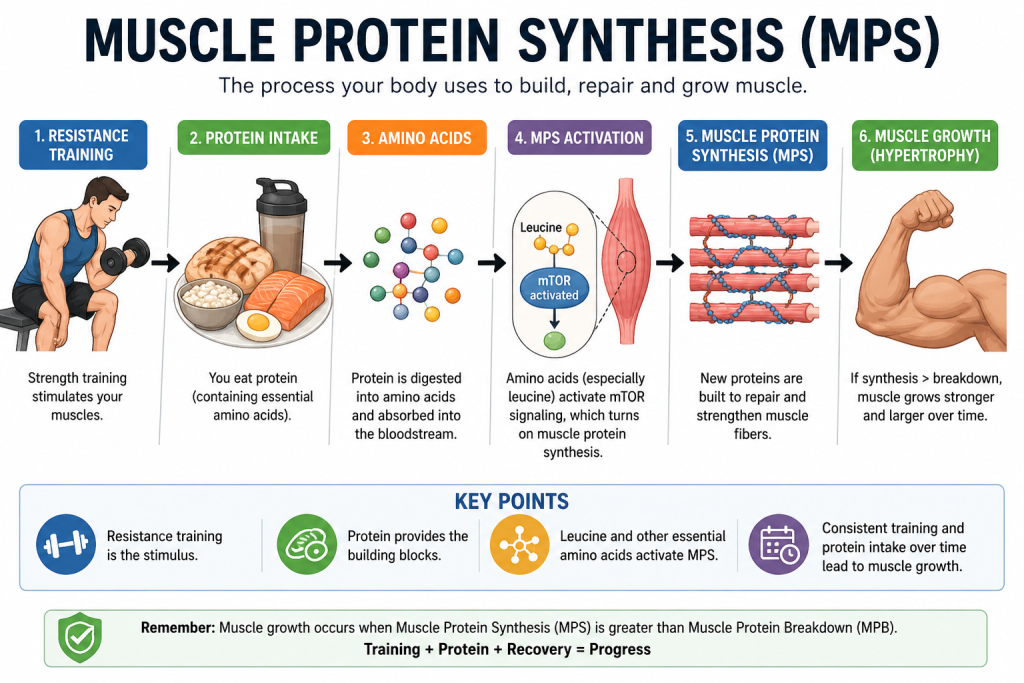
How Muscle Growth Actually Happens
Before discussing smoothies, it is important to understand how muscle grow.
When you perform resistance exercises such as :
Weightlifting
Bodyweight training
Resistance band workouts
High-intensity interval training
Your muscle fibers experience tiny tears.
This sounds alarming, but it is completely normal.
After your workout, your body begins repairing those muscle fibers. During this repair process is called Muscle Protein Synthesis.
To recover effectively, your body needs:
Protein for muscle repair
Carbohydrates to restore energy
Healthy fats for hormone support
Vitamins and minerals to reduce inflamation
Hydration to maintain performance
Without proper nutrition, your recovery may slow down and muscle growth can become difficult.
This is where smoothies for muscle recovery become useful.
Why Smoothies Are Great for Muscle Recovery
1. Easy to Digest After Exercise
After intense exercise, some people do not feel hungry enough to eat a full meal.
A smoothies is easier to consume because it is liquid-based and lighter on the stomach.
For example:
Imagine finishing a one-hour gym session and feeling too tired to cook grilled chicken and rice. A smoothies made with banana, milk, yogurt and oats can provide nutrients immediately.
2.Quick Nutrient Delivery
Blended smoothies help deliver carbohydrates, protein, and micro-nutrients quickly after exercise.
This matters because many fitness experts recommend eating within a recovery window after workouts.
A smoothies for muscle recovery can be prepared in under five minutes.
3.Helps Busy People Stay Consistent
Many working adults skip post-workout meals because of busy schedules.
For example: Jason works a full-time office job and goes to the gym before work at 6 a.m. He often skipped breakfast because he had no time to cook.
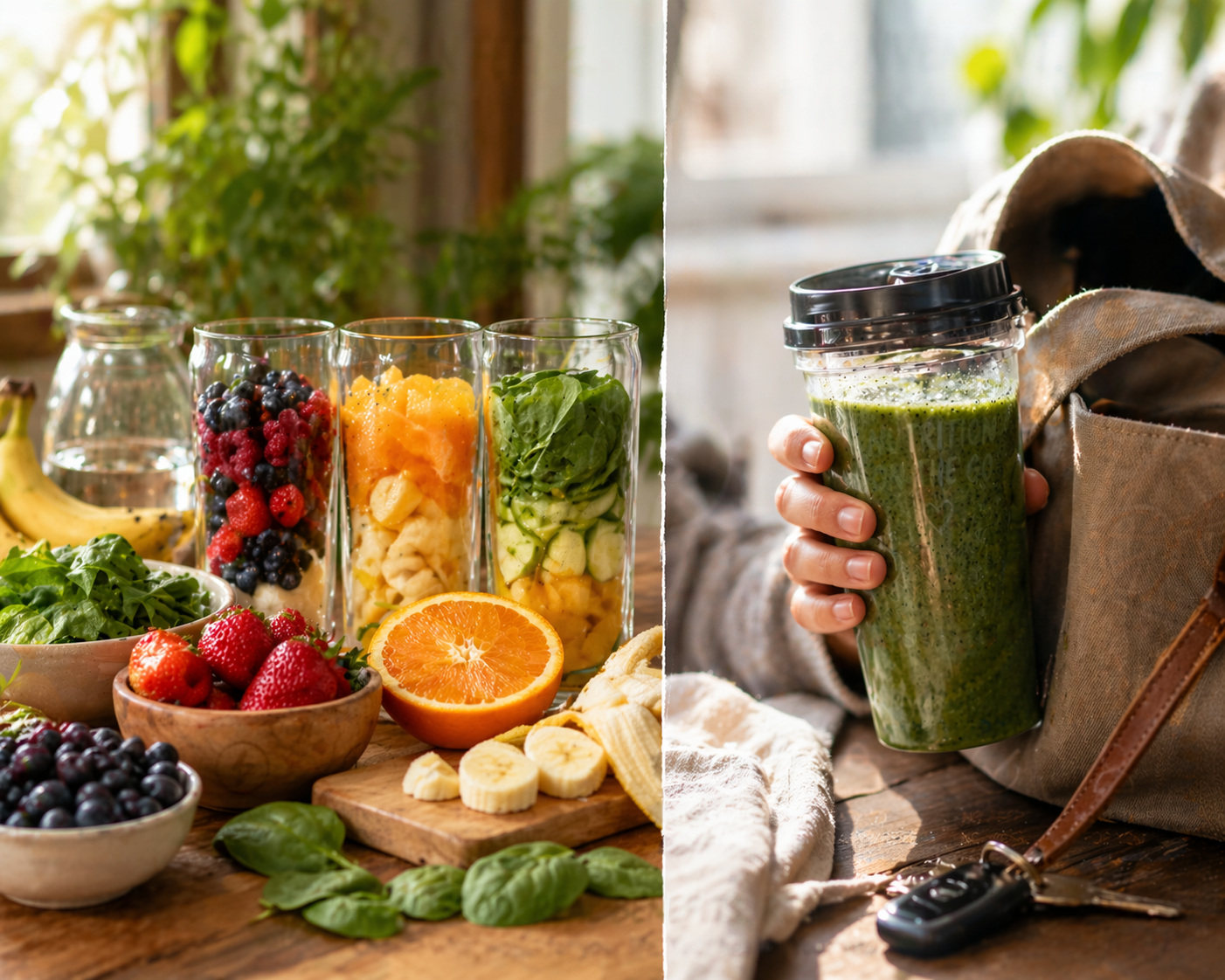
He started preparing overnight smoothie packs containing bananas, berries, oats, and Greek Yogurt.
Every morning after the gym, he blends the ingredients and drinks it on the way to work.
After three months, he noticed:
Better workout energy
Less soreness
Gradual muscle gain
Consistency made the difference.
Can Smoothies Replace Meals ?
NOT ALWAYS.
Smoothies work best as
Post-workout recovery drinks
Healthy snacks
Convenient breakfast options
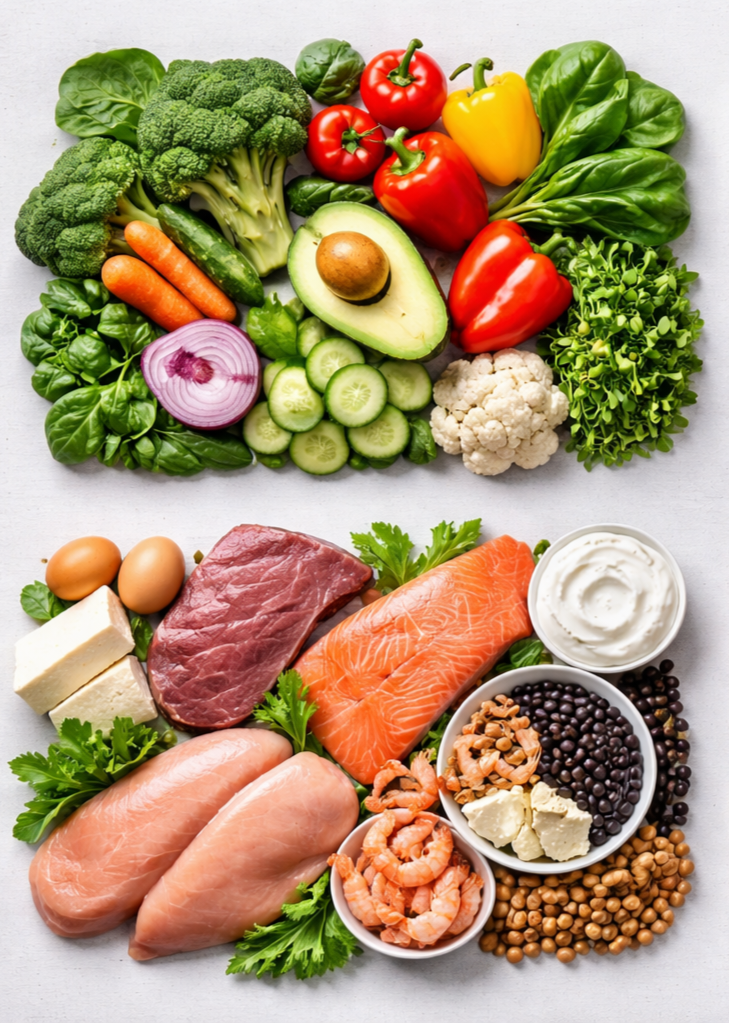
They should always still be part of a balanced diet that includes whole foods like:
Lean meats
Eggs
Vegetables
Rice
Potatoes
Fish
Nuts
Think of smoothies for muscle recovery as a supportive tool- Not Your Entire Diet.
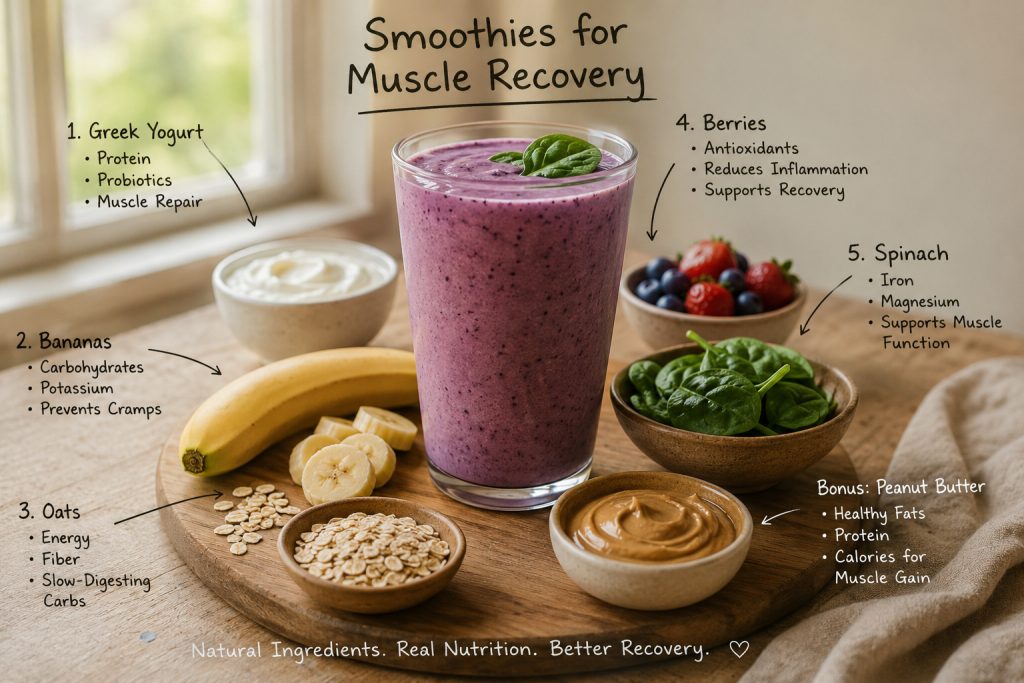
5 Ingredients That Support Recovery Naturally
1. Greek Yogurt
Greek yogurt is one of the best natural protein sources for smoothies.
It contains: * High -quality protein * Calcium * Probiotics * Amino acids
Protein helps repair damaged muscle fibers after workouts.
2. Bananas
Bananas are excellent for post-workout recovery because they contain carbohydrates and potassium.
Carbohydrates help replenish glycogen stores after exercise.
Potassium helps support muscle function and reduce cramping.
3. Oats
Oats provide slow-digesting carbohydrates and fiber.
They help: * Refill energy stores * Keep you full longer * Provide steady energy release
They are a great addition to smoothies for muscle recovery, especially for those trying to gain muscle mass.
4. Berries
Berries like blueberries, strawberries, and raspberries contain antioxidants.
Exercise creates oxidative stress in the body.
Antioxidants help reduce inflammation and support recovery.
5. Spinach
Spinach is rich in: * Iron * Magnesium * Vitamin C * Antioxidants
These nutrients support muscle function, oxygen transport, and recovery.
Bonus Ingredient : Peanut Butter
Although this article focuses on FIVE ingredients, peanut butter deserves mention.
Peanut butter also helps increase overall calorie intake, making it useful for people trying to gain lean muscle. It blends easily into smoothies for muscle recovery, adding a creamy texture and long-lasting energy,
Best Time to Drink Muscle Recovery Smoothies
After workouts (most effective timing)
Breakfast (to start your day with energy)
Between meals (to increase calorie intake)
Common Mistakes People Make
Adding Too Much Sugar
Avoid adding :
Ice cream
Too much syrup
Sugary flavored yogurt
Ignoring Protein
Fruit-only smoothies may taste good buy may not provide enough protein for muscle recovery.
Depending Only on Smoothies
Even the best smoothies for muscle recovery cannot replace proper meals and resistance training.
Sample Recipe Smoothies for Muscle Recovery
Natural Muscle Builder Smoothies
Ingredients:
* 1 Banana * 1/2 cup oats * 1 cup Greek yogurt * 1 tablespoon peanut butter * 1/2 cup berries * Handful of spinach * 1 cup milk
Instructions:
~ Add all ingredients into a blender ~ Blend until smooth ~ Drink after workouts
Do You Need Protein Powder?
NOT NECESSARILY!
Whole foods can provide enough nutrients for many people.
Protein powder may help those who :
Have higher protein needs
Are very busy
Struggle to meet daily protein goals
But Smoothies For Muscle Recovery made from natural ingredients remain an excellent option.
Final Thoughts
So, can smoothies help build muscle?
YES!-but only when paired with:
Strength training
Proper sleep
Balanced meals
Consistency
Smoothies alone will not build muscles overnight.
However, smoothies for muscle recovery make recovery easier, improve nutrient intake, and help busy individuals stay on track.
By using natural ingredients like Greek Yogurt, bananas, oats, berries, and spinach, you can support muscle recovery without relying heavily on supplements.
Sometimes the simplest habits create the strongest results.
Today, I am going to share and anatomy the benefits of the 5 High Protein Fish especially for people looking for fitness, heart health and weight loss.
When people talk about building a strong, lean, and healthy body, protein is always part of the conversations. But not all protein sources are created equal. Among the many options available, fish stands out as one of the most effective and balanced choices you can make your diet.
This is why understanding the 5 high protein fish that also contain healthy fats is so valuable. These fish do more than just provide protein. They deliver essential omega-3fatty acids which can improve hearth health, support brain function, and help with fatloss. According to the American Heart Association, omega-3 fatty acids help reduce the risk of heart disease and support overall cardiovascular health.
Whether your goal is to gain muscle, lose weight, or simply improve your overall health, choosing the right fish can make a measurable difference. In this article we will break down the 5 high protein fish you should include in your diet, explain their benefits, and show you how to use them effectively.
Why Focus on the 5 High Protein Fish for Your Diet?
Before diving into the list, it is important to understand why the 5 high protein fish category is so powerful as compared to other protein sources.
Protein is essential for repairing muscle tissue, maintaining lean body mass, and supporting metabolism. Research from the Harvard T.H. Chan School of Public Health hightlights that high-quality protein sources like fish are beneficial for long-term health and weight management.
At the same time, healthy fats, especially omega-3 fatty acids which play a critical role in reducing inflammation, supporting cardiovascular health, and enhancing recovery after exercise.
Most land-based protein sources either lack of healthy fats or contain unhealthy saturated fats. Fish, on the other hand, provides a rare combination of:
High-quality protein
Healthy fats (omega-3)
Essential vitamins and minerals
This combination is exactlywhy nutrition experts often recommend focusing on the 5 high protein fish instead of relyingsolely on chicken, beef, or processed protein sources.
How the 5 High Protein Fish Support Fitness and Weight Loss?
The 5 high protein fish are especially effective for people who are serious about fitness and weight loss management, and desire to achieve a great result over a period.
First, protein increases satiety. This means you feel full longer after eating , which helps reduce overall calorie intake. Second, omega-3 fatty acids improve how your body processes fat and can support metabolic health.
Additinally, these fish help preserve muscle mass during weight loss. This critical because losing muscle can slow down your metabolism and make it harder to maintain results.
By incorporating the 5 high protein fish into your weekly meals, you create a sustainable approach to both fat loss and muscle maintenance.
When you combine protein and healthy fats in one food source, you get a powerful nutritional profile that supports multiple aspects of your health simultaneously.
5 High Protein Fish
1. Salmon # The Most Popular Choice Among the 5 High Protein Fish
Salmon is often the first fish that comes to mind when discussing the 5 high protein fish, and for good reason. It offers one of the best combinations of protein and healthy fats available in any natural food.
A standard serving of salmon delivers a high amount of protein along with a rich dose of omega-3 fatty acids. These nitriens work together to support muscle recovery, reduce inflammation, and improve heart health.
Salmon is not only nutritious but aso versatile and widely available. It fits easily into most diets, whether you are focused on fitness, weight loss, or general health.
Grilled salmon, baked salmon, pan-seared salmon, or fresh raw salmon with salads are all excellent options. Pair it with vegetables and whole grains for balanced meal.
2. Mackerel # A Powerful Member of 5 High Protein Fish
Mackerel is another standout in the 5 high protein fish category. While it may not be as popular as salmon, it is actually one of the richest sources of omega-3 fatty acids.
This fish is particularly beneficial for people who wat to improve cardiovascular health while maintaining a high-protein diet.
Grilled or smoked Mackerel is the best way of cooking methods, especially when combined with lemon, herbs, or light seasoning.
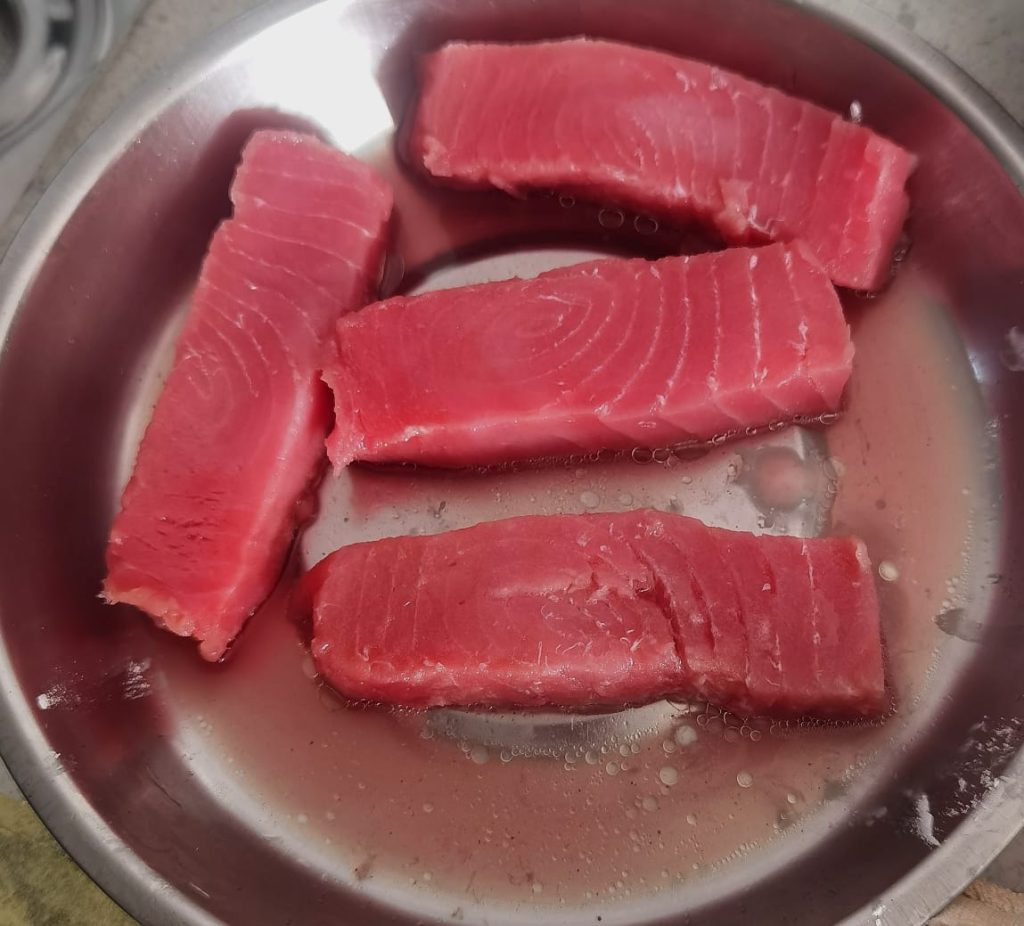
3. Tuna # A Lean Option in the 5 High Protein Fish Category
Tuna is one of the most widely consumed fish globally and plays an important role in the 5 high protein fish list. It is especially popular among athletes and fitness enthusiasts.
Compared to salmon and mackerel, tuna is leaner, meaning it contains less fat but still provides a solid amount of protein and omega-3.
They are commonly canned and can be eaten on toast, in salads, or as part of a quick meal. In addition, they also can be fried to make them more flavorful.
5. Trout # A Balanced Choice in the 5 High Protein Fish List
Trout is another excellent option that completes the 5 high protein fish. It offers a balanced profile of protein and healthy fats while being mild in flavor.
Trout can be baked, grilled, or steamed and pairs well with simple, healthy ingredients like onions, garlics, tomatoes, mushroom, carrots and even tofu too.
How to Add 5 High Protein Fish to Your Weekly Diet
Including the 5 high protein fish in your diet does not require complicated meal planning. The key is consistency and variety.
Here are some practical strategies:
Eat fish at least 2 – 3 times per week
Rotate between the 5 high protein fish to avoid boredom
Use simple cooking methods like grilling, baking or steaming
Combine fish with vegetables and whole foods to make your meal more flavorful
Common Mistakes When Eating the 5 High Protein Fish
Even though the5 high protein fish are extremely healthy, there are some mistakes to avoid:
1. Overcooking Fish
Overcooking can reduce flavor and nutritional value.
2. Choosing Processed Fish
Heavily processed fish products often contain unhealthy additives.
3. Ignoring Portion Sizes
Even healthy foods should be consumed in balanced portions.
Additional Health Benefits of the 5 High Protein Fish
Beyond fitness and weight loss, the 5 high protein fish provide several long-term health benefits:
Improved heart health
Better brain function
Reduced inflammation
Stronger immune system
These benefits make fish one of the most valuable foods you can include in your diet.
Mini Tutorial – What Is Omega-3 Fatty Acids
Omega-3 fatty acids are a group of essential polyunsaturatedfats that play a fundamental role in maintaining overall health and supporting vital body functions. Because the human body cannot produce omega-3 fatty acids on its own, they must be obtained through diet, primarily from sources such as fatty fish, nuts, and seeds. The three main types of omega-3 fatty acids include alpha-linolenic acid (ALA), eicosapentaenoic acid (EPA), and docosahexaenoic acid (DHA), each contributing uniquely to physiological processes. These healthy fats are widely recognized for their ability to support cardiovascular health by helping to reduce triglyceride levels, lower blood pressure, and decrease the risk of heart disease.
In addition, omega-3 fatty acids possess strong anti-inflammatory properties, which can help manage chronic inflammation linked to conditions such as arthritis and metabolic disorders. Another key feature of omega-3 fatty acids is their importance in brain function, as DHA is a major structural component of the brain and retina, supporting cognitive performance, memory, and visual health. Regular intake of omega-3 has also been associated with improved mental well-being, potentially reducing symptoms of depression and anxiety.
Furthermore, these fatty acids contribute to better metabolic health and may aid in weight management by improving fat metabolism and promoting a feeling of fullness.
Overall, omega-3 fatty acids are essential nutrients, that provide a wide range of health benefits, making them a critical component of a balanced and nutritious diet.
Conclusion
Why the 5 high protein fish should be part of your lifestyle?
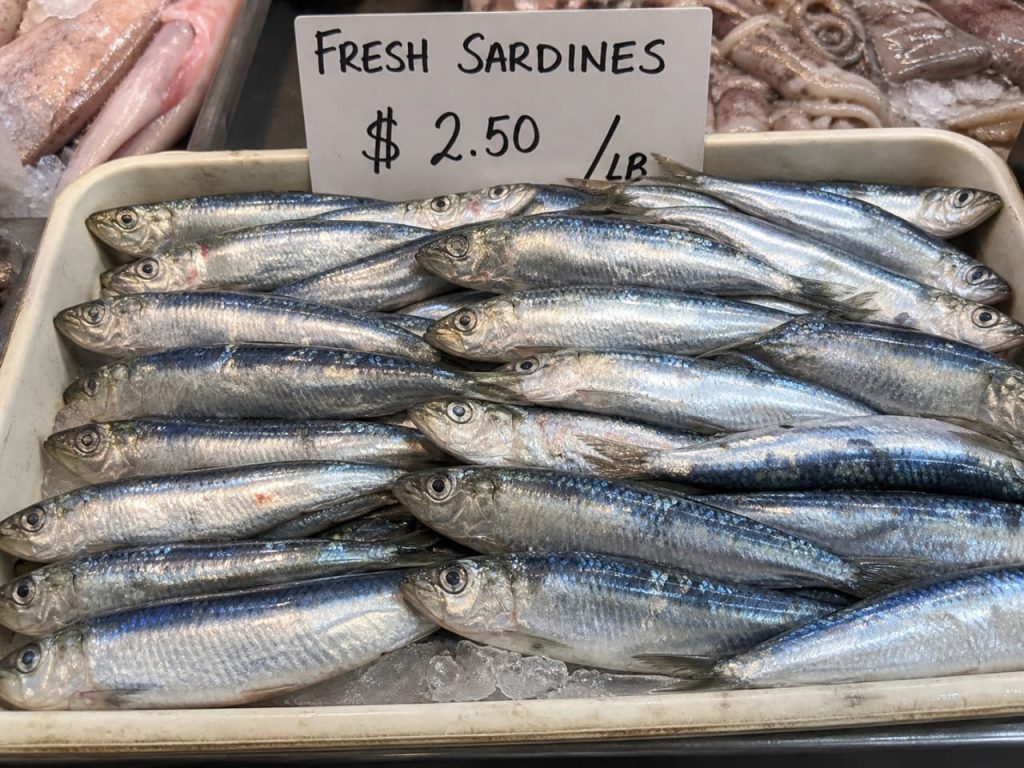
The 5 high protein fish – salmon, mackerel, tuna, sardines, and trout offer a unique combination of protein and healthy fats that few other foods can match.
They support muscle growth, develop muscle mass, promote fat loss, improve heart health, and contribute to overall well-being. By incorporating these fish into your regular diet, you create a strong nutritional foundation that supports both short-term fitness goals and long-term health.
Instead of relying on processed foods or limited protein sources, focus on these natural, nutrient-rich options. The results will not only be visible in your physical performance but also in how you feel every day.
Start including 5 high protein fish in your meals consistently, and over time, you will see why they are considered one of the best dietary choices for health and fitness.
More articles related to Heart Health and Weight Loss; you are welcome to visit the links below:
Two years ago, I never thought I would become someone who looked forward to morning workout, homemade meals, or yoga before bed as part of my healthy lifestyle routine.
My name is Mavis, and my life used to feel completely out of balance. I worked long hours, spent too much time sitting in front of a computer, and constantly told myself I was “too busy” to focus on health. My days felt rushed from morning until night, and I believed unhealthy habit were simply part of adult life.
Every morning started with chaos.
I usually woke up late after pressing the snooze button several times. Instead of preparing breakfast, I rushed to get ready for work. Most mornings, I grabbed coffee and maybe sweet bun from a convenience store. Sometimes I skipped breakfast completely and told myself I would eat a bigger lunch later.
By lunch time, I was starving.
That often led to unhealthy choices like fried chicken, burgers, instant noodles, or sugary drinks because they were quick and convenient. After work, I felt too tired to cook, so I relied heavily on food delivery apps. Pizza, fried rice, bubble tea, and fast food became normal parts of my weekly routine.
Exercise was almost nonexistent.
I would tell myself things like:
” I’ll start next month.”
“I’m too tired today.”
“I deserve to rest after work.”
But deep down, I knew I was making excuses.
At night, things didn’t get any better. I spent hours scrolling social media, watching random videos, playing online game and sleeping far too late. Even when I finally went to bed, my mind was still full of stress from work.
The next morning, the cycle repeated itself.
Over time, my body started sending warning signs,
I felt constantly tired. I became easily out of breath when climbing stairs.
My skin looked dull. I felt bloated after meals. My energy crashed every afternoon.
I also noticed my clothes felt tighter than before.
Once weekend, I attended a family gathering and saw photos taken that day. When i looked at myself in those pictures, I looked exhausted.
My smile looked forced.
My face looked tired.
I barely recognized myself.
That moment hit me hard.
I realized I wasn’t taking care of my body at all.
I didn’t want extreme diets.
I didn’t want unrealistic workout plans.
I wanted a sustainable healthy lifestyle routine that I could maintain long-term.
So, I decided to make small changes.
Those small changes completely transformed my life.
4 Ways Healthy Lifestyle Routine
1. Starting My Morning with 20 Minutes of Exercise
The first habit I built was simple.
I committed to exercising for just 20 minutes every morning.
Not one hour. Not intense gym workout.
Just 20 minutes.
At first, I started with brisk walking around my neighborhood.
Some days I did stretching exercise.
Other mornings included:
Light Jogging
Jump rope
Bodyweight squats
Home workout videos
Basic yoga stretches
The hardest part was waking up ealier.
There were mornings when my bed felt impossible to leave.
But I reminded myself that 20 minutes was manageable.
After three weeks, I noticed something suprising.
I felt more energized throughout the day.
I became more productive at work.
My mood improved.
I relied less on caffeine.
That small morning workout became an important part of my healthy lifestyle routine.
2.Eating a Balanced Breakfast
Skipping breakfast used to be my biggest mistake.
When I skipped breakfast, I felt hungry earlier and made unhealthy lunch choices.
Now, I make sure my breakfast includes balance.
My regular breakfast options include:
Scrambled eggs
Whole grain toast
Oatmeal
Greek yogurt
Fruits
Nuts
Avocado
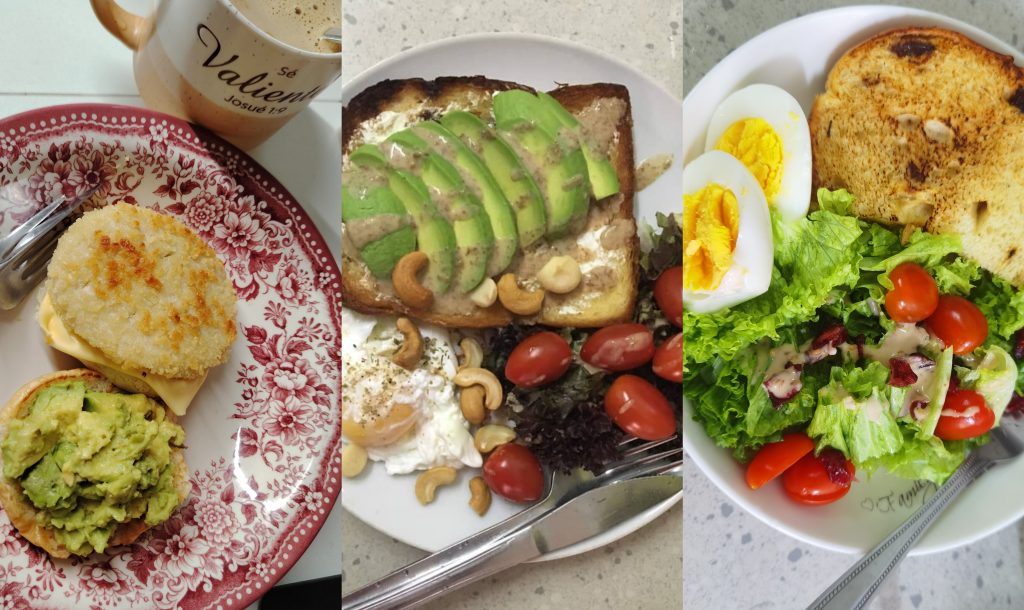
One of my favorite breakfasts is creamy avocado on a toasted bun, paired with melted cheese, a crispy hash brown, and a warm cup of milk coffee.
Another two simple breakfast options I enjoyed are eggs with whole grain toast and fresh fruit, as well as oatmeal topped with bananas, almonds, and chia seeds.
Smoothies Twice a Week
To make breakfast easier, I started using smoothies as a breakfast substitute two times a week, especially om busy mornings.
These smoothies save time while still giving me nutrients.
According to the World Health Organization, adults should consume at least 400 g of fruits and vegetables daily, which made smoothies an easy way for me to increase my intake.
They also helped me avoid unhealthy fast-food breakfasts.
Adding smoothies made my health lifestyle routine more practical and realistic.
Prevent muscle loss was never something Sean thought about in his early fifties. At 50, he still felt relatively healthy. He went for walks in the morning, occasionally helped his wife carry groceries, plays table tennis with his friends during weekend and believed he was doing enough to stay active. Life felt stable, predictable, and manageable.
But one afternoon, while receiving and lifting a heavy box from a courier service guy, something felt different. His arms tired faster than expected. His grip weakened halfway through the lift. It wasn’t dramatic or alarming, but it was noticeable enough to stay in his mind. That small moment planted a quiet question to himself – was his body starting to change in ways he hadn’t considered?
Over the next few months, similar moments began to appear. Climbing stairs felt slightly more demanding and tired. Carrying bags required more effort as compare to last time. Even standing for long periods seemed to take more out of him than before. None of these changes were severe, but together they pointed to something deeper. His body was slowly losing strength, ad he didn’t know why.
Like many people, Sean assumed this was simply part of aging. He believed that losing strength was natural and unavoidable. What he didn’t realized was that many of these changes were linked to muscle loss and more importantly,that he could be take steps to prevent muscle loss with the right approach.
When Strength Begins to Fade
Sean had never paid close attention to his diet. He ate what was convenient and familiar. Breakfast was usually light, often just bread and coffee and even skipped when feel not appetite. Lunch consisted of rice with some protein, and dinner varied depending on what was available. It wasn’t an unhealthy routine, but it lacked intention.
The idea that nutrition could directly influence his ability to prevent muscle loss had never crossed his mind. Like many others, he associated strength with exercise alone. If he moved enough, he believed that would be sufficient.
But as his energy levels declined and his strength gradually weakened, it became clear that something was missing. His daily habits were no longer enough to support his body’s changing needs.
Understanding What the Body Needs
Everything began to shift when Sean spoke with a health professional who asked a simple question: “How much protein are you consuming each day to prevent muscle loss?”
Sean didn’t have an answer.
For the first time, he started paying attention to what he was actually consuming. He realized that while he ate regularly, his protein intake was inconsistent and often insufficient. Most of his meals were built around carbohydrates, with protein protein playing only a minor role.
What he learned next changed his perspective completely!
After 50, the body becomes less efficient at using protein. This means that even if you eat the same way you did in your younger years, it may not be enough to maintain muscle. To effectively prevent muscle loss, protein intake needs to increase, not dramatically but intentionally.
How Much Protein Is Enough to Prevent Muscles Loss?
As Sean dug deeper. He discovered that in order to prevent muscle loss requires a more structured approach to protein intake. General dietary guidelines often fall short for older adults, especially when the goal is to maintain strength and muscle mass.
A more appropriate target for someone his age is approximately 1.2 to 1.6 grams of protein per kilogram of body weight each day. This range provides the body with enough amino acids to support muscle repair and maintenance.
When Sean calculated his own intake, the gap was clear. He was consuming far less than what his body required to prevent muscle loss effectively. This realization wasn’t discouraging as it was empowering. For the first time, he understood that his situation could be improved with simple, consistent changes.
7 Approaches to Prevent Muscle Loss
The Role of Protein in Daily Life
Protein is more than just a nutrient. It is the structural foundation of muscle tissue. Every movement, from lifting objects to maintaining posture, relies on muscle integrity. Without sufficient protein, the body struggles to repair and maintain this structure.
Sean began to see protein differently. I was no longer just part of a meal, it was a tool to prevent muscle loss and maintain independence.
He didn’t adopt extreme measures. Instead, he made gradual adjustments. Breakfast became more balanced, lunch included slightly larger portions of protein, and dinner focused more on quality rather than quantity. These changes were simple and viable, but they created a noticeable shift little by little.
Small Changes That Create Real Impact
Within a few weeks, Sean noticed subtle improvements. His energy levels became more stable. Tasks that once felt tiring began to feel manageable again. These changes weren’t immediate or dramatic, but they were consistent.
Prevent muscle loss became a guiding principle in how he approached his daily routine. He wasn’t just eating to feel full, he was eating to support his body.
As he continued this approach, he began to feel more confident in his movements. Walking felt easier, carrying groceries required less effort and even his posture improved slightly. These were small wins, but they reinforced the idea that his actions were making a difference.
The Importance of Consistency
One of the most Important lessons Sean learned was that consistency matters more than perfection. Prevent muscle loss is not about following a perfect diet everyday. It is just as simple as maintaining a steady pattern over time.
He didn’t worry about hitting exact numbers daily. Instead, he focused on building habits that supported his overall goal. Some days were better than others, but over a long periods, this average intake improved.
This approach made the process sustainable. It removed the pressure of perfection and replaced it with a mindset of progress.
More Than Just Nutrition
As Sean continued his journey, he realized that preventing muscle loss involved more than just protein. It was about creating an environment where his body could function at its best.
He began incorporating light resistance exercises into his routine. Nothing intense, just simple movements to engage his muscles. This combination of nutrition and activity created a stronger foundation for his body.
Prevent muscle loss was no longer a single action. It became a lifestyle.
A Shift in Perspective
At 52, Sean felt different, not younger, but stronger, steadier, more energetic and more capable in ways that mattered to his everydaylife. The changes were not dramatic, yet they were meaningful enough to reshape how he viewed himself. Tasks that once felt slightly burdensome became easier and manageable again, and movements that required effort began to feel more natural.
He no longer saw aging as a steady and unavoidable decline. On the flip side, he began to understand that aging is a process that can be influenced, shaped, and even improved through consistent daily choices. This shift in thinking allowed him to take a more active role in his own health, rather than passively accepting changes as inevitable.
He realized that to prevent muscle loss, awareness was just as important as action. Paying attention to how his body responded to food, movement, and rest gave him a clearer sense of what worked and what needed adjustment. As time passes, he became more intentional with his habits, knowing that even small decisions could help prevent muscle loss and support his overall strength.
Sean also understood that his body still had the ability to adapt. While the process may have slowed compared to this younger years, the capacity for improvement had not disappeared. It simply required the right conditions which were adequate nutrition, consistent movement, and enough recovery to allow the body to respond effectively.
Prevent muscle loss gradually became more than just a goal. It evolved into a mindset that guided his daily life routine. From the way he structured his meals to how he approached physical activity, each choice was aligned with maintaining his strength and independence. This sense of purpose made his efforts feel less like a chore and more like an investment in his future.
As the months passed, the benefits extended beyond physical strength. His confidence improved, and he felt more in control of his health. Knowing that he could take steps to prevent muscle loss gave him reassurance that aging did not have to mean limitation. Alternatively, it could be a stage of life where strength, stability, and resilience were still within reach.
In many ways, this shift in perspective became the most important change of all. It transformed how he approached not only his body, but his overall lifestyle.
b
By focusing on how to prevent muscle loss consistently, he built habits that supported long-term health, allowing him to move forward with greater confidence and clarity.
Why Many People Miss This
Sean often thought about how long it took him to realize the importance of protein. He wondered how many others were experiencing the same gradual decline without understanding the cause.
One of the most common issue is lack of awareness. People continue eating the same way they always have, unaware that their bodies now require something different.
Prevent muscle loss requires a shift in thinking. It means recognizing that what worked before may not be enough now.
The Long-Term Impact
Over time, the benefits of these changes became more evident. Sean felt more stable when walking, even running. He experienced fewer moments of fatigue as compared with his peers. His overall energy improved.
These outcomes were not the result of a single change, but the accumulation of consistent effort. Prevent muscle loss became a long-term investment in his health.
He realized that strength is not built overnight. It is through repeated actions, brick by brick and day after day.
Frequently Asked Question (FAQ)
1. Why is it important to prevent muscle loss after 50?
To prevent muscle loss after 50 is essential because muscle decline reduces strength, mobility, and independence. Maintaining muscle mass helps improve balance, supports metabolism, and lowers the risk of falls and injuries, allowing you to stay active and functional as you age.
2. How much protein do you need to prevent muscle loss after 50?
To prevent muscle loss after 50, you typically need 1.2 to 1.6 grams of protein per kilogram of body weight daily. This higher intake supports muscle maintenance by compensating for age-related declines in muscle protein synthesis.
3. Can protein alone prevent muscle loss?
No, protein alone cannot fully prevent muscle loss. While adequate protein intake is essential, combining it with resistance training provides the necessary stimulus for muscle maintenance and growth.
4. What are the best protein sources to prevent muscle loss?
The best protein sources to prevent muscle loss include lean meats, fish, eggs, dairy products, and plant-based options such as bean and tofu. These foods provide essential amino acids needed for muscle repair and maintenance.
5. Why does muscle loss happen faster after 50?
Muscle loss happens after 50 due to reduced hormone levels, lower physical activity, and decreased responsiveness to protein intake. These factors make it more difficult for the body to maintain and repair muscle tissue.
6. Can you rebuild muscle after 50?
Yes, you can rebuild muscle after 50 through consistent resistance training and proper nutrition. The body retains the ability to adapt, allowing you to prevent muscle loss and regain strength over a period.
7. How often should you eat protein to prevent muscle loss?
To prevent muscle loss, protein should be consumed evenly across meals, typically 20 – 30 grams per meal. This helps maintain a steady supply of amino acids for continuous muscle repair.
8. Is walking enough to prevent muscle loss?
Walking alone is not enough to gain muscle mass. While it supports general health, resistance training is needed to stimulate muscle growth and maintain strength.
9. Do supplements help prevent muscle loss?
Supplements can help prevent muscle loss if dietary protein intake is sufficient. However, whole foods should remain the primary source, with supplements used for convenience when needed.
10. How long does it take to prevent muscle loss or see results?
To prevent muscle loss, improvements in strength can occur within 4 to 6 weeks, while visible muscle changes typically take 8 to 12 weeks with consistent training and proper nutrition.
Final Thought
Sean understands that aging does not automatically mean decline. It means adaptation. And one of the most effective ways to prevent muscle loss is by aligning your daily habits with your body’s evolving needs.
To prevent muscle loss after 50, understanding your body’s changing requirements is essential. Protein intake becomes a central factor in maintaining strength, function, and independence.
By ensuring adequate daily intake, distributing it consistently, and combining it with an active lifestyle, you create an environment where you can effectively prevent muscle loss while supporting long-term resilience.
Declining in muscle mass may be common with age, but it is not inevitable. With the right approach, you can prevent muscle loss, maintain strength, and continue to stay fit and healthy as the years progress.
And sometimes, the difference begins with something as simple as what’s on your plate.
Research from the National Institutes of Health shows that adequate protein intake combined with physical activity plays a key role in maintaining muscle mass in older adults. Harvard Health also highlights that consistent nutrition and strength-focused habits are essential to reduce age-related muscle decline.
To explore more knowledges on Preventing Muscle Loss after 50 and Daily Resistance Training, you can visit these links:
Muscle loss with age – clinically known as sarcopenia which is largely preventable or at least significantly slowable. Furthermore, muscle loss is one of the most critical yet underestimated aspects of aging.
After the age of 50, the body undergoes physiological changes that accelerate the decline of muscle mass, strength, and function.
This condition is commonly referred to as age-related muscle loss which can significantly impact mobility, independence, metabolic health and overall quality of life. However, it is not an unavoidable consequence of aging.
Modern research shows that with the right interventions, particularly strength training, optimized nutrition, and targeted lifestyle habits – you can not only prevent muscle loss but also rebuild strength well into your later decades.
This comprehensive guide explains exactly how to prevent muscle loss after 50 using evidence-based strategies.
Understanding Muscle Loss: What Happens After 50?
Starting around age 30, adults begin to lose approximately 3 – 8% of muscle mass per decade. After 50, this rate accelerates significantly.
This process is driven by several biological mechanisms:
1. Anabolic Resistance
As you age, your muscles become less responsive to protein intake. This means your body requires a higher amount of protein to stimulate muscle protein synthesis effectively.
2. Hormonal Decline
Key anabolic hormones such as testosterone, growth hormone, and insulin-like growth factor (IGF-1) naturally decline with age, reducing the body’s ability to maintain muscle mass.
3. Reduced Physical Activity
Many individuals become less active with age, leading to muscle disuse and atrophy.
4. Neuromuscular Changes
There is a gradual loss of motor neurons, which affects muscle contraction efficiency and strength.
5. Chronic Inflammation
Low-grade inflammation, often referred to as “inflammaging,” contributes to muscle breakdown.
Why Preventing Muscle Loss Is Essential?
Muscle is not just for movement; it plays a central role in metabolic health.
Maintaining muscle mass helps:
Improve insulin sensivity
Reduce the risk of type 2 diabetes
Support bone density and prevent fractures
Enhances balance and coordination
Increase longevity and independence
Loss of muscle mass is strongly associated with frailty, falls, hospitalization, and reduced lifespan.
12 Ways to Prevent Muscle Loss at Old Age
Resistance Training: The Foundation of Muscle Preservation
Resistance training is the most effective intervention to prevent muscle loss after 50.
How It Works?
Strength training activates muscle protein synthesis and promotes hypertrophy (muscle growth). It also improves neuromuscular coordination and increases strength.
Best Exercise for Older Adults
Focus on compound movements:
Squats
Deadlifts
Lunges
Bench press or push-ups
Rows
Overhead press
These exercises recruit multiple muscle groups and provide maximum efficiency.
Training Guidelines
Frequency: 3 – 4 times a week
Sets: 2 – 4 sets per exercise
Reps: 6 – 12 repetitions
Rest: 60 – 90 seconds between sets
Progressive Overload
To prevent muscle loss, you must continuously challenge your muscles by:
Increasing weights
Adding repetitions
Improving technique
Increasing training volume
Without progressive overload, muscle adaptation stops.
Protein Intake: The Most Important Nutritional Factor
Protein is the building block of muscles, and inadequate intake is a leading cause of muscle loss in older adults.
Recommended Intake
1.2 to 1.6 grams per kilogram of body weight per day
Higher intake (up to 2.0 g/kg) may be beneficial for active individuals.
Why Protein Needs Increase with Age?
Due to anabolic resistance, older adults require a higher dose of protein to stimulate muscle protein synthesis effectively.
Best Protein Sources
Lean meats (chicken breast, beef)
Fish (salmon, tuna, sardine)
Eggs
Dairy (Greek yogurt, milk)
Whey protein
Plant-based sources (tofu, legumes, quinoa)
Protein Distribution Strategy
Instead of consuming most protein in one meal, spread intake evenly:
Breakfast: 25 – 30g
Lunch: 25 – 30g
Dinner: 25 – 30g
This maximizes muscle-building signals throughout the day.
The Role of Key Supplements
While whole foods should be the foundation, certain supplements can help prevent muscle loss.
Creatine Monohydrate
One of the most researched supplements for muscle health.
Benefits:
Increases strength and power
Enhances muscle mass
Improves exercise performance
Typical dosage: 3 – 5 grams daily
Whey Protein
Convenient and effective for meeting protein requirements.
Vitamin D
Low levels are associated with muscle weakness and falls.
Omega-3 Fatty Acids
May improve muscle protein synthesis and reduce inflammation.
HMB (Beta-Hydroxy Beta-Methylbutyrate)
Helps reduce muscle breakdown, particularly in older adults.
Strength Training Program Example
Strength training becomes increasingly important with age, as it not only helps build and maintain muscle mass but also improves strength, balance, and overall quality of life, allowing individuals to stay active and independent for longer. Here’s a practical weekly plan:
Day 1: Upper Body
Bench press – 3 sets
Rows – 3 sets
Shoulder press – 3 sets
Bicep curls – 2 sets
Tricep extensions – 2 sets
Day 2: Lower Body
Squats – 3 sets
Deadlifts – 3 sets
Lunges – 3 sets
Calf raises – 2 sets
Day 3: Full Body
Combination of upper and lower body exercises
Progressively increase weights over time.
Daily Movement and Activity
Even with a well-structured exercise routine, a largely sedentary lifestyle can significantly accelerate muscle loss.
Many people assume that completing a workout is sufficient, but extended periods of inactivity throughout the rest of the day can counteract those benefits.
Muscle tissue thrives on regular stimulation, and long durations of sitting reduce muscle activation, circulation, and metabolic efficiency.
Daily movement acts as a continuous signal to your body to preserve muscle tissue. It also improves blood flow, enhances nutrient delivery to muscles, and supports joint health.
Over a long period, maintaining an active daily routine contributes to better muscle endurance, coordination, and overall physical function.
Recommendations
Walk 3000 – 5000 steps daily
Walking is one of the simplest and most sustainable ways to maintain baseline physical activity. It supports cardiovascular health while keeping lower body muscles angaged.
Consistent walking also helps regulate blood sugar levels, which indirectly supports muscle preservation.
Avoid sitting for prolonged periods
Extended sitting reduces muscle activation, particularly in the legs and core. This can lead to gradual weakening little by little.
Interrupting sedentary periods with shorts bouts of standing or movement helps maintain muscle engagement and prevents stiffness.
Incorporate light activities like stretching or yoga
Movement throughout the day reinforces the body’s need to maintain muscle tissue, ensuring that muscles remain active, functional, and responsive.
Hormonal Optimization
Hormonal balance plays a central role in maintaining muscle mass, particularly after the age of 50. Key anabolic hormones including testosterone, growth hormone, and insulin-like growth factor gradually decline with age.
This shift creates a physiological environment that favors muscle breakdown over muscle building if not properly managed.
Optimizing hormonal health does not necessarily require medical intervention. Instead, it can often be supported through consistent lifestyle habits that naturally enhance the body’s internal regulatory systems.
Natural Strategies
Strength training (boosts anabolic hormones)
Resistance training stimulates the release of hormones that support muscle growth and repair. Regular training helps maintain a more favorable anabolic environment, even as natural hormone levels decline with age.
Adequate dietary fat intake
Healthy fats are essential for hormone production. Diets that are too low in fat can disrupt hormonal balance, particularly testosterone levels.
Including sufficient healthy fats supports endocrine function and overall metabolic health.
Quality sleep
Hormone regulation is closely tied to sleep cycles. Poor sleep disrupts the release of growth hormone and other key regulators, impairing muscle recovery and increasing the risk of muscle loss.
Stress management
Chronic stress leads to elevated cortisol levels, a hormone associated with muscle breakdown. Managing stress effectively helps maintain a more balanced hormonal environment.
Avoiding prolonged stress exposure is critical, as consistently high cortisol levels can counteract the benefits of exercise and proper nutrition, leading to gradual muscle degradation.
Sleep and Recovery
Recovery is a fundamental component of muscle maintenance and growth. While exercise provides the stimulus for muscle adaptation, it is during recovery that actual repair and strengthening occur.
Without adequate recovery, the body cannot effectively rebuild muscle tissue, increasing the risk of fatigue, injury, and long-term muscle loss.
Sleep is the most important recovery mechanism, as it directly influences hormonal balance, cellular repair, and overall physiological function.
Importance of Sleep
During deep sleep, several critical processes take place:
Growth hormone is released
This hormone plays a key role in muscle repair, regeneration, and overall tissue growth. Reduced sleep limits its release, impairing recovery.
Muscle tissue is repaired
Micro-tears created during resistance training are repaired during sleep, leading to stronger and more resilient muscle fibers.
Inflammation is reduced
Sleep helps regulate the body’s inflammatory response. Chronic sleep deprivation can lead to elevated inflammation, which negatively impacts muscle health and recovery.
Tips for Better Sleep
Maintain consistent sleep times
Going to bed and waking up at the same time each day helps regulate your internal body clock, improving sleep quality and recovery efficiency.
Limit screen exposure before bed
Blue light from electronic devices interferes with melatonin production, making it harder to fall asleep. Reducing screen time before bed supports natural sleep rhythms.
Keep your sleep environment cool and dark
A comfortable sleep environment promotes deeper and more restorative sleep, which is essential for muscle recovery.
Aim for at least minimum 6 – 8 hours of sleep per night.
Consistently getting sufficient sleep ensures that your body has enough time to complete essential recovery processes, supporting long-term muscle maintenance.
By prioritizing daily movement, hormonal balance, and high- quality recovery, you create a strong physiological foundation that supports muscle preservation and overall health as you age.
Nutrition Beyond Protein
A balanced diet is fundamental to preventing muscle loss after 50. While protein often receives the most attention-and rightly so-it does not work in isolation.
Muscle maintenance and growth depend on a coordinated interaction between macronutrients (carbohydrates and fats) and micronutrients (vitamins and minerals).
Neglecting any of these components can limit your body’s ability to preserve lean muscle mass, recover from exercise, and maintain metabolic health.
As you age, your body becomes less metabolically efficient, meaning nutrient quality becomes even more important. A well-structured diet ensures that your muscles receive the energy, hormonal support, and cellular resources required to function optimally.
Key Nutrients
Carbohydrates
Carbohydrates are often misunderstood, especially in the context of aging and weight management. However, they play a crucial role in preventing muscles.
Carbohydrates provide glucose, which is stored in muscles as glycogen. During resistance training, glycogen is the primary energy source. Without sufficient carbohydrate intake, your body may break down muscle tissue to meet energy demands – a process known as gluconeogenesis.
Best carbohydrate sources:
Whole grains (brown rice, oats, quinoa)
Fruits (bananas, berries, apples)
Vegetables (sweet potatoes, leafy greens)
Legumes (lentils, chickpeas)
Healthy Fats
Dietary fats are essential for maintaining hormonal balance, particularly for hormones involved in muscle preservation such as testosterone and estrogen.
After 50, hormonal decline becomes more pronounced, and sufficient fat intake can further disrupt this balance.
Healthy fats also support cell membrane integrity, brain function, and reduce inflammation-all of which indirectly influence muscle health.
Best Healthy Fats Sources:
Avocados
Nuts (almonds, walnuts)
Seeds (chia seeds, flaxseeds)
Olive oill
Fatty fish (salmon, mackerel)
Micronutrients
Micronutrients are often overlooked, yet they are vital for muscle contraction, recovery, and metabolic processes.
B Vitamins (whole grains, eggs, dairy, leafy greens)
A nutrient-dense diet that includes a variety of whole foods ensures that your body has the necessary building blocks to prevent muscle loss effectly.
Common Mistakes That Accelerate Muscle Loss
Preventing muscle loss is not just about doing the right things-it’s also about avoiding behaviors that actively contribute to muscle breakdown.
Many individuals unknowingly adopt habits that undermine their progress, even when they believe they are making healthy choices.
Only Doing Cardio
Cardiovascular exercise is excellent for heart health, endurance and calorie burning. However, relying solely on cardio is one of the most common mistakes people make after 50.
Cardio does not provide sufficient mechanical tension to stimulate muscles growth or preservation. In some cases, excessive cardio-especially without adequate nutrition, it can even contribute to muscle loss.
To maintain muscle mass, resistance training must be included as a core component of your routine. Ideally, cardio should complement strength training, not replace it.
Undereating
Many individuals reduce their calorie intake as they age in an effort to manage weight. While maintaining a healthy weight is important, excessive calorie restriction can be counterproductive.
When your body does not receive enough energy, it begins to breakdown muscle tissue to meet its metabolic needs. This is particularly true if protein intake is also insufficient.
Signs of undereating include:
Fatigue
Loss of strength
Poor recovery
Unintended weight loss (including muscle mass)
A moderate calorie deficit, if needed, should always be combined with adequate protein and resistance training to minimize muscle loss.
Inconsistent Training
Consistency is one of the most critical factors in maintaining muscle mass.
Sporadic workouts-such as exercising intensely for a week and then stopping for several weeks, do not provide a sustained stimulus for muscle preservation.
Muscle adapts to regular, repeated stress. Without consistency, any gains made are quickly lost.
Establishing a realistic and sustainable routine is far more effective than short bursts of intense effort.
Avoiding Resistance Training
Some individuals avoid resistance training due to fear of injury, lack of experience, or the misconception that it is only for younger people.
In reality, resistance training is safe and highly beneficial when performed correctly. Avoiding it altogether leads to a gradual decline in muscle mass and strength.
Starting with light weights and proper technique, and gradually progressing little by little, can significantly reduce the risk of injury while maximizing benefits.
Can You Build Muscle After 50?
A common misconception is that muscle building becomes impossible after a certain age. This belief is not supported by scientific evidence.
Research consistently shows that individuals in their 50s, 60s, 70s, and even 80s can build muscle and increase strength through resistance training and proper nutrition.
How Muscle Growth Still Happens?
Even in older adults, muscles retain the ability to adapt to stress. When you engage in resistance training., your body responds by repairing and strengthening muscle fibers, leading to increased muscle mass over time.
While the rate of muscle growth may be slower compared to younger individuals, the capacity for improvement remains significant.
The Role of Muscle Memory
Muscle memory refers to the body’s ability to regain previously lost muscle more quickly than building it from scratch. This occurs because prior training leaves lasting changes in muscle cells, including an increased number of nuclei within muscle fibers. These adaptions persist even after periods of inactivity.
As a result, individuals who were active earlier in life often find it easier to rebuild muscle later on.
Functional Benefits Beyond Muscle Size
Building muscle after 50 is not just about aesthetics-it has profound functional benefits:
Improved balance and coordination
Reduced risk of falls and injuries
Increased independence in daily activities
Enhanced overall quality of life
These benefits make muscle-building efforts highly valuable at any age.
Realistic Expectations and Timeline
Understanding what to expect is essential for maintaining motivation and setting achievable goals. Muscle growth after 50 is a gradual process, but it is both realistic and rewarding.
What to Expect?
Strength Gains (4 – 6 Weeks)
One of the first noticeable improvements is increased strength. This is largely due to neuromuscular adaptations, where your nervous system becomes more efficient at activating muscle fibers.
Visible Muscle Changes (8 – 12 Weeks)
With consistent training and proper nutrition, visible improvements in muscle tone and definition typically begin to appear within two to three months.
Significant Improvements (6 – 12 Months)
Over a longer period, consistent effort can lead to substantial increases in muscle mass, strength, and overall physical performance.
Factors That Influence Progress
Several variables affect how quickly you see results:
Training intensity and consistency
Protein and calorie intake
Sleep quality
Stress levels
Previous fitness experience
Optimizing these factors can significantly enhance your progress.
The Importance of Consistency Over Intensity
A common mistake is focusing too much on intensity while neglecting consistency. Extremely intense workouts performed irregularly are far less effective than moderate, consistent training over time.
Sustainable habits such as exercising regularly, eating balanced meals, and prioritizing recover are the true drivers of long-term success.
Long-Term Perspective
Muscle preservation and growth after 50 should be viewed as a long-term commitment rather than a short-term goal.
Progress may be slower, but it is steady and meaningful. As time passes, these improvements compound, leading to better health, increased strength, and greater independence.
By adopting a balanced nutritional approach, avoiding common mistakes, and maintaining realistic expectations, you create a strong foundation for preventing muscle loss and building strength well into later life.
Long-Term Strategy for Success
Preventing muscle loss after 50 is not about short-term interventions or quick fixes, it requires a structured, sustainable approach grounded in consistency and long-term adherence.
Muscle health is cumulative, meaning the habits you repeat daily and weekly will determine your physical capacity years down the line.
Rather than focusing on isolated actions, the goal is to build an integrated lifestyle that continuously supports muscle maintenance, recovery, and growth.
Core Foundations to Focus On
Regular Strength Training
Resistance training remains the cornerstone of any long-term muscle preservation strategy. However, long-term success depends on progression and adaptability.
Periodize your training (alternate intensity and volume phases)
Include both compound and isolation exercises
Adjust training frequency based on recovery capacity
Over successive periods, training should evolve with your fitness level to prevent plateaus and maintain continuous adaption.
Active Lifestyle Beyond Exercise
Structured workouts alone are not enough. Daily movement plays a critical role in maintaining muscle function.
Avoid prolonged sedentary behavior
Incorporate walking, mobility work, or light physical tasks
Use “movement snacks” (short bursts of activity throughout the day)
This helps maintain neuromuscular engagement and prevents gradual muscle deconditioning.
Additional Evidence-Based Strategies
Maintain Muscle Through Life Transitions
Periods such as illness, travel, or busy schedules often disrupt routine. Planning for these disruptions is critical.
Use bodyweight exercises when access to a gym is limited
Maintain protein intake even during inactivity
Resume training gradually after breaks to avoid injury
Minimizing muscle loss during interruptions is just as important as building muscle during active periods.
Support Metabolic Health
Muscle mass is closely linked to metabolic function.
Maintain stable blood sugar levels through balanced meals
Avoid excessive refined sugar intake
Combine carbohydrates with protein and fats to improve insulin response
Improved metabolic health enhances nutrient partitioning, allowing your body to utilize nutrients more effectively for muscle maintenance.
Incorporate Mobility and Flexibility Training
Muscle strength without mobility can lead to dysfunction and injury.
Include stretching or mobility routines 2 – 3 times per week
Focus on joints with reduced range of motion (hips, shoulders, spine)
Consider practices like yoga or dynamic stretching
Maintaining mobility ensures that muscle strength translates into functional movement.
Monitor Body Composition, Not Just Weight
Scale weight alone does not reflect muscle mass.
Track strength improvements
Use body measurements or progress photos
Consider periodic body composition analysis
Maintaining or increasing muscle while managing fat levels is a more accurate indicator of success.
Manage Stress Effectively
Chronic stress elevates cortisol, a hormone that promotes muscle breakdown.
Practice stress-reduction techniques (meditation, breathing exercises)
Maintain a balanced work-rest schedule
Engage in relaxing activities regularly
Stress management is acritical but often overlooked component of muscle preservation.
Build Sustainable Habits, Not Extreme Routines
Extreme diets or overly intense training programs are difficult to maintain and often lead to burnout.
Focus on realistic, repeatable behaviors
Set achievable weekly goals
Prioritize consistency over perfection
Sustainability ensures adherence, which is the most important factor in long-term success.
The Compounding Effects of Small Habits
Muscle preservation is the result of accumulated behaviors. Small, consistent actions-such as regular workouts, balanced meals, and proper sleep-compound progressively and lead to significant improvements over an extended period.
Missing a single workout or meal will not cause muscle loss, but repeated neglect over weeks and months will. Conversely, consistent adherence to positive habits produces measurable gains in strength, muscle mass, and overall health.
Long-Term Perspective
Think of muscle maintenance as a lifelong investment rather than a temporary goal. The objective is not just to look strong, but to remain functional, independent, and resilient as you age.
By focusing on consistency, adaptability, and evidence-based strategies, you can significantly reduce muscle loss and maintain physical capability well into later decades.
Frequently Asked Answer
1. How quickly does muscle loss happen after 50?
Muscle loss can occur at a rate 1 – 2% per year without intervention.
2. Is walking enough to prevent muscle loss?
No. Walking is beneficial but does not provide sufficient stimulus for muscle preservation.
3. Do I need supplements?
Not necessarily, but they can help fill nutritional gaps.
4. Is it too late to start after 60 or 70?
No. It is never too late to improve muscle mass and strength.
5. Can diet alone prevent muscle loss after 50?
No. While proper nutrition, especially adequate protein intake is essential for maintaining muscle mass, diet alone is not enough. Without resistance training, the body lacks the necessary stimulus to preserve or build muscle. The most effective approach is a combination of strength training, balanced nutrition, and an active lifestyle.
Conclusion
Muscle loss after 50 is common, but it is not inevitable. While age-related muscle decline can occur due to physiological changes, it can be effectively slowed, managed, and even reversed with the right approach. Understanding how muscle loss develops is the first step toward taking control of your long-term health and physical function.
By consistently applying science-backed strategies such as resistance training, adequate protein intake, balanced nutrition, and proper recovery, you can significantly reduce muscle loss and support ongoing muscle maintenance.
These interventions work together to stimulate muscle protein synthesis, improve strength, and create an environment where muscle preservation becomes sustainable over time.
Incorporating regular strength training ensures that your muscles continue to receive the stimulus needed to grow and adapt. Pairing this with sufficient protein and overall nutrient intake provides the essential building blocks required for repair and regeneration.
At the same time, lifestyle factors such as quality sleep, stress management, and daily movement play a critical role in optimizing recovery and hormonal balance, both of which directly impact muscle health.
According to research published by the National Institutes of Health, targeted interventions like resistance training and proper nutrition can significantly improve muscle mass and function in older adults.
Similarly, insights from Harvard Health emphasize the importance of maintaining muscle through consistent activity and dietary habits to support overall health and independence.
The most important factor in preventing muscle loss is taking action early and remaining consistent. Small, daily habits such as staying active, eating well, and prioritizing recovery, accumulate gradually and lead to meaningful, long-term results. Muscle health is built little by little, and every positive choice contributes to maintaining strength and functionality as you age.
Ultimately, your body remains adaptable well beyond 50. With the right strategies and a long-term mindset, you can preserve muscle mass, enhance strength, and maintain independence and vitality for years to come.
If you found this guide helpful, consider sharing it with others who want to stay strong and healthy as they age. Your support helps spread valuable, science-backed information and can make a real difference in someone’s life. Thank you.
To explore more depth in Compound Exercises & Preventing Muscle Loss with Age, you can click the links below:
In today’s busy world, maintaining a healthy diet often feels difficult. Many people reply on fast food or skip meals simple because they don’t have time to prepare balanced dishes. This is where smoothies become a powerful solution.
Smoothies offer easy nutrition – a simple and convenient way to consume essential nutrients without complicated cooking. Whether your goal is to improve health, boost energy, or lose weight naturally, smoothies can play an important role in your daily routine.
By blending fruits, vegetables, and other whole ingredients, smoothies help you nourish your body quickly and effectively
What Makes Smoothies a Source of Easy Nutrition ?
Smoothies are made by blending whole foods such as fruits, vegetables, nuts, and seeds. Unlike processed meals, they retain natural nutrients and fiber.
According to the World Health Organization, a healthy diet includes a variety of fruits and vegetables that help protect against chronic diseases.
Smoothies make it easier to meet these daily nutritional needs, especially for people with busy lifestyles.
Smoothies Help You Meet Daily Nutritional Requirements
Getting enough fruits and vegetables every day can feel difficult, but smoothies turn it into easy nutrition.
According to the World Health Organization, adult should consume at least 400g daily to reduce the risk of serious diseases, yet many people fall short due to busy lifestyles.
A smoothies solves this by combining several ingredients into one quick drink. For example, blending apple, spinach, banana, and oats creates a nutrient-rich option packed with fiber, vitamins, and energy. This approach not only saves time but also improves consistency, helping you reach your daily target effortlessly.
With one daily smoothies, you can conveniently support your overall health in a simple, sustainable way.
Smoothies are one of the simplest ways to achieve easy nutrition because they combine multiple nutrient-dense ingredients into one drink.
Fruit like berries and orange provide vitamin C, while bananas add potassium and leafy greens supply vitamins A and K.
Antioxidants from these ingredients help reduce oxidative stress in the body, which is linked to aging and chronic diseases. Regular intake can strengthen your immune system, support healthier skin, and improve overall energy levels.
Since smoothies often use whole foods, you get nutrients in a more natural and absorbable from compared to processed alternatives.
2. High in Fiber for Better Digestion
Fiber is essential for maintaining a healthy digestive system, and smoothies make it easy to consume enough daily.
Ingredients like oats, chia seeds, spinach, and apples are rich in fiber and support easy nutrition by simplifying meal prep.
Fiber helps regulate bowel movements, supports gut bacteria, and prevents constipation. It also slows digestion, which keeps you feeling full longer and stabilizes blood sugar levels. This makes smoothies especially useful for people with busy lifestyles who still want consistent digestive health.
3. Supports Weight Management Naturally
Smoothies are effective for weight control when balanced properly, making them a practical tool for easy nutrition.
By combining protein (yogurt, milk, or nuts), fiber (fruits and seeds), and healthy fats, smoothies can replace high-calorie meals or snacks.
They help reduce cravings, control portion size, and maintain steady energy throughout the day. The key is to avoid added sugars and focus on whole ingredients.
When done right, smoothies support sustainable weight management without extreme dieting.
4. Convenient and Time-Saving
One of the biggest advantages of smoothies is how easily they fit into a busy lifestyle. In just a few minutes, you can blend a complete, balanced drink that contains fruits, vegetables, protein, and healthy fats.
This makes smoothies a perfect solution for easy nutrition, especially for people who don’t have time to cook or prepare multiple dishes. Instead of skipping meals or relying on fast food, a smoothies allows you to stay consistent with healthy eating habits without stress.
Another benefit is portability. you can pour your smoothie into a bottle and take it to work, the gym, or even while commuting. This convenience reduces the chances of unhealthy snacking because you already have a nutritious option ready. Cleanup is also simple- just rinse the blender – making it a practical daily habit.
>>> Blend in under 3 minutes for a complete, filling breakfast that supports easy nutrition even on busy mornings.
5. Boost Natural Energy
Smoothies are an excellent source of natural, sustained energy. Unlike sugary drinks that cause a quick spike and crash, smoothies made with whole ingredients release energy slowly and steadily. This is because they combine natural sugars with fiber, protein, and healthy fats – key components of easy nutrition that help maintain stable blood sugar levels.
Ingredients like bananas provide quick energy, while oats and nuts release energy gradually over time. This combination helps you stay active, focused, and energized throughout they day without feeling tired or sluggish. Smoothies are especially beneficial in the morning or as a midday boost when energy levels tend to drop.
Additional, smoothies can be customized based on your energy needs. For example, adding protein helps with muscle recovery, while including healthy fats improves satiety and endurance.
Example ( Energy Boost Smoothies) : ~ Banana ~ Oats ~ Almonds or peanut butter ~ Milk or Yogurt
>>> This smoothies provides both instant and long-lasting energy, making it a healthier alternative to coffee or sugary snacks.
Overall, smoothies make it easier ti maintain energy levels while supporting easy nutrition in a simple and sustainable way.
Expert Support on Smoothie Benefits
Medical expert also support the use of smoothies as part of a balanced diet.
According to Johns Hopkins Medicine, smoothies made with whole ingredients can provide fiber, vitamins, minerals, and protein.
This confirms that smoothies are not just convenient – but also nutritionally valuable.
Official source: >>> https://www.hopkinsmedicine.org/health/wellness-and-prevention/how-to-make-a-healthy-smoothie
How to Build a Balanced Smoothies
To maximize the health benefits of your smoothie, it’s important to include a balance of nutrients rather than blending only fruits. A balanced smoothie provides easy nutrition by keeping you full longer and supplying your body with essential vitamins and minerals.
~ Fruits : Natural sweetness and vitamins
Fruit like bananas, berries, apples, and mangoes add natural sweetness without relying on processed sugar. They are rich in vitamins, antioxidants, and natural carbohydrates that provide quick energy.
~ Vegetables : Fiber and minerals
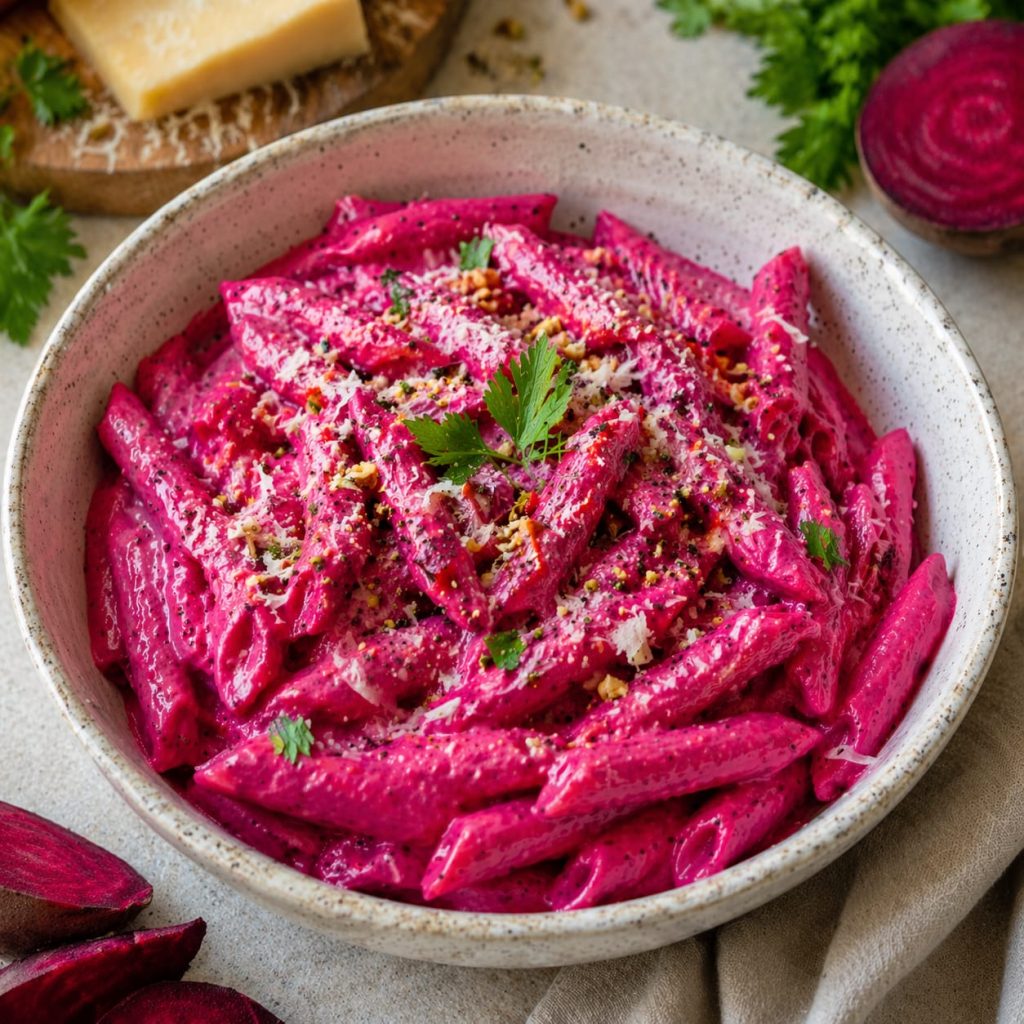
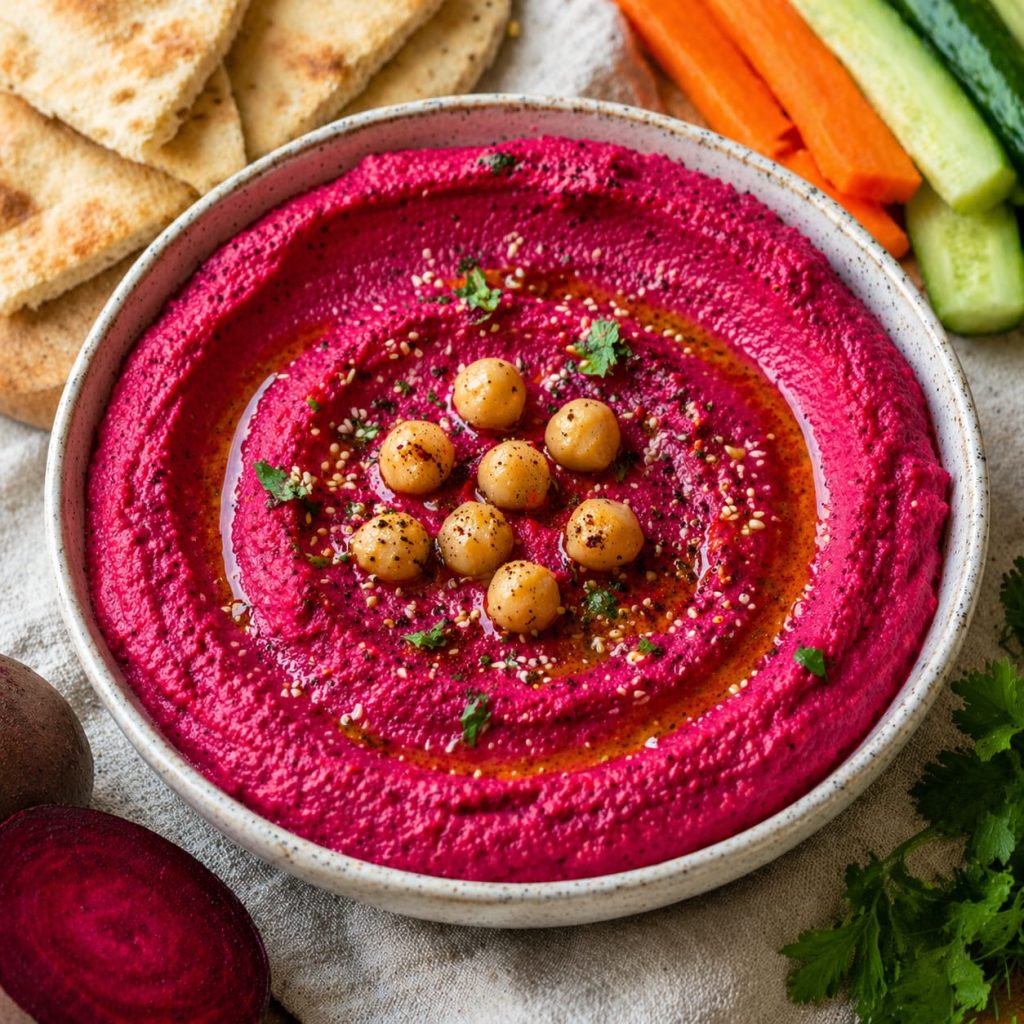
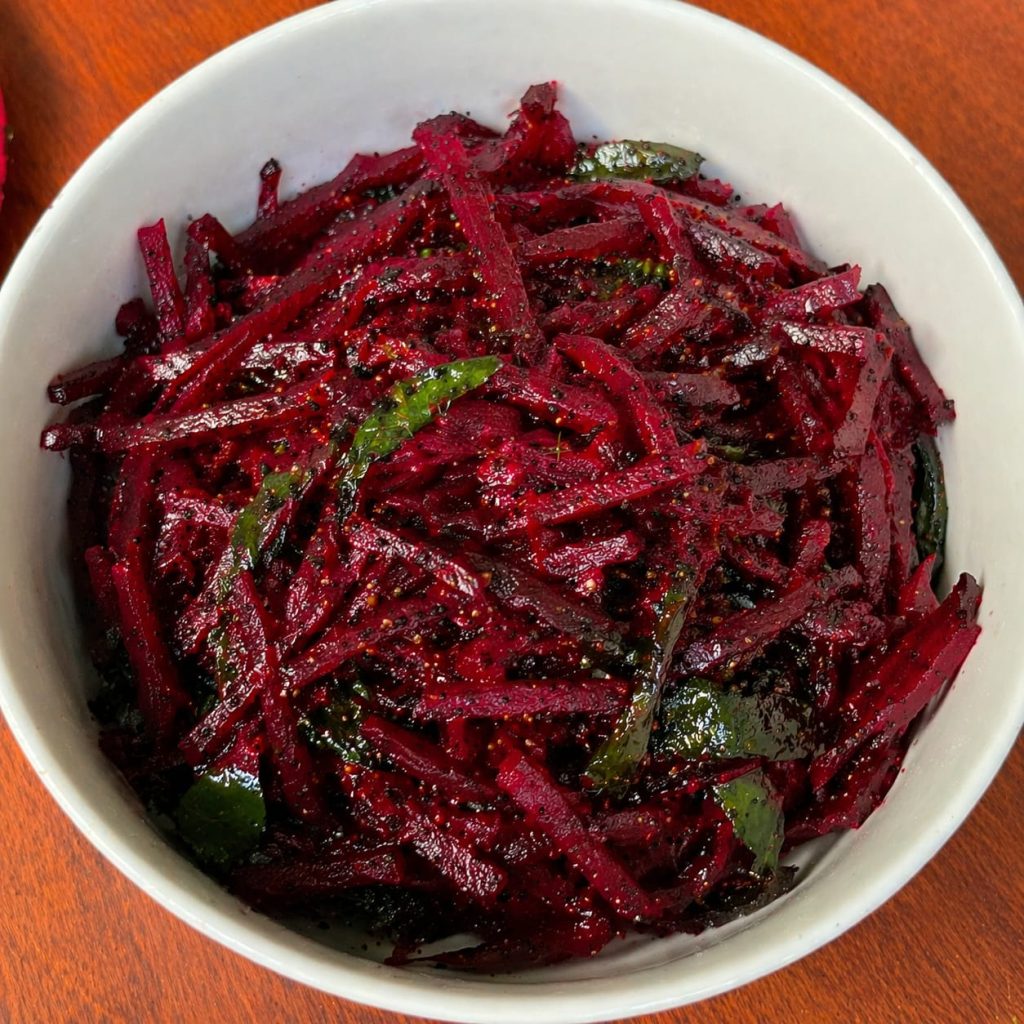
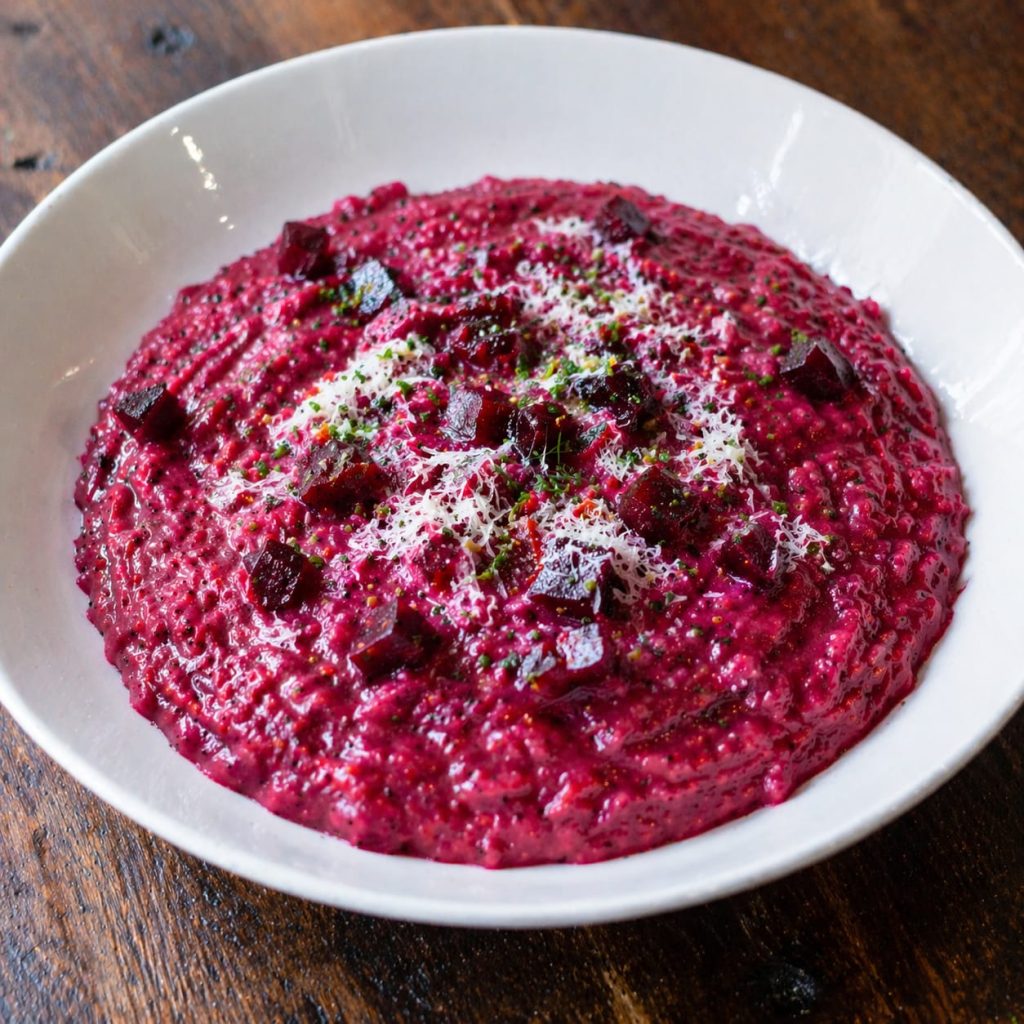
Adding vegetables such as spinach, kale, cucumber, carrots and beetroot increase fiber, iron,folate and important minerals.
Beetroot** is especially popular because it adds natural sweetness and a vibrant color while providing antioxidants that may support heart health and overall wellness.
Vegetable also help improve digestion while keeping calories relatively low.
~ Protein : Yogurt, milk, or plant-based options
Protein sources like Greek yogurt, milk, soy milk, tofu, or protein powder help build muscles and keep you feeling full for longer.
~ Healthy Fats : nuts, seeds, avocado
Healthy fats from almonds, peanut butter, chia seeds, flaxseeds, or avocado support heart health and improve satiety.
~ Liquid : Water or milk
Use water, milk, almond milk, or coconut water to blend everything smoothly and create the perfect texture.
This combination ensures your smoothie becomes a balanced meal or healthy snack.
Common Mistakes to Avoid
ADDING TOO MUCH SUGAR
Too many fruits added sweeteners can increase calorie intake.
LACK OF PROTEIN
Without protein, you may feel hungry quickly.
USING PROCESSED INGREDIENTS
Pre-made smoothies often contain hidden sugars and additives.
REPLACING ALL MEALS
Smoothies should support your diet, not completely replace whole foods.
Simple Smoothie Ideas for Easy Nutrition
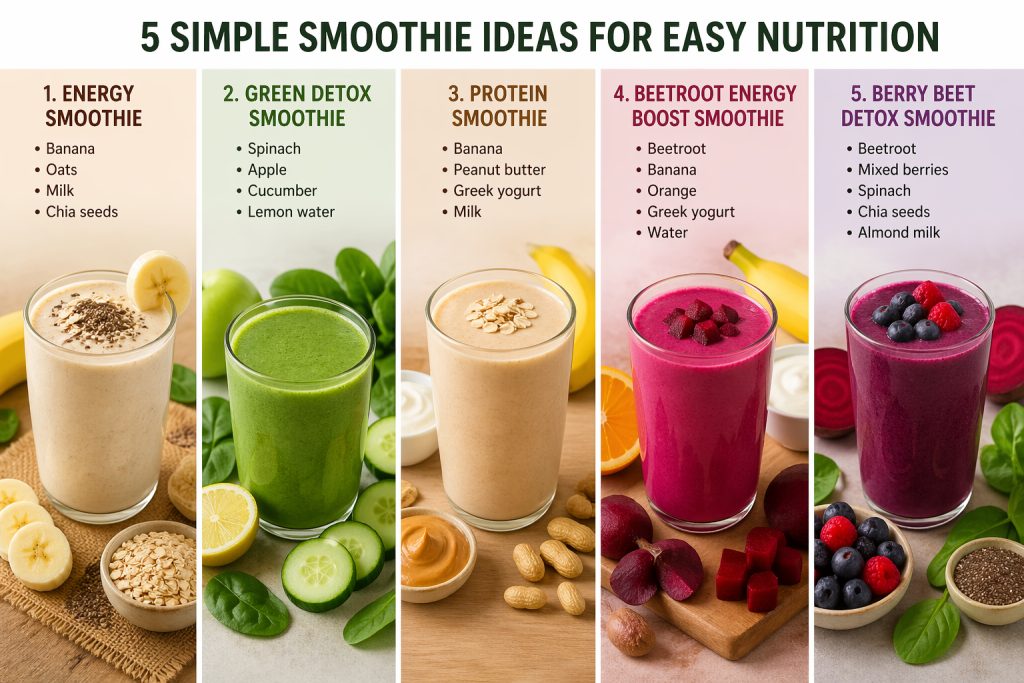
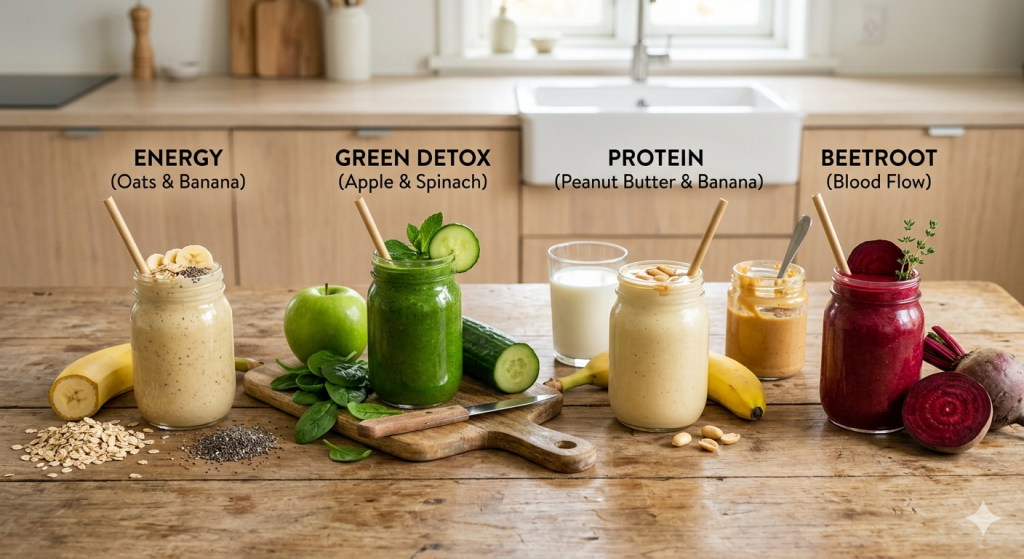
Here are simple smoothies recipes that provide easy nutrition and fit different health goals:
Energy Smoothie
Banana
Oats
Milk
Chia Seeds
This smoothie provides natural carbohydrates and fiber for long-lasting energy, making it ideal for breakfast or before exercise.
Green Detox Smoothie
Spinach
Apple
Cucumber
Lemon Water
This refreshing smoothie is rich in vitamins, hydration, and fiber that may support digestion and overall wellness.
Protein Smoothie
Banana
Peanut Butter
Greek Yogurt
Milk
This smoothie is high in protein and healthy fats, helping you stay full longer and support muscle recovery.
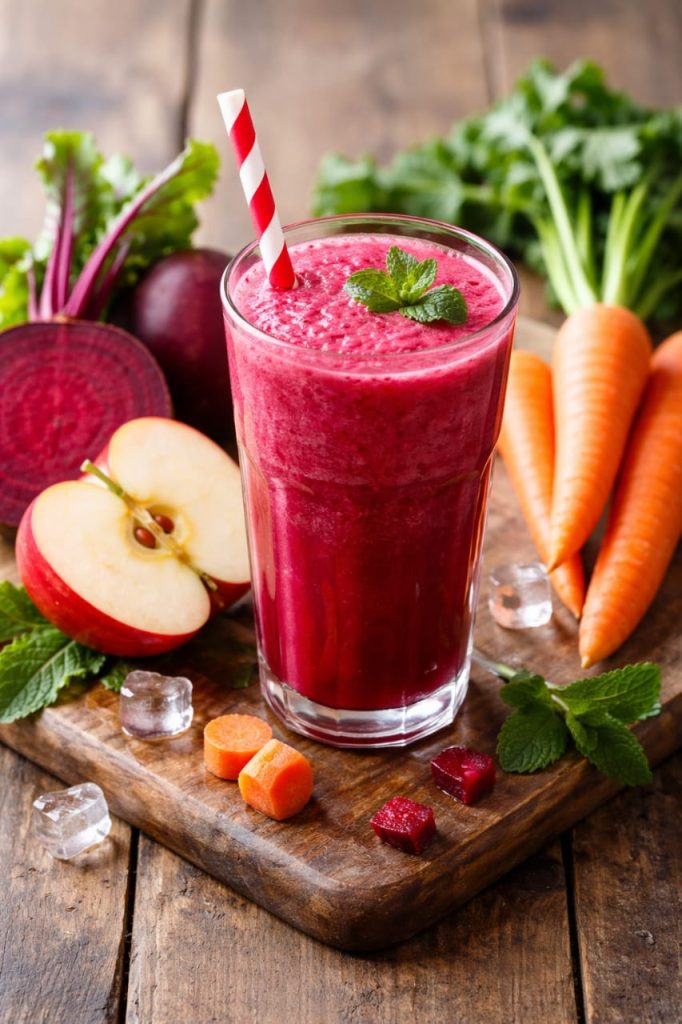
Beetroot Energy Boost Smoothies
Beetroot
Banana
Orange
Greek Yogurt
Water
Beetroot adds antioxidants and natural nitrates that may support blood circulation and energy levels, while banana and orange provide natural sweetness.
Berry Beet Detox Smoothie
Beetroot
Mixed Berries
Spinach
Chia Seeds
Almond Milk
This smoothie combines antioxidants from berries and beetroot with fiber-rich spinach, making it a nutrient-packed option for easy nutrition.
These recipes are simple, effective, and perfect for anyone looking for easy nutrition in daily life.
To explore more fabulous Benefits of Beetroot , please check them out at :
Smoothies have become popular not just because they are trendy, but because they perfectly match the needs of modern life. Today, people are busier than ever, and finding time to cook balanced meals can be difficult. Smoothies solve this problem by offering easy nutrition in a fast and practical way.
Quick to Prepare
One of the biggest advantages of smoothies is how little time they require. In just 3-5 minutes, you can blend a complete meal using simple ingredients like fruits, vegetables, and milk. There is no need for complicated cooking, long preparation, or multiple dishes. This makes smoothies ideal for busy mornings, working professionals, or anyone who wants a healthy option without spending too much time in the kitchen.
Nutrient-Dense
Smoothies pack a large amount of nutrients into one glass. By combining different ingredients, you can consume vitamins, minerals, fiber, and antioxidants all at once. According to the World Health Organization, eating enough fruits and vegetables is essential for preventing chronic diseases. Smoothies make it easier to reach this daily requirement, especially for people who struggle to eat enough whole foods throughout the day.
Easy to Customize
Another reason smoothies fit modern lifestyles is their flexibility. You can easily adjust ingredients based on your goals and preferences.
For Example: ~ Wan to lose weight naturally > add more greens and fiber ~ Need more energy > include oats and bananas ~ Looking for muscle support > add protein like yogurt or nuts
This level of customization allows you to create a drink that suits your exact needs, whether it’s for breakfast, post-workout recovery, or a healthy snack.
Suitable for All ages
Smoothies are suitable for everyone – from children to older adults. They are easy to consume, especially for people who may have difficulty chewing solid foods.
They also help: ~ Children get more fruits and vegetables ~ Adult maintain balanced nutrition ~ Older adults improve nutrient intake without heavy meals
Because of their smooth texture and simple preparation, smoothies are a practical solution for families looking to improve their overall diet.
Fits Busy and On-the-Go Lifestyles
Modern life often involves commuting, long working hours, and limited meal breaks. Smoothies can be taken anywhere – in a bottle, to the office, or even during travel.
This convenience reduces the need for fast food and unhealthy snacks, helping you stay consistent with healthy habits.
Creating a Sustainable Routine
The true power of the smoothie is its sustainability. Unlike restrictive diets that require hours of meal prep, the smoothies fits into the “cracks” of your day. By making this one small shift, you aren’t just eating better for a day; you are building a repeatable habit that supports your long-term health goals without adding more stress to your life.
Conclusion
Smoothies are one of the simplest ways to improve your health and maintain a balanced diet. They provide easy nutrition, helping you consume essential nutrients without complicated meal preparation.
Supported by trusted organizations like the World Health Organization and Johns Hopkins Medicine, smoothies can help you:
Meet daily nutritional needs
Improve digestion
Boost energy
Support weight management
The key is to focus on whole ingredients, balance your nutrients, and avoid excess sugar.
When used correctly, smoothies are not just a trend – they are a powerful tool for building a healthier lifestyle.
There is something profoundly humbling about the human heart. It works without rest, without recognition, and without negotiation. From your first breath to your last, it continues its rhythm, quietly sustaining every cell in your body.
Yet despite its importance, it is often taken for granted until something begins to feel wrong. In today’s fast-moving world, understanding and applying practical heart health tips can make a significant difference in long-term well-being, especially as modern lifestyles continue to challenge cardiovascular health in subtle but dangerous ways.
Consider the story of two individuals who begin their adult lives in similar circumstances. Both are ambitious, and both are surrounded by the conveniences of modern living. One gradually leans into mindful habits, guided by reliable heart health tips, choosing foods carefully, staying active, and making time for rest.
The other, without much thought, slips into patterns of convenience – fast food, long hour sitting, late nights, and smoking to cope with stress.
At first, the differences between them are invisible, but over time, the impact of following or ignoring essential heart health tips becomes increasingly clear.
10 Heart Health Tips to Keep Heart Healthy
Heart Health Tips # 1
The first and perhaps most influential habit in protecting the heart is the way a person eats.
Food is not merely a source of pleasure, satiety or satisfaction; it is a fundamental determinant of how the body functions. Diets that emphasize fresh vegetables, fruits, whole grain, nuts and lean proteins provide the body with essential nutrients that support cardiovascular health.
These foods are rich in antioxidants, fiber, and healthy fats that help maintain clear arteries and stable cholesterol levels.
When someone consistently nourished their body with these foods, the heart operates under optimal conditions. Blood flows smoothly, inflammation remains low, and the risk of developing chronic diseases decreases significantly.
Over time, this creates a strong foundation for long-term health. Meals become more than just a routine; they become a form of protection.
In contrast, the second individual who ignoring the heart health tips begins to rely heavily on processed foods. Fast meals become the norm, sugary drinks replace water, and late-night snacks become habit. These choices introduce excessive amounts of unhealthy fats, salt, and sugar into the body.
Gradually, these substances begin to affect the bloodstream, leading to plaque buildup in arteries and increasing the risk of high cholesterol. The damage is slow and often silent, but it is persistent.
Heart Health Tips # 2
Physical activities(Exercises), are another cornerstone of heart health that distinguishes these two paths. The individual who prioritizes movement finds ways to stay active despite a busy schedule.
It may be a morning brisk walk, an evening jog, swimming, body weight workouts, yoga, cycling, or even choosing stairs over elevators.
These actions may seem small, but they collectively strengthen the heartmuscle, improve blood circulation, and help regulate body weight, especially for those looking for weight loss and nice body tone.
Exercise does more than just keep the body fit; it enhances the efficiency of the cardiovascular system. The heart becomes better at pumping blood, oxygen delivery improves, and the body becomes more resilient to stress. Over time, this leads to increased stamina and a reduced risk of heart disease.
Meanwhile, the other individual becomes increasingly sedentary. Long hours are spent sitting at desk, followed by evenings in front of screens, be a potato couch. Metabolism slows down, weight begins to increase, and the heart does not receive the stimulation it needs to stay strong. This lifestyle quietly increases the risk of hypertension and other cardiovascular issues.
To explore more on weight loss exercises, please visit here:
Stress, though less visible, plays a powerful role in shaping heart health. The individual who understands the importance of mental well-being makes time to unwind. Whether through meditation, hobbies, or simply stepping away from work, they create moments of calm that allow the body to reset. These practices help manage stress hormones and prevent prolonged strain on the heart.
On the other hand, unmanaged stress becomes a constant companion for the second individual. Deadlines, responsibilities, and pressures accumulate without relief. The body remains in a heightened state of alert, causing blood pressure to rise and heart rate to remain elevated. Over time, this constant strain contributes to the wear and tear of the cardiovascular system.
Beyond these immediate effects, chronic stress also influences behavior in ways that further compromise cardiovascular health. Individuals under constant pressure are more likely to adopt coping mechanisms such as overeating, smoking, or relying on alcohol, all of which compound the strain on the heart.
Stress can also disrupt sleep patterns and reduce motivation for physical activity, creating a cycle that is difficult to break. From a physiological perspective, prolonged exposure to stress hormones like cortisol can lead to inflammation, arterial damage, and imbalances in blood sugar levels.
Little by little, these internal changes increase vulnerability to serious conditions, for example, atherosclerosis and hypertension. Recognizing these patterns and actively managing stress through healthy outlets becomes an essential part of long-term prevention, reinforcing why practical heart health tips often emphasize mental well-being as much as physical care.
Heart Health Tips # 4
Sleep is another critical factor that often separates healthy habits from harmful ones.
The individual who values rest ensures they get sufficient, quality sleep each night (at least around 6 – 8 hours). During sleep, the body undergoes essential repair and recovery processes. including the regulation of blood pressure, reduce stress and hormone levels. This period of rest is vital for maintaining a healthy heart.
On the flipside, irregular sleep patterns and insufficient rest begin to affect the second individual. Late nights and early morning become routine, leaving little time for proper recovery.
This lack of sleep disrupts the body’s natural balance, increasing the risk of obesity, diabetes, and heart disease. Over time, the cumulative effect of poor sleep becomes difficult to ignore.
Beyond basic recovery, consistent and restorative sleep plays a deeper role in stabilizing the entire cardiovascular system. During uninterrupted sleep, the body naturally lowers heart rate and blood pressure, giving the heart a crucial period of reduced workload that helps prevent long-term strain.
This nightly reset also improves the function of blood vessels, allowing them to remain flexible and responsive, which is essential for maintaining smooth blood circulation. In addition, quality sleep supports balanced hormoneproduction, particularly those that regulate stress and appetite, reducing the likelihood of overheating and weight gain. It also enhances insulin sensitivity, lowering the risk of metabolic conditions that indirectly burden the heart.
Over time, individuals who maintain healthy sleep patterns often experience more consistent energy levels, better emotional regulation, and improved physical resilience, all of which contribute to a stronger and more efficient cardiovascular system.
Heart Health Tips # 5
Regular health monitoring (Medical Body Check-Ups) is another practice that contributes significantly to heart safety.
The first individual makes it a point to check their blood pressure, cholesterol levels, and overall health regularly (at least once a year). These check-ups provide valuable insights and allow for early detection of potential issues. Preventive care becomes apowerful tooinmaintaininglong–term health.
In contrast, the second individual avoids medical check–ups, often dismissing them as unnecessary. Without monitoring, conditions such as high blood pressure and elevated cholesterol go unnoticed. These silent conditions continue to progress, increasing the likelihood of serious complications in the future.
In addition, to routine measurements, consistent monitoring also helps individuals build a clearer understanding of how their body responds to lifestyle choices, medications, and daily habits.
Subtle changes in readings over weeks or months can reveal patterns that might otherwise go unnoticed, allowing for more precise adjustments before conditions escalate. This proactive awareness encourages better decision-making and reinforces accountability in maintaining personal health.
By following structured heart health tips, individuals can use this data to fine-tune their routines, ensuring that their efforts are not only consistent but also effective in supporting long–term cardiovascular stability.
Heart Health Tips # 6
Now, turning to habits that actively harm the heart, smoking stands out as one of the most destructive.
The chemicals in tobacco smoke damage the lining of blood vessels, reduce oxygen supply, and increase the likelihood of clot formation. For the individual who smokes, each cigarette contributes to a gradual decline in cardiovascular health.
The effects are cumulative, making smoking one of the leading causes of preventable heart disease.
Smoking does not only damage the heart in isolation; it sets off a chain reaction that affects nearly every system in the body, increasing the risk of serious illnesses such as lung cancer, chronic obstructive pulmonary disease, and stroke.
The toxins inhaled through cigarette smoke weaken the immune system, making the body less capable of fighting infections and repairing damaged tissues.
Over time, this persistent exposure leads to chronic inflammation and cellular damage, accelerating the agingprocess and reducing overall life expectancy.
What makes smoking particularly dangerous is its cumulative nature – each exposure compounds the harm, silently increasing vulnerability to multiple life-threatening conditions while significantly diminishing quality of life.
Heart Health Tips # 7
Alcohol consumption, when excessive, presents another significant risk. While moderate drinking may be acceptable for some, overconsumption leads to high blood pressure, irregular heart rhythms, and weakened heart muscles.
The second individual, who often turns to alcohol as a way to cope with stress, begins to experience these effects over time. What starts as an occasional habit can quickly escalate into a pattern that harms the heart.
Beyond these immediate effects, excessive alcohol consumption also increases the risk of developing serious long-term conditions such as cardiomyopathy and liver cirrhosis, both of which further compromise overall health and place additional strain on the cardiovascular system.
Ignoring essential heart health tips, individuals who rely on alcohol as a coping mechanism often find themselves trapped in a cycle where stress leads to drinking, and drinking worsens physical and mental health.
Over time, this pattern disrupts metabolic balance, contributes to weight gain, and elevates blood pressure to dangerous levels. What makes this particularly concerning is how gradually it develops – seemingly harmless habits evolve into chronic dependency, reinforcing why consistent adherence to heart health tips is crucial in preventing alcohol-related damage and preserving long-term heart function.
Heart Health Tips # 8
Unhealthy eating habits, particularly those high in trans fats and refined sugars, further exacerbate the problem. These foods contribute to obesity and metabolic disorder, creating additional strain on the heart.
The convenience of such foods often masks their long-term consequences, making them a silent threat.
Over time, consistently ignoring basic heart health tips around nutrition leads to the accumulation of harmful substances in the bloodstream and increasing bad cholesterol levels while reducing the protective good cholesterol.
Common examples of foods that damage heart health include deep-fried items such as fried chicken and French fries, which are often cooked in reused oils rich in trans fat.
Processed snacks like packaged chips, biscuits, and pastries contain hidden sugars and hydrogenated oils that accelerate plaque buildup in arteries. Sugary beverages, including sodas and sweetened coffee drinks, contribute to insulin resistance and weight gain, while processed meats such as sausages, bacon, and deli meats are high in sodium and preservatives that elevate blood pressure.
Fast foods like burgers and instantnoodles combine multiple risk factors which high in salt, unhealthy fats, and low nutritional value-making them particularly harmful when consumed regularly.
These everyday choices may seem harmless in isolation, but repeatedly neglecting nutritional heart health tips allows these foods to gradually damage the cardiovascular system, reinforcing the importance of mindful eating for long-term heart protection.
Heart Health Tips # 9
A lack of physicalactivity, as previously discussed, is not merely a passive issue. It actively contributes to the deterioration of cardiovascular health. Without regular movement, the body becomes less efficient, and the risk of chronic diseases increases.
When the body remains inactive for long periods, blood circulation slows down, allowing fats and sugars to accumulate more easily in the bloodstream.
Muscles, including the heart, gradually lose strength and endurance, making everyday activities feel more exhausting over time.
Simple movements that once felt effortless such as climbing stairs, carrying groceries, or walking moderate distances can become physically demanding. In contrast, incorporating consistent activities like brisk walking, cycling, swimming or even light jogging helps maintain healthy blood flow and keeps the heart engaged.
Even low-impact routines such as stretching, yoga or household chores like gardening and cleaning can contribute to maintaining baseline cardiovascular function.
Prolonged inactivity, such as sitting for hours while working, watching television, or using mobile devices, compounds the issue by reducing calorie expenditure and impairing metabolic processes. Over time, this imbalance not only weakens the cardiovascular system but also increases susceptibility to conditions like type 2 diabetes and hypertension, both of which further strain the heart and overall health.
You can explore more movements which benefit to heart health through:
Finally, ignoring warning signs and delaying medical attention can have devastating consequences. Symptoms such as chest pain, shortness of breath, or unusual fatigue are often dismissed until they become severe. For the second individual, this delay proves costly, as early intervention could have prevented more serious outcomes.
What makes this situation particularly dangerous is that many of these warning signs do not always appear dramatic at first. A mild tightness in the chest may be mistaken for indigestion, occasional breathlessness may be blamed on fatigue, and persistent tiredness can easily be attributed to a busy lifestyle.
This misinterpretation often leads individuals to normalize symptoms that actually signal underlying cardiovascular distress. As time passes, the condition may silently worsen, potentially leading to serious events such as Heart Attack or heart failure, where the heart can no longer function effectively.
Delayed medical attention reduces the window for effective treatment, limiting options that could have minimized damage or even reversed early-stage issues. In many cases, what could have been managed with lifestyle adjustments and medication evolves into a life-threatening emergency, emphasizing the critical importance of timely evaluation and professional care.
Conclusion
With the passage of time, the contrast between these two lives becomes increasingly evident. The individual who consistently followed reliable heart health tips experiences greater energy, resilience, and long-term stability. His heart continues to function efficiently, supported by years of conscious decisions. Meanwhile, the other individual begins to face the consequences of his choices, dealing with health complications that could have been avoided.
The story of heart health is not about perfection or drastic changes. It is about the accumulation of small, consistent actions that either support or harm the body. Every meal, every step, every moment of rest contributes to this ongoing narrative.
Protecting your heart is ultimately an act of self-respect. It is a commitment to valuing your well-being and making choices that align with a healthier future. While the modern world presents many challenges, it also offers the knowledge and resources needed to make better decisions.
For scientifically backed information and further guidance, you can refer to trusted sources such as American Heart Association and the World Health Organization. These organizations provide comprehensive insights into cardiovascular health and prevention strategies.
In the end, your heart reflects the life you live. It responds to your habits, adapts to your choices, and carries the imprint of your daily routines. By choosing wisely and consistently, you can ensure that it continues to serve you well for years to come.
Q & A
1. What are the best ways to keep your heart healthy?
The best ways to keep your heart healthy include maintaining a balanced diet rich in whole foods, staying physically active, managing stress effectively, getting enough quality sleep, and attending regular health check-ups. These habits support overall cardiovascular function and reduce long-term risk. (You can always explore the 10 Heart Health Tips above).
2. Why is diet important for heart health?
Diet plays a crucial role because the nutrients you consume directly affect cholesterol levels, blood pressure, and inflammation. Eating fresh fruits, vegetables, whole grains, and healthy fats helps keep arteries clear and supports efficient heart function. (For more information about Diet, you can refer to HeartHealth Tips # 1).
3. How does physical activity improve heart health?
Regular physical activity strengthens the heart muscle, improves blood circulation, and helps maintain a healthy weight. It also reduces the risk of conditions such as high blood pressure and diabetes, which are closely linked to heart disease. (For more information about physical activity, you can refer to Heart Health Tips # 2).
4. Can stress affect your heart?
Yes, chronic stress can significantly impact heart health by increasing blood pressure and heart rate. Over time, unmanaged stress may contribute to inflammation and raise the risk of serious cardiovascular conditions. (For more information about Stress, you can refer to Heart Health Tips # 3 above).
5. How does sleep impact heart health?
Quality sleep allows the body to repair itself and regulate important functions such as blood pressure and hormone levels. Poor sleep patterns can increase the risk of heart disease, obesity, and metabolic disorders. (For more information about Sleep, you can refertoHeart Health Tips # 4).
6. Why is smoking harmful to the heart?
Smoking damages blood vessels, reduces oxygen supply, and increases the risk of blood clots. These effects significantly raise the likelihood of heart disease, making smoking one of the leading preventable causes of cardiovascular problems. (For more informationabout Smoking, you can refer toHeart Health Tips # 6).
7. Is alcohol bad for your heart?
Excessive alcohol consumption can lead to high blood pressure, irregular heart rhythms, and weakened heart muscles. While moderate intake may be acceptable for some, overconsumption poses serious risks to heart health. (For more information about Alcohol, you can refer to Heart Health Tips # 7).
8. What foods should be avoided for better heart health?
Foods high in trans fats, refined sugars, and excessive sodium should be limited. Examples include fried foods, processed snacks, sugary drinks, and processed meats, all of which can contribute to heart disease little by little. (For more information about Foods, you can read Heart Health Tips # 8).
9. How do you know if your heart is unhealthy?
Warning signs may include chest discomfort, shortness of breath, fatigue, dizziness, or irregular heartbeat. These symptoms should not be ignored, as early detection can prevent more serious complications. (For more information about Warning signs prevention, you can read Heart Health Tips # 10).
10. Why are regular health check-ups important for heart health?
Regular check-ups help monitor key indicators such as blood pressure, cholesterol, and blood sugar levels. Early detection of abnormalities allows for timely intervention and reduces the risk of severe heart conditions. (For more information about Regular Check-Ups, you can read Heart Health Tips # 5).
If you found this article helpful, please consider liking and sharing it so others can benefit from these insights as well. Small actions can make a meaningful difference, and spreading awareness about heart health can help more people make informed choices for a better future. Feel free to share this with friends, family, or anyone who may find it valuable, and continue exploring ways to improve your overall well-being. Thank you for reading.
If you’ve ever tried dieting, skipping meals, or doing extreme workouts, you probably already know the truth about how hard it is to lose weight naturally.
It works…but only for a short time.
Most people regain the weight because the method is not sustainable.
That’s hwy the smarter approach is to loss weight naturally – by building simple daily habits that fit into your real life, not a strict routine you can’t maintain.
In this guide, you’ll learn 3 powerful ways to lose weight naturally with daily fitness, plus a simple smoothies habit that makes weight loss easier without feeling like “dieting.”
This is not about perfection. It;s about consistency.
3 Way to Lose Weight Naturally
1. Move More Everyday (Even If You Are Busy)
One of the biggest myths about weight loss is that you need intense workout or gym training.
The truth is : you body responds more to daily movement than occasional extreme exercise.
To lose weight naturally, you need to increase your daily activity level in a realistic way. In act, the World Health Organization (WHO) highlights that regular physical activity plays a key role in maintaining a healthy weight and overall well-being.
What daily movement really means
It doesn’t mean spending 2 hours in the gym.
It means building movement naturally into your everyday life so your body stays active throughout the day – not just during “EXERCISE TIME”.
It means :
Walking More – Choose to walk whenever possible, even short distances. A 5-10 minute walk after meals can help digestion and gradually increase your daily calorie burn without feeling tiring.
Siting Less – Long hours of sitting slow down your metabolism. Try to stand up, stretch, or walk around every 30-60 minutes, especially if you work at a desk.
Moving Your Body Regularly – You don’t need a full workout session. Small movements like stretching, light chores, or even pacing while on the phone keep your body engaged and active.
Making Small Active Choices Daily – Simple decisions like taking the stairs, carrying groceries, or walking instead of driving short distances can make a big difference over time.
Even small actions burn calories consistently. When these movements are repeated daily, they quietly build up into meaningful results – helping you lose weight naturally without stress or extreme effort.
Simple Rel-Life Examples
You can start with things like:
* Walking 20-30 minutes after dinner * Taking stairs instead of elevators * Parking further away on purpose * Cleaning your house more actively * Stretching while watching TV * Doing 5-10 minutes movement breaks at work
Real Experience Example
One office worker shared that she used to sit almost 9 hours daily. She felt tired, bloated, and constantly low in energy.
Instead of starting a strict workout plan, she only changed one habit : >>> She started walking 20 minutes every evening.
After 3 weeks: * She felt lighter * Less bloating after meals * Better sleep * Small but steady weight loss ( around 1-2 kg )
After 2 months, she naturally started enjoying movement and added light jogging.
The KEY POINT ? She didn’t force a ” Fitness Lifestyle ” – she simply moved more.
That’s how you lose weight naturally without pressure.
2. Eat Real food (Not Diet Food)
If movement is one side of weight loss, food is the other side.
But here’s where many people struggle – they think ‘diet food’ means eating less and suffering. That approach never lasts. To lose weight naturally, you don’t eat less– you eat SMARTER.
What ” REAL FOOD” means
Focusing on real food means choosing ingredients that are as close to their natural form as possible, without heavy processing or added sugar.
Food like eggs, chicken, fish, and tofu provide protein to keep you full longer.
Rice, oats, and sweet potatoes give steady energy without causing sudden hunger.
Vegetables and fruits add fiber, which supports digestion and reduces cravings, while nuts, seeds, and avocado provide healthy fats that help control appetite.
When you eat this way consistently, your body feels satisfied and balanced, making it much easier to lose weight naturally without strict dieting or constant hunger.
Simple daily eating example
Breakfast Oats + banana + boiled egg
Lunch Brown rice + grilled chicken + vegetables
Dinner Soup or stir-fried vegetables + tofu/fish
Snack Apple or nuts
Real Experience Example
A man trying to lose weight used to drink sweet coffee every morning and eat fried food for lunch almost daily .
Instead of dieting, he made one simple change : >>> he replaced one meal per day with Homemade Food.
After 1 month: * Less stomach bloating * More stable energy * Reduced sugar cravings * Slow but steady weight loss
He said the biggest surprise was:
” I didn’t feel like I was on a diet. “
That is exactly how you lose weight naturally without feeling restricted.
2.5 The Simple Smoothie Habit ( The Game Changer)
Now here’s something many people underestimate – SMOOTHIES
A simple homemade smoothie can completely change your daily eating habits when used correctly.
Why Smoothies help weight loss naturally
Smoothies can support lose weight naturally because they make healthy eating simpler, more consistent, and easier to maintain in daily life.
First, smoothies help reduce unhealthy snacking. When you blend whole fruits, vegetables, and protein sources, you get a nutrient-dense drink that keeps cravings under control. This reduces the temptation to reach for high-sugar or processed snacks between meals.
Second, they improve fiber intake. Ingredients like oats, chia seeds, spinach, apple, and berries are rich in fiber, which slows digestion and helps stabilize blood sugar levels. This prevents sudden hunger spikes and energy crashes.
Option 3 – Protein smoothies >Banana >Peanut butter >Milk >Yogurt
Option 4 – Beetroot smoothies (Blood flow & Stamina boost) >Beetroot (cooked or raw, small portion) >Banana >Apple or berries >Water or milk
Function: Beetroot is rich in natural nitrates that help improve blood circulation and oxygen flow in the body. This can support better stamina during daily activity and workout, making it easier to stay active and lose weight naturally. It also supports heart health and gives a natural energy boost without caffeine.
Real experience example
A working mother struggled with breakfast every morning. She usually skipped it or grabbed biscuits and coffee.
She then changed one habit: >>> She started drinking a homemade smoothie every morning.
After 2-3 weeks: – Less morning hunger – No more sugary snack cravings – Better digestion – More stable energy during work
After 1 month: – She naturally reduced weight without trying hard – Felt more in control of her eating habits
Her comment was simple: “ I didn’t feel like I was dieting – I just changed my breakfast!”
That’s the power of a small habit.
3. Build a Simple Daily Fitness Routine (No Stress Needed)
Many people think fitness must be intense to work.
But the truth is: >>> Consistency beats intensity.
To lose weight naturally, your routine should be simple, repeatable, and realistic for daily life. The goal is not to exhaust yourself, but to build a habit your body can sustain long-term.
Simple 30 Minute Routine
You can easily do this at home:
Warm-up (5-10 minutes) Stretching, arm circles, light walking to prepare your body.
Bodyweight training (10-15 minutes) Squats, push-ups (modify if needed), lunges, plank to build strength.
Light Cardio (10-15 minutes) Brisk walking, dancing, or light jogging to improve heart health and burn calories.
Why This Works (Backed by Experts)
This simple routine works because regular movement helps your body burn calories and maintain a healthy weight over time. According to the Centers for Disease Control and Prevention, physical activity plays a key role in weight control and overall health, helping improve energy levels, reduce disease risk, and support long-term weight management.
A beginner who never exercised started with just 10 minutes per day:
Week 1 : Felt very tired after 10 minutes
Week 3 : Could do 20 minutes comfortably
Week 6 : clothes became looser, energy improved
He didn’t change everything. He just showed up daily.
That’s how real natural weight loss happens in real life.
Final Truth About Losing Weight Naturally
If you take only one thing from this article, remember this :
You don’t need extreme diets. You don’t need punishment workouts. You don’t need to be perfect.
To lose weight naturally, you only need :
Daily movement
Balanced real food
Simple consistent fitness
One supportive habit (like smoothies)
Final Motivation
True and lasting weight loss doesn’t come from doing everything perfectly for a short period of time. It comes from SMALL, SIMPLE ACTIONS repeated every single day until they become part of your lifestyle. The people who succeed are not ones who try the hardest for one week. They are the ones who do small things consistently for months.
You don’t need extreme workout or strict dieting rules. Even 20 minute walk daily, choosing one healthy balanced meal, and drinking a nutritious smoothie can slowly reshape your body and health.
At first, the changes may feel small, but over time they build powerful result. What really matters is not intensity, but consistency. Real transformation happens quietly, step by step, through habits you can maintain.
Hi, I am the author, Sean, I love cooking and always desire to explore delicious culinary recipes since I know cooking for years. Today I wish to share with you the healthy and easy to prepare recipes which is 10 Delicious Beetroot Recipes here.
Before I dive into the 10 delicious beetroot recipes, allow me to have brief introduction on Beetroot to you……
Beetroot has quietly become one of the most popular ingredients in healthy cooking-and for good reason. It is vibrant, naturally sweet, and packed with nutrients that support overall wellness.
In this guide to 10 Delicious Beetroot Recipes, you’ll discover just how easy it is to turn this hamble root vegetable into something exciting and flavorful.
That is exactly where this guide helps. These 10 Delicious Beetroot Recipes are designed to be simple, practical, and suitable for everyday meals. Whether you are cooking yourself, your family, or even experimenting with meal prep, beetroot can easily fit into your routine.
Beyond taste, beetroot is known for its high antioxidant content and its ability to support heart health and energy levels. When cooked correctly, it becomes soft, slightly sweet, and incredibly versatile.
Yet many people still don’t use beetroot often because they are unsure how to prepare it properly. With the right techniques and recipe ideas, beetroot can become a regular part of your meals-whether in salads, smoothies, main dishes, or even desserts.
Let we dive into today’s 10 Delicious Beetroot Recipes now !
10 Delicious Beetroot Recipes You Must Try!
1. Classic Roasted Beetroot Salad
One of the easiest ways to start exploring 10 delicious beetroot recipes is with a roasted salad.
Recipe Overview
Prep Time: 10 minutes
Cook Time: 35 minutes
Total Time: 45 minutes
Servings: 2 pax
Calories: +- 220kcal
Ingredients
2 medium beetroots (300 – 350g), cubed
1 & 1/2 tablespoon olive oil
1/4 teaspoon salt
1/4 teaspoon black pepper
2 cups arugula
1/4 cup feta cheese
2 tablespoons walnuts
1 – 2 tablespoons balsamic glaze
Instructions
Peel and cube fresh beetroot
Preheat oven to 200 degree
Toss with olive oil, salt and pepper
Roast for 30 – 35 minutes
Combine with arugula, feta cheese, and walnuts
Drizzle with balsamic glaze
Why it Works?
Roasting enhances the natural sugars in beetroot, making it sweeter and reduces earthiness.
2. Beetroot Smoothie for Daily Energy
Among the most popular 10 delicious beetroot recipes, this smoothiestands out as one of the most searched and easiest & quickest options to prepare.
Recipe Overview
Prep Time: 5 minutes
Cook Time: None
Total Time: 5 Minutes
Servings: 1 pax
Calories: +-180kcal
Ingredients
1 small beetroot (cooked or raw grated)
1 banana
1/2 cup mixed berries
1 cup Yogurt or almond milk
1 teaspoon Honey
Instructions
Add all ingredients to blender
Blend until smooth
Serve immediately
Why It Works?
This smoothies drink supports blood circulation, provides natural energy and nutrients quickly.
To explore more fabulous smoothie recipes, please check these out:
To get the best results from 10 delicious beetroot recipes, keep these practical tips in mind:
Roast for sweetness
Steam to retain nutrients
Pair with acidic ingredients like lemon
Avoid overcooking
These small adjustments can significantly improve taste and texture of beetroot.
Frequently Asked Questions
What are the best ways to cook beetroot?
Roasting and steaming are ideal for maintaining flavor and nutrients in 10 delicious beetroot recipes.
Can beetroot be eaten raw?
Yes, raw beetroot works well in salads and smoothies.
Are beetroot recipes good for weight loss?
Yes, most 10 delicious beetroot recipes are low in calories and high in fiber.
How often should you eat beetroot?
2 – 3 times per week is a good balance for most diets.
Conclusion
These 10 delicious beetroot recipes prove that beetroot is far more versatile than most people think. From quick smoothies to rich desserts, it can be adapted to suit any meal of the day.
If you are looking for simple ways to eat healthier without sacrificing flavor, incorporating these recipes into your routine is a smart move. Once you get comfortable cooking beetroot, you’ll likely find yourself using it more often than expected.
For a deeper understanding of how beetroot supports overall health, including heart health and improved energy levels, you can also refer to trusted medical sources like WebMD, which highlights the nutritional benefits and practical uses of beetroot in everyday diets.
Beetroot also known as Beta Vulgaris. It is a root vegetable known for its deep red-purple, high nutritional value and earthy flavor. Beetroot, Chard and Spinach belong to the same family. It is widely cultivated across Americas, Europe and Asia. The benefits of beetroot are highly promoted due to its rich nutritional content.
Appearance of beetroot looks round with dark red flesh. Its taste slightly sweet with earthy undertone and both the root together the leafy greens are edible. We are going to share in depth the “7 Surprising Benefits of Beetroot ” later in this chapter.
Beetroot is considered a super nutrient-dense food as its rich in:
Folate (Vitamin B9) which is good for cell growth and metabolism.
Dietary fiber which supports digestion and preventing constipations
Nitrates help to improve blood circulation and lower blood pressure.
Antioxidants (betalains and phenolic) may prevent cellular damage, increase immune function, slow aging process and reduce risk of chronic diseases. (National Library of Medicine, NLM)
7 Surprising Benefits of Beetroot
1. Improves Heart Health
Beetroot is rich in natural nitrates, which convert into nitric oxide in the body.
This helps relax blood vessels, improving circulation, and reducing the risk of heart disease.
This makes it beneficial for people with hypertension.
3. Boosts Exercise Performance
Beetroot enhances oxygen use in muscles, improving stamina.
Athletes often use it to increase endurance and delay fatigue.
4. Supports Brain Function
Improves blood flow from nitrates also benefits the brain.
It may help enhance cognitive function and reduce age-related decline.
5. Rich in Antioxidants
Beetroot contains betalains, powerful antioxidants that can reduce inflammation, fight oxidative stress and support overall cellular health.
6. Supports Liver Detoxification
Betalains help the liver process toxins more efficiently and support natural detox pathways.
7. Aids Digestion and Gut Health
Beetroot is high in dietary fiber, which promotes healthy digestion, prevents constipation and supports gut bacteria balance.
Tips: Regular consumption of beetroot – especially as juice or smoothies can provide compounding health benefits over time, particularly for heart health and energy levels. (Healthline)
Downsides of Consuming Beetroot
Beetroot contains natural sugar, it may raise blood glucose and impacting blood sugar level, and it also contains high oxalates which may contribute to kidneystone formation in susceptible individuals.
Moreover, if anyone eating large amounts of beetroot may cause Gastrointestinal issues such as bloating, gas or stomach upset.
Many people grumble about they encountered their urine in red color after consumption. It is fine, as which is harmless to our body due to the pigment of beetroot. The strong pigment can stain hands, clothes and surfaces.
Because of beetroot’s nitrate content, excessive intake can over-lower blood pressure (Hypotension)and may cause dizziness, fatigue, or fainting. Higher risk if you already have low BP or take BP medication.
While beetroot supports detox, excessive intake especially concentrated juice it may stress metabolic pathways and lead to liver overload.
Bottom Line:
Moderate intake is safe and beneficial, but potentially harmful to body if excessive intake.
Practical Limit:
1 small beetroot per day OR 3 – 4 times per week for juice.
People Who Benefit Most from Regular Beetroot Intake
Individuals with High Blood Pressure need to consume regularly as beetroot’s nitrates help to lowering blood pressure and especially beneficial for people with Hypertension.
Regular intake can support vascular health and reduce cardiovascular risk.
Athletes and Physically Active Individuals consume beetroot regularly will improve oxygen efficiency and endurance. It helps delay fatigue during training, workouts or exercises.
Beetroot commonly used as a natural performance enhancer.
Older Adults are recommended to consume regularly as the benefits of beetroot may help reducing risk of age-related cognitive decline, maintaining mental sharpness and enhance blood flow to the brain.
People with Mild Iron Deficiency can benefit from including beetroot in their regular diet, as it contains iron and supports the production of red blood cells.
While it is not a standalone treatment, beetroot can contribute to improving iron levels when combined with a balanced diet rich in other iron sources.
This makes it particularly helpful for individuals at risk of iron deficiency anemia, especially when consumed alongside vitamin C-rich foods that enhance iron absorption.
Individuals seeking Detoxification and Improved Liver Health may benefit from incorporating beetroot into their diet.
Beetroot contains betalains, natural compounds known to support liver function and assist the body’s detoxification.
While it is not a cure-all, adding beetroot as part of a balanced, nutrient-rich diet can complement a clean eating lifestyle and support overall metabolic health.
People with mild Digestive Issues can benefit from adding beetroot to their diet, mainly because of its high fiber content.
Fiber helps support gut health by promoting smoother digestion and improving bowel movements.
This makes beetroot especially useful for those dealing with occasional constipation, as it can regulate the digestive system in a natural and gentle way.
People with Low Energy or Fatigue consume beetroot regularly can naturally boost energy levels over time. Moreover, beetroot improves blood circulation and oxygen delivery, and this helps mental clarity.
Practical Recommendations:
Best form to consume beetroot: fresh juice, smoothies, or lightly cooked.
Ideal frequency: 3 – 5 times per week.
Who Should Avoid Regular Beetroot Consumption
People Prone to Kidney Stones should be careful with regular eating of beetroot regularly as beetroot is high in oxalates, which can contribute to stone formation.
This becomes especially risky for those with a history of Kidney stones, since frequent intake may increase the chances of recurrence.
Individuals with Low Blood Pressure should be cautious when consuming beetroot regularly, as it naturally lowers blood pressure.
While this can be beneficial for some, frequent intake may lead to dizziness or even fainting in people with Hypotension.
Individuals with Sensitive Digestive Systems should be mindful when consuming beetroot frequently, as it can sometimes cause bloating, cramps, or even diarrhea when consumed beetroot frequently.
This makes it less suitable for individual with conditions like irritable bowel syndrome, where certain high-fiber or fermentable foods may trigger discomfort.
People on Blood Pressure or Nitrate-Based Medications should be avoid eating beetroot regularly, as it can amplify the effects of these medications.
When combined, this may cause blood pressure to drop too low, leading to potential symptoms like dizziness or weakness.
People with Iron Overload Conditions should less consume of beetroot, because it contains iron that may not be suitable for their condition.
This especially important for individuals with Hemochromatosis, where excess iron can accumulate in the body and lead to health complications.
Final Thoughts
Beetroot offers several important health benefits when consumed in moderation. It supports heart health, improves blood circulation, and provides essential nutrients that contribute to overall well-being.
At the same time, the benefits of beetroot nay not apply equally to everyone, as individuals with kidney stone risk, low blood pressure, or certain medical conditions should be more cautious with regular intake.
Overall, moderation is key to safely enjoying its nutritional value.
Beetroot is Versatile in Cooking
Beetroot is highly versatile in cooking and can be easily included in daily meals in different forms. It can be eaten raw in salads, boiled, roasted, or even steamed depending on preference and texture.
Its natural sweetness also makes it suitable for both savory and slightly sweet dishes.
In many Asian households, beetroot is commonly cooked together with pork ribs or chicken to make nourishing soups.
In countries such as Russia, Poland, and across Eastern Europe, beetroot is widely pickled and plays an important role in traditional dishes like borscht.Pickled beetroot can be stored for long periods, making it especially useful during the winter months.
Similarly, in Australia and New Zealand, pickled beetroot is popular as a condiment, often added to sandwiches and burgers.
The Recipe of Beetroot # 1
Roasted Beetroot Dish (Healthy Side Recipe)
Ingredients:
2 medium beetroots (peeled and cut into cubes)
1 tablespoon olive oil
Garlic (minced)
Salt, pepper, and herbs (optional)
Method: Roast the beetroot cubes in an oven at 180 degrees for 25 – 30 minutes until tender. Toss with olive oil, garlic, and seasoning before serving. This enhances its natural sweetness.
The Recipe of Beetroot # 2
Simple Beetroot Salad (Quick Recipe)
Ingredients:
1 boiled beetroot (sliced of grated)
1 cucumber (sliced)
1 tablespoon olive oil
Lemon juice
Pinch of salt and pepper
Method: Mix all ingredients in a bowl and serve fresh. This simple salad is light, refreshing, and preserves the natural nutrients of beetroot.
The Recipe of Beetroot # 3
One of the most popular ways to consume beetroot is through drinks, especially juices and smoothies. It blends well with fruits and vegetables such as apples, bananas, carrots, oranges, and berries, helping to balance its earthy taste while boosting nutritional value.
Beetroot Smoothie (Energy Boost Recipe)
Ingredients:
1 small raw beetroot (peeled and chopped)
1 banana
1/2 cup strawberries
1 cup milk or plant-based milk
1 teaspoon honey (optional)
Method: Blend all ingredients until smooth and creamy. Serve chilled. This smoothie is commonly used for energy, recovery, and overall wellness.
Overall, its adaptability in both solid meals and liquid forms makes beetroot an easy ingredient to incorporate into a healthy diet, allowing you to enjoy the benefits of beetroot without much preparation effort.
To explore more fabulous Beetroot Recipes, please check them out at :
Beetroot stands out as a versatile superfood with wide applications in health, fitness, and daily nutrition. The benefits ofbeetroot extend beyond basic nutrition, supporting better stamina, improved exercise performance, and enhanced energy levels, making it especially valuable for active individuals and fitness-focused lifestyle.
In addition to its health and fitness value, beetroot is highly adaptable in the kitchen. It can be enjoyed in salads, roasted dishes, juices and smoothies, making it easy to incorporate into everyday meals while enjoying the benefits of beetroot in a variety of enjoyable ways.
Overall, the benefits of beetroot make it a powerful addition to a balanced diet. When consumed appropriately and matched to individual health needs, it can support long-term wellness while adding both nutrition and variety to everyday eating habits.