
Muscle loss with age – clinically known as sarcopenia which is largely preventable or at least significantly slowable. Furthermore, muscle loss is one of the most critical yet underestimated aspects of aging.
After the age of 50, the body undergoes physiological changes that accelerate the decline of muscle mass, strength, and function.
This condition is commonly referred to as age-related muscle loss which can significantly impact mobility, independence, metabolic health and overall quality of life. However, it is not an unavoidable consequence of aging.
Modern research shows that with the right interventions, particularly strength training, optimized nutrition, and targeted lifestyle habits – you can not only prevent muscle loss but also rebuild strength well into your later decades.
This comprehensive guide explains exactly how to prevent muscle loss after 50 using evidence-based strategies.
Understanding Muscle Loss: What Happens After 50?
Starting around age 30, adults begin to lose approximately 3 – 8% of muscle mass per decade. After 50, this rate accelerates significantly.
This process is driven by several biological mechanisms:
1. Anabolic Resistance
As you age, your muscles become less responsive to protein intake. This means your body requires a higher amount of protein to stimulate muscle protein synthesis effectively.
2. Hormonal Decline
Key anabolic hormones such as testosterone, growth hormone, and insulin-like growth factor (IGF-1) naturally decline with age, reducing the body’s ability to maintain muscle mass.
3. Reduced Physical Activity
Many individuals become less active with age, leading to muscle disuse and atrophy.
4. Neuromuscular Changes
There is a gradual loss of motor neurons, which affects muscle contraction efficiency and strength.
5. Chronic Inflammation
Low-grade inflammation, often referred to as “inflammaging,” contributes to muscle breakdown.
Why Preventing Muscle Loss Is Essential?
Muscle is not just for movement; it plays a central role in metabolic health.
Maintaining muscle mass helps:
- Improve insulin sensivity
- Reduce the risk of type 2 diabetes
- Support bone density and prevent fractures
- Enhances balance and coordination
- Increase longevity and independence
Loss of muscle mass is strongly associated with frailty, falls, hospitalization, and reduced lifespan.
12 Ways to Prevent Muscle Loss at Old Age
Resistance training is the most effective intervention to prevent muscle loss after 50.
How It Works?
Strength training activates muscle protein synthesis and promotes hypertrophy (muscle growth). It also improves neuromuscular coordination and increases strength.
Best Exercise for Older Adults
Focus on compound movements:
- Squats
- Deadlifts
- Lunges
- Bench press or push-ups
- Rows
- Overhead press
These exercises recruit multiple muscle groups and provide maximum efficiency.

Training Guidelines
- Frequency: 3 – 4 times a week
- Sets: 2 – 4 sets per exercise
- Reps: 6 – 12 repetitions
- Rest: 60 – 90 seconds between sets
Progressive Overload
To prevent muscle loss, you must continuously challenge your muscles by:
- Increasing weights
- Adding repetitions
- Improving technique
- Increasing training volume
Without progressive overload, muscle adaptation stops.
Protein is the building block of muscles, and inadequate intake is a leading cause of muscle loss in older adults.
Recommended Intake
- 1.2 to 1.6 grams per kilogram of body weight per day
- Higher intake (up to 2.0 g/kg) may be beneficial for active individuals.
Why Protein Needs Increase with Age?

Due to anabolic resistance, older adults require a higher dose of protein to stimulate muscle protein synthesis effectively.
Best Protein Sources
- Lean meats (chicken breast, beef)
- Fish (salmon, tuna, sardine)
- Eggs
- Dairy (Greek yogurt, milk)
- Whey protein
- Plant-based sources (tofu, legumes, quinoa)
Protein Distribution Strategy
Instead of consuming most protein in one meal, spread intake evenly:
- Breakfast: 25 – 30g
- Lunch: 25 – 30g
- Dinner: 25 – 30g
This maximizes muscle-building signals throughout the day.
While whole foods should be the foundation, certain supplements can help prevent muscle loss.
Creatine Monohydrate
One of the most researched supplements for muscle health.
Benefits:
- Increases strength and power
- Enhances muscle mass
- Improves exercise performance
Typical dosage: 3 – 5 grams daily
Whey Protein
Convenient and effective for meeting protein requirements.
Vitamin D
Low levels are associated with muscle weakness and falls.
Omega-3 Fatty Acids
May improve muscle protein synthesis and reduce inflammation.
HMB (Beta-Hydroxy Beta-Methylbutyrate)
Helps reduce muscle breakdown, particularly in older adults.
Strength training becomes increasingly important with age, as it not only helps build and maintain muscle mass but also improves strength, balance, and overall quality of life, allowing individuals to stay active and independent for longer. Here’s a practical weekly plan:
Day 1: Upper Body
- Bench press – 3 sets
- Rows – 3 sets
- Shoulder press – 3 sets
- Bicep curls – 2 sets
- Tricep extensions – 2 sets
Day 2: Lower Body
- Squats – 3 sets
- Deadlifts – 3 sets
- Lunges – 3 sets
- Calf raises – 2 sets
Day 3: Full Body
- Combination of upper and lower body exercises
Progressively increase weights over time.
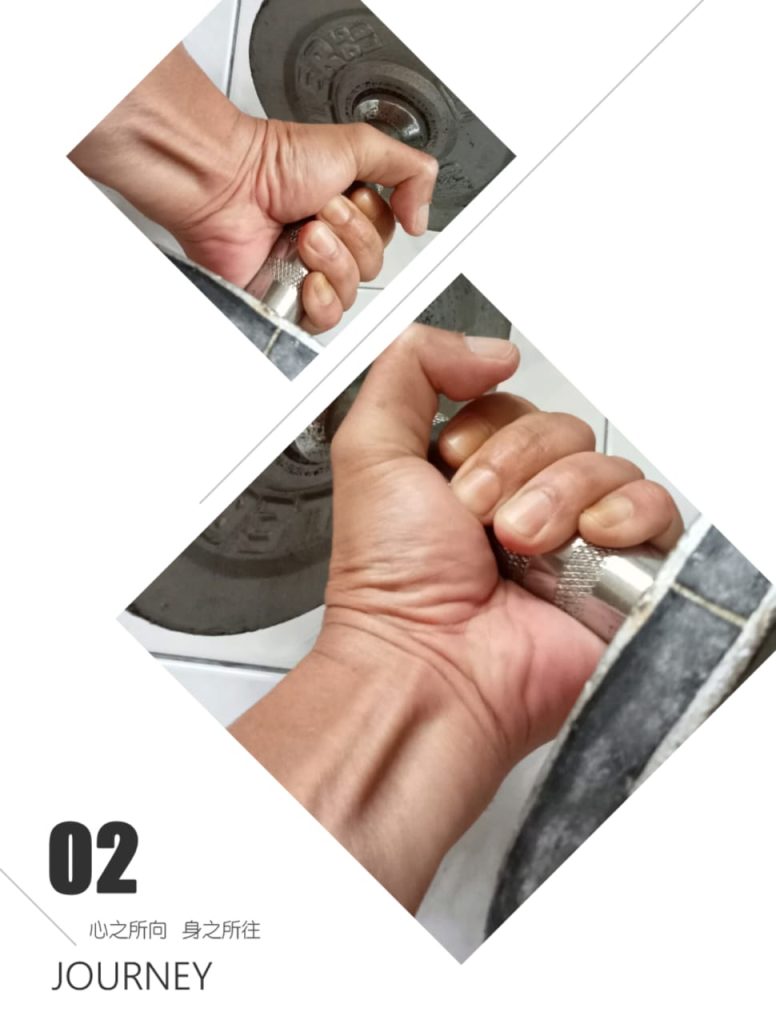
Even with a well-structured exercise routine, a largely sedentary lifestyle can significantly accelerate muscle loss.
Many people assume that completing a workout is sufficient, but extended periods of inactivity throughout the rest of the day can counteract those benefits.
Muscle tissue thrives on regular stimulation, and long durations of sitting reduce muscle activation, circulation, and metabolic efficiency.
Daily movement acts as a continuous signal to your body to preserve muscle tissue. It also improves blood flow, enhances nutrient delivery to muscles, and supports joint health.
Over a long period, maintaining an active daily routine contributes to better muscle endurance, coordination, and overall physical function.
Recommendations
Walk 3000 – 5000 steps daily
Walking is one of the simplest and most sustainable ways to maintain baseline physical activity. It supports cardiovascular health while keeping lower body muscles angaged.
Consistent walking also helps regulate blood sugar levels, which indirectly supports muscle preservation.
Avoid sitting for prolonged periods
Extended sitting reduces muscle activation, particularly in the legs and core. This can lead to gradual weakening little by little.
Interrupting sedentary periods with shorts bouts of standing or movement helps maintain muscle engagement and prevents stiffness.
Incorporate light activities like stretching or yoga
Movement throughout the day reinforces the body’s need to maintain muscle tissue, ensuring that muscles remain active, functional, and responsive.

Hormonal balance plays a central role in maintaining muscle mass, particularly after the age of 50. Key anabolic hormones including testosterone, growth hormone, and insulin-like growth factor gradually decline with age.
This shift creates a physiological environment that favors muscle breakdown over muscle building if not properly managed.
Optimizing hormonal health does not necessarily require medical intervention. Instead, it can often be supported through consistent lifestyle habits that naturally enhance the body’s internal regulatory systems.
Natural Strategies
Strength training (boosts anabolic hormones)
Resistance training stimulates the release of hormones that support muscle growth and repair. Regular training helps maintain a more favorable anabolic environment, even as natural hormone levels decline with age.
Adequate dietary fat intake
Healthy fats are essential for hormone production. Diets that are too low in fat can disrupt hormonal balance, particularly testosterone levels.
Including sufficient healthy fats supports endocrine function and overall metabolic health.
Quality sleep
Hormone regulation is closely tied to sleep cycles. Poor sleep disrupts the release of growth hormone and other key regulators, impairing muscle recovery and increasing the risk of muscle loss.
Stress management
Chronic stress leads to elevated cortisol levels, a hormone associated with muscle breakdown. Managing stress effectively helps maintain a more balanced hormonal environment.
Avoiding prolonged stress exposure is critical, as consistently high cortisol levels can counteract the benefits of exercise and proper nutrition, leading to gradual muscle degradation.
Recovery is a fundamental component of muscle maintenance and growth. While exercise provides the stimulus for muscle adaptation, it is during recovery that actual repair and strengthening occur.
Without adequate recovery, the body cannot effectively rebuild muscle tissue, increasing the risk of fatigue, injury, and long-term muscle loss.
Sleep is the most important recovery mechanism, as it directly influences hormonal balance, cellular repair, and overall physiological function.
Importance of Sleep
During deep sleep, several critical processes take place:
Growth hormone is released
This hormone plays a key role in muscle repair, regeneration, and overall tissue growth. Reduced sleep limits its release, impairing recovery.
Muscle tissue is repaired
Micro-tears created during resistance training are repaired during sleep, leading to stronger and more resilient muscle fibers.
Inflammation is reduced
Sleep helps regulate the body’s inflammatory response. Chronic sleep deprivation can lead to elevated inflammation, which negatively impacts muscle health and recovery.
Tips for Better Sleep
Maintain consistent sleep times
Going to bed and waking up at the same time each day helps regulate your internal body clock, improving sleep quality and recovery efficiency.
Limit screen exposure before bed
Blue light from electronic devices interferes with melatonin production, making it harder to fall asleep. Reducing screen time before bed supports natural sleep rhythms.
Keep your sleep environment cool and dark
A comfortable sleep environment promotes deeper and more restorative sleep, which is essential for muscle recovery.
Aim for at least minimum 6 – 8 hours of sleep per night.
Consistently getting sufficient sleep ensures that your body has enough time to complete essential recovery processes, supporting long-term muscle maintenance.
By prioritizing daily movement, hormonal balance, and high- quality recovery, you create a strong physiological foundation that supports muscle preservation and overall health as you age.
A balanced diet is fundamental to preventing muscle loss after 50. While protein often receives the most attention-and rightly so-it does not work in isolation.
Muscle maintenance and growth depend on a coordinated interaction between macronutrients (carbohydrates and fats) and micronutrients (vitamins and minerals).
Neglecting any of these components can limit your body’s ability to preserve lean muscle mass, recover from exercise, and maintain metabolic health.
As you age, your body becomes less metabolically efficient, meaning nutrient quality becomes even more important. A well-structured diet ensures that your muscles receive the energy, hormonal support, and cellular resources required to function optimally.
Key Nutrients
Carbohydrates
Carbohydrates are often misunderstood, especially in the context of aging and weight management. However, they play a crucial role in preventing muscles.
Carbohydrates provide glucose, which is stored in muscles as glycogen. During resistance training, glycogen is the primary energy source. Without sufficient carbohydrate intake, your body may break down muscle tissue to meet energy demands – a process known as gluconeogenesis.
Best carbohydrate sources:
- Whole grains (brown rice, oats, quinoa)
- Fruits (bananas, berries, apples)
- Vegetables (sweet potatoes, leafy greens)
- Legumes (lentils, chickpeas)
Healthy Fats
Dietary fats are essential for maintaining hormonal balance, particularly for hormones involved in muscle preservation such as testosterone and estrogen.
After 50, hormonal decline becomes more pronounced, and sufficient fat intake can further disrupt this balance.
Healthy fats also support cell membrane integrity, brain function, and reduce inflammation-all of which indirectly influence muscle health.
Best Healthy Fats Sources:
- Avocados
- Nuts (almonds, walnuts)
- Seeds (chia seeds, flaxseeds)
- Olive oill
- Fatty fish (salmon, mackerel)
Micronutrients
Micronutrients are often overlooked, yet they are vital for muscle contraction, recovery, and metabolic processes.
Best Micronutrients Sources:
- Magnesium (leafy greens, nuts, seeds, whole grains)
- Zinc (meat, shellfish, legumes, seeds)
- B Vitamins (whole grains, eggs, dairy, leafy greens)
A nutrient-dense diet that includes a variety of whole foods ensures that your body has the necessary building blocks to prevent muscle loss effectly.
Preventing muscle loss is not just about doing the right things-it’s also about avoiding behaviors that actively contribute to muscle breakdown.
Many individuals unknowingly adopt habits that undermine their progress, even when they believe they are making healthy choices.
Only Doing Cardio
Cardiovascular exercise is excellent for heart health, endurance and calorie burning. However, relying solely on cardio is one of the most common mistakes people make after 50.
Cardio does not provide sufficient mechanical tension to stimulate muscles growth or preservation. In some cases, excessive cardio-especially without adequate nutrition, it can even contribute to muscle loss.
To maintain muscle mass, resistance training must be included as a core component of your routine. Ideally, cardio should complement strength training, not replace it.
Undereating
Many individuals reduce their calorie intake as they age in an effort to manage weight. While maintaining a healthy weight is important, excessive calorie restriction can be counterproductive.
When your body does not receive enough energy, it begins to breakdown muscle tissue to meet its metabolic needs. This is particularly true if protein intake is also insufficient.
Signs of undereating include:
- Fatigue
- Loss of strength
- Poor recovery
- Unintended weight loss (including muscle mass)
A moderate calorie deficit, if needed, should always be combined with adequate protein and resistance training to minimize muscle loss.
Inconsistent Training
Consistency is one of the most critical factors in maintaining muscle mass.
Sporadic workouts-such as exercising intensely for a week and then stopping for several weeks, do not provide a sustained stimulus for muscle preservation.
Muscle adapts to regular, repeated stress. Without consistency, any gains made are quickly lost.
Establishing a realistic and sustainable routine is far more effective than short bursts of intense effort.
Avoiding Resistance Training
Some individuals avoid resistance training due to fear of injury, lack of experience, or the misconception that it is only for younger people.
In reality, resistance training is safe and highly beneficial when performed correctly. Avoiding it altogether leads to a gradual decline in muscle mass and strength.
Starting with light weights and proper technique, and gradually progressing little by little, can significantly reduce the risk of injury while maximizing benefits.
A common misconception is that muscle building becomes impossible after a certain age. This belief is not supported by scientific evidence.
Research consistently shows that individuals in their 50s, 60s, 70s, and even 80s can build muscle and increase strength through resistance training and proper nutrition.
How Muscle Growth Still Happens?
Even in older adults, muscles retain the ability to adapt to stress. When you engage in resistance training., your body responds by repairing and strengthening muscle fibers, leading to increased muscle mass over time.
While the rate of muscle growth may be slower compared to younger individuals, the capacity for improvement remains significant.
The Role of Muscle Memory
Muscle memory refers to the body’s ability to regain previously lost muscle more quickly than building it from scratch. This occurs because prior training leaves lasting changes in muscle cells, including an increased number of nuclei within muscle fibers. These adaptions persist even after periods of inactivity.
As a result, individuals who were active earlier in life often find it easier to rebuild muscle later on.
Functional Benefits Beyond Muscle Size
Building muscle after 50 is not just about aesthetics-it has profound functional benefits:
- Improved balance and coordination
- Reduced risk of falls and injuries
- Increased independence in daily activities
- Enhanced overall quality of life
These benefits make muscle-building efforts highly valuable at any age.
Understanding what to expect is essential for maintaining motivation and setting achievable goals. Muscle growth after 50 is a gradual process, but it is both realistic and rewarding.
What to Expect?
Strength Gains (4 – 6 Weeks)
One of the first noticeable improvements is increased strength. This is largely due to neuromuscular adaptations, where your nervous system becomes more efficient at activating muscle fibers.
Visible Muscle Changes (8 – 12 Weeks)
With consistent training and proper nutrition, visible improvements in muscle tone and definition typically begin to appear within two to three months.
Significant Improvements (6 – 12 Months)
Over a longer period, consistent effort can lead to substantial increases in muscle mass, strength, and overall physical performance.
Factors That Influence Progress
Several variables affect how quickly you see results:
- Training intensity and consistency
- Protein and calorie intake
- Sleep quality
- Stress levels
- Previous fitness experience
Optimizing these factors can significantly enhance your progress.
The Importance of Consistency Over Intensity
A common mistake is focusing too much on intensity while neglecting consistency. Extremely intense workouts performed irregularly are far less effective than moderate, consistent training over time.
Sustainable habits such as exercising regularly, eating balanced meals, and prioritizing recover are the true drivers of long-term success.
Long-Term Perspective
Muscle preservation and growth after 50 should be viewed as a long-term commitment rather than a short-term goal.
Progress may be slower, but it is steady and meaningful. As time passes, these improvements compound, leading to better health, increased strength, and greater independence.
By adopting a balanced nutritional approach, avoiding common mistakes, and maintaining realistic expectations, you create a strong foundation for preventing muscle loss and building strength well into later life.
Preventing muscle loss after 50 is not about short-term interventions or quick fixes, it requires a structured, sustainable approach grounded in consistency and long-term adherence.
Muscle health is cumulative, meaning the habits you repeat daily and weekly will determine your physical capacity years down the line.
Rather than focusing on isolated actions, the goal is to build an integrated lifestyle that continuously supports muscle maintenance, recovery, and growth.
Core Foundations to Focus On
Regular Strength Training
Resistance training remains the cornerstone of any long-term muscle preservation strategy. However, long-term success depends on progression and adaptability.
- Gradually increase resistance (progressive overload)
- Periodize your training (alternate intensity and volume phases)
- Include both compound and isolation exercises
- Adjust training frequency based on recovery capacity
Over successive periods, training should evolve with your fitness level to prevent plateaus and maintain continuous adaption.
Active Lifestyle Beyond Exercise
Structured workouts alone are not enough. Daily movement plays a critical role in maintaining muscle function.
- Avoid prolonged sedentary behavior
- Incorporate walking, mobility work, or light physical tasks
- Use “movement snacks” (short bursts of activity throughout the day)
This helps maintain neuromuscular engagement and prevents gradual muscle deconditioning.
Additional Evidence-Based Strategies
Maintain Muscle Through Life Transitions
Periods such as illness, travel, or busy schedules often disrupt routine. Planning for these disruptions is critical.
- Use bodyweight exercises when access to a gym is limited
- Maintain protein intake even during inactivity
- Resume training gradually after breaks to avoid injury
Minimizing muscle loss during interruptions is just as important as building muscle during active periods.
Support Metabolic Health
Muscle mass is closely linked to metabolic function.
- Maintain stable blood sugar levels through balanced meals
- Avoid excessive refined sugar intake
- Combine carbohydrates with protein and fats to improve insulin response
Improved metabolic health enhances nutrient partitioning, allowing your body to utilize nutrients more effectively for muscle maintenance.
Incorporate Mobility and Flexibility Training
Muscle strength without mobility can lead to dysfunction and injury.
- Include stretching or mobility routines 2 – 3 times per week
- Focus on joints with reduced range of motion (hips, shoulders, spine)
- Consider practices like yoga or dynamic stretching
Maintaining mobility ensures that muscle strength translates into functional movement.
Monitor Body Composition, Not Just Weight
Scale weight alone does not reflect muscle mass.
- Track strength improvements
- Use body measurements or progress photos
- Consider periodic body composition analysis
Maintaining or increasing muscle while managing fat levels is a more accurate indicator of success.
Manage Stress Effectively
Chronic stress elevates cortisol, a hormone that promotes muscle breakdown.
- Practice stress-reduction techniques (meditation, breathing exercises)
- Maintain a balanced work-rest schedule
- Engage in relaxing activities regularly
Stress management is acritical but often overlooked component of muscle preservation.
Build Sustainable Habits, Not Extreme Routines
Extreme diets or overly intense training programs are difficult to maintain and often lead to burnout.
- Focus on realistic, repeatable behaviors
- Set achievable weekly goals
- Prioritize consistency over perfection
Sustainability ensures adherence, which is the most important factor in long-term success.
The Compounding Effects of Small Habits
Muscle preservation is the result of accumulated behaviors. Small, consistent actions-such as regular workouts, balanced meals, and proper sleep-compound progressively and lead to significant improvements over an extended period.
Missing a single workout or meal will not cause muscle loss, but repeated neglect over weeks and months will. Conversely, consistent adherence to positive habits produces measurable gains in strength, muscle mass, and overall health.
Long-Term Perspective
Think of muscle maintenance as a lifelong investment rather than a temporary goal. The objective is not just to look strong, but to remain functional, independent, and resilient as you age.
By focusing on consistency, adaptability, and evidence-based strategies, you can significantly reduce muscle loss and maintain physical capability well into later decades.
Frequently Asked Answer
1. How quickly does muscle loss happen after 50?
Muscle loss can occur at a rate 1 – 2% per year without intervention.
2. Is walking enough to prevent muscle loss?
No. Walking is beneficial but does not provide sufficient stimulus for muscle preservation.
3. Do I need supplements?
Not necessarily, but they can help fill nutritional gaps.
4. Is it too late to start after 60 or 70?
No. It is never too late to improve muscle mass and strength.
5. Can diet alone prevent muscle loss after 50?
No. While proper nutrition, especially adequate protein intake is essential for maintaining muscle mass, diet alone is not enough. Without resistance training, the body lacks the necessary stimulus to preserve or build muscle. The most effective approach is a combination of strength training, balanced nutrition, and an active lifestyle.
Conclusion
Muscle loss after 50 is common, but it is not inevitable. While age-related muscle decline can occur due to physiological changes, it can be effectively slowed, managed, and even reversed with the right approach. Understanding how muscle loss develops is the first step toward taking control of your long-term health and physical function.
By consistently applying science-backed strategies such as resistance training, adequate protein intake, balanced nutrition, and proper recovery, you can significantly reduce muscle loss and support ongoing muscle maintenance.
These interventions work together to stimulate muscle protein synthesis, improve strength, and create an environment where muscle preservation becomes sustainable over time.
Incorporating regular strength training ensures that your muscles continue to receive the stimulus needed to grow and adapt. Pairing this with sufficient protein and overall nutrient intake provides the essential building blocks required for repair and regeneration.
At the same time, lifestyle factors such as quality sleep, stress management, and daily movement play a critical role in optimizing recovery and hormonal balance, both of which directly impact muscle health.
According to research published by the National Institutes of Health, targeted interventions like resistance training and proper nutrition can significantly improve muscle mass and function in older adults.
Similarly, insights from Harvard Health emphasize the importance of maintaining muscle through consistent activity and dietary habits to support overall health and independence.
The most important factor in preventing muscle loss is taking action early and remaining consistent. Small, daily habits such as staying active, eating well, and prioritizing recovery, accumulate gradually and lead to meaningful, long-term results. Muscle health is built little by little, and every positive choice contributes to maintaining strength and functionality as you age.
Ultimately, your body remains adaptable well beyond 50. With the right strategies and a long-term mindset, you can preserve muscle mass, enhance strength, and maintain independence and vitality for years to come.
If you found this guide helpful, consider sharing it with others who want to stay strong and healthy as they age. Your support helps spread valuable, science-backed information and can make a real difference in someone’s life. Thank you.
To explore more depth in Compound Exercises & Preventing Muscle Loss with Age, you can click the links below:
- How Much Protein Do You Need After 50 to Prevent Muscle Loss?
- 7 Exercises to Perform Daily to Improve Heart Health and Overall Fitness.
Please like and share to let more people aware about How to Prevent Muscle Loss After 50, Thank you.
Leave a Reply