Home baking is more that just making cakes or cookies – it’s a rewarding habit that brings comfort, creativity, and healthier eating into your daily life.Whether you’re completely new or just starting to explore baking at home, this beginner baking guide will help you build confidence with simple recipes and practical daily baking tips.
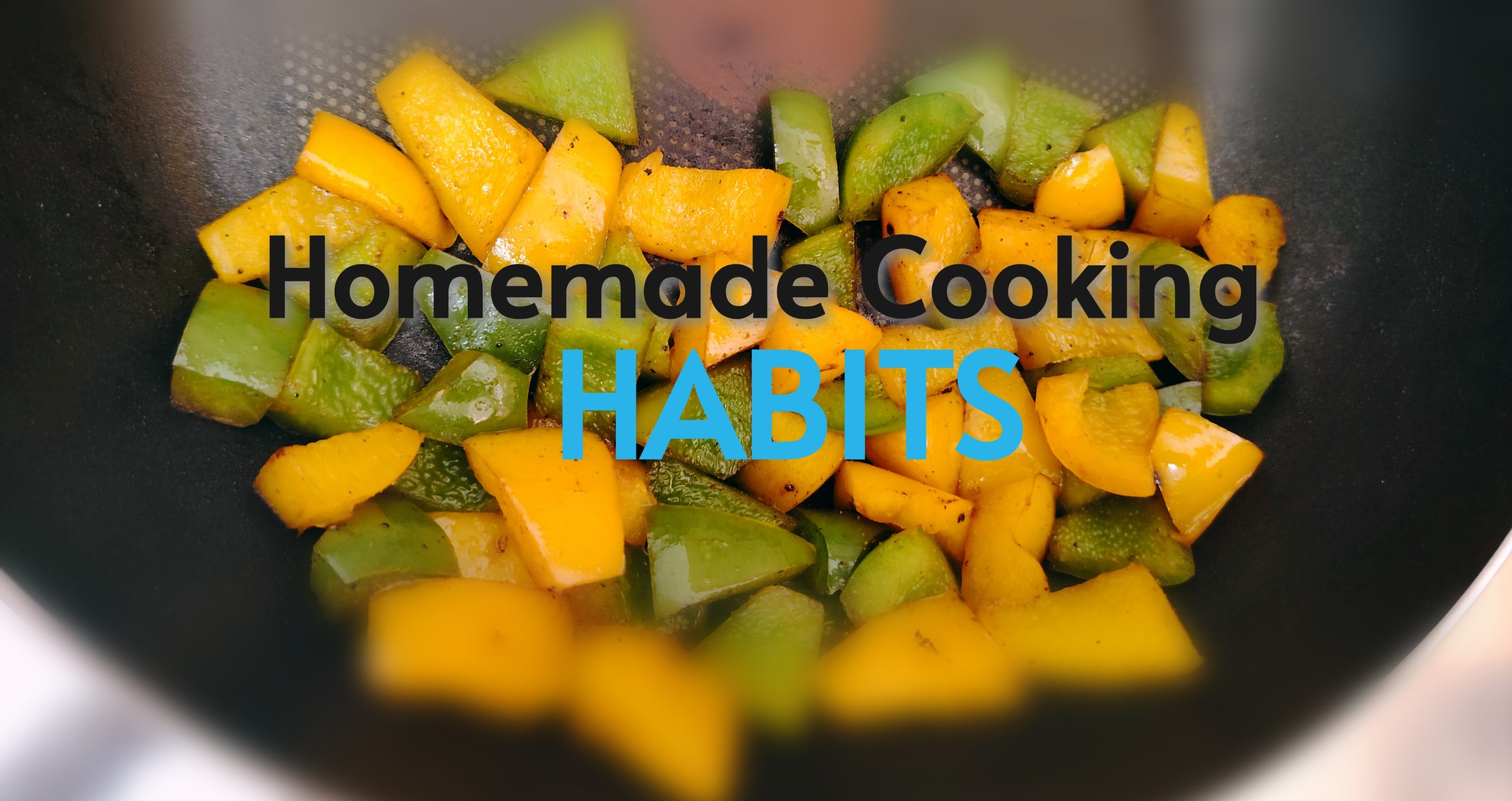
If you’re already working in improving your Homemade Cooking Habits, baking is a powerful extension of that journey. It encourages consistency, portion control, and a deeper understanding of ingredients.
Many beginners hesitate to start baking because they think it’s complicated or requires special skills. In reality, baking can be simple if you follow the right approach, especially when using a beginner baking guide to get started step by step.
Here are a few reasons why home baking is worth trying:
- Healthier control – You decide the sugar, butter, and ingredients used
- Cost Saving – Homemade baked goods are often cheaper than store-bought
- Stress relief – Baking is calming and therapeutic
- Consistency Habit – Builds discipline in your daily routine
When baking at home, it is also important to follow proper food safety and hygiene practices. According to the U.S.Department of Agriculture(USDA), safe food handling, correct storage of ingredients, and proper cooking temperatures are essential to prevent food borne illness and ensure safe homemade baking.
Just like developing strong Homemade Cooking Habits, following a beginner baking guide helps you stay consistent with healthier food choices and build confidence in the kitchen.
Beginner Baking Guide : Essential Baking Tools for Beginners
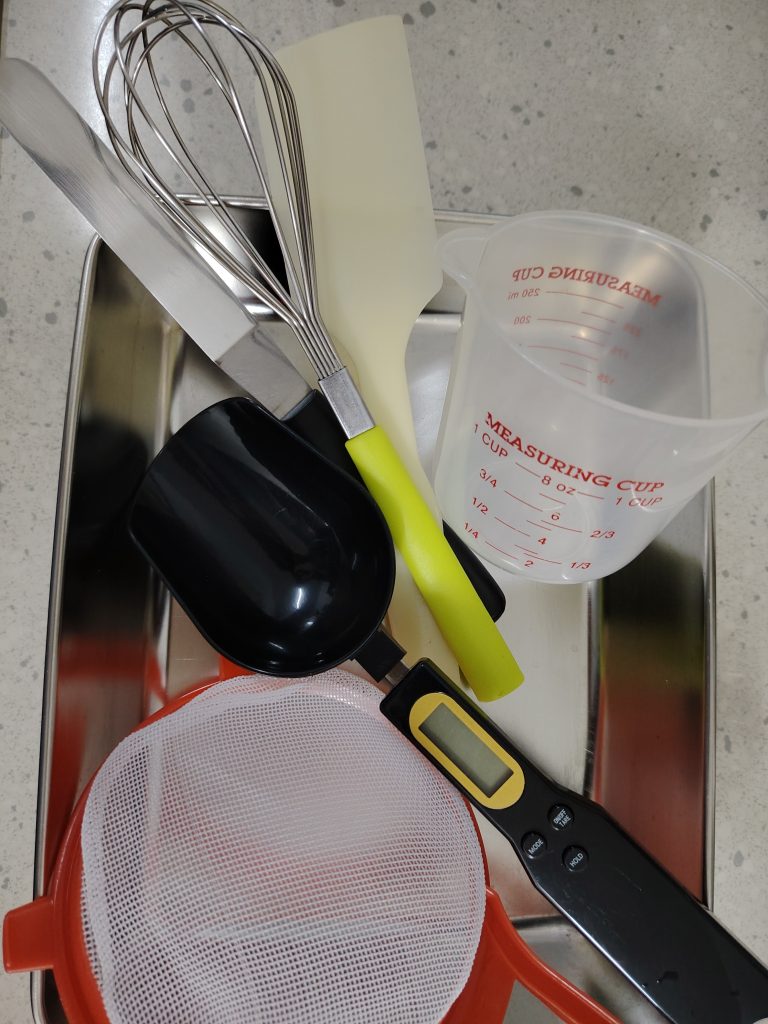
You don’t need a professional kitchen to start baking. A few basic tools are enough:
- Mixing bowls
- Measuring cups and spoons
- Oven ( or toaster oven)
- Baking tray or cake pan
- Whisk or hand mixer
- Spatula
Start simple. Avoid overbuying equipment at the beginning. Focus on learning techniques first.
Understanding Basic Baking Ingredients
1. Flour –
The structure of your baked goods. All purpose flour is best for beginners.
2. Sugar –
Adds sweetness and affects texture.
Less sugar = less soft texture.
3. Eggs –
Provide structure, moisture, and richness.
4. Butter or Oil –
Adds flavor and softness.
5. Baking Powder / Baking Soda –
Helps your baked goods rise.
6. Milk or Liquid –
Creates the right batter consistency.
Baking is science. Small changes can affect the result – so follow recipes carefully as the start.
Easy Beginner Baking Guide Recipes
Start with simple recipes that require minimal steps and ingredient.
1. Basic Vanilla Cupcakes
Ingredients :
- 1 cup flour
- 1/2 cup sugar
- 1/2 cup butter
- 2 eggs
- 1 tsp baking powder
- 1/2 cup milk
- 1 tsp vanilla extract
Steps :
- Preheat oven to 180 degree Celsius
- Mix butter and sugar until smooth
- Add eggs and vanilla
- Mix in flour and baking powder
- Add milk and stir
- Pour into cups and bake for 20 minutes.
2. Simple Banana Bread
Perfect for beginners and reduces food waste.
* 2 ripe bananas
* 1 cup flour
* 1/2 cup sugar
* 1 egg
* 1/4 cup oil
* 1 tsp baking soda
1. Mash Bananas
2. Mix all ingredients
3. Pour into a loaf pan
4. Bake at 180 degree Celsius
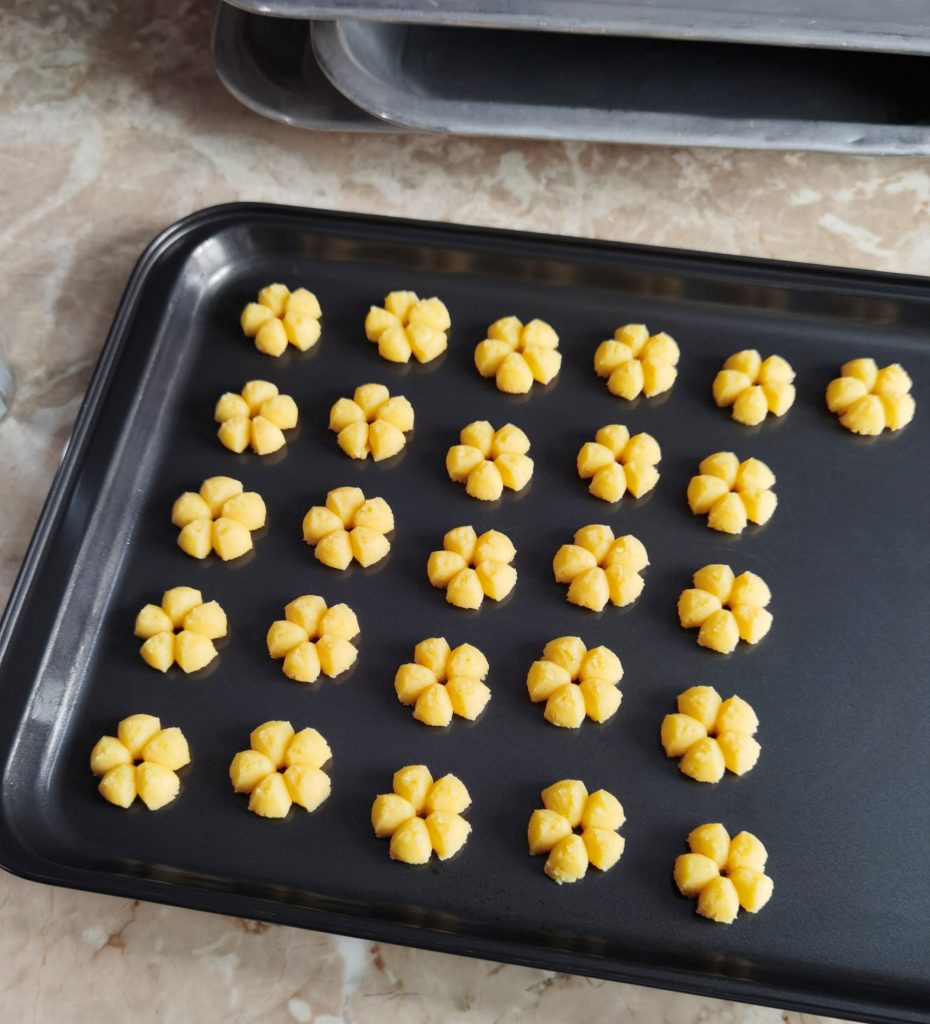
3. Three – Ingredients Butter Cookies
These cookies are perfect for beginners – SIMPLE, QUICK, and DELICIOUS.
* 1 cup butter (softened)
* 1/2 cup sugar
* 2 cups all-purpose flour
Instructions :
- Preheat your oven to 180 degree celsius.
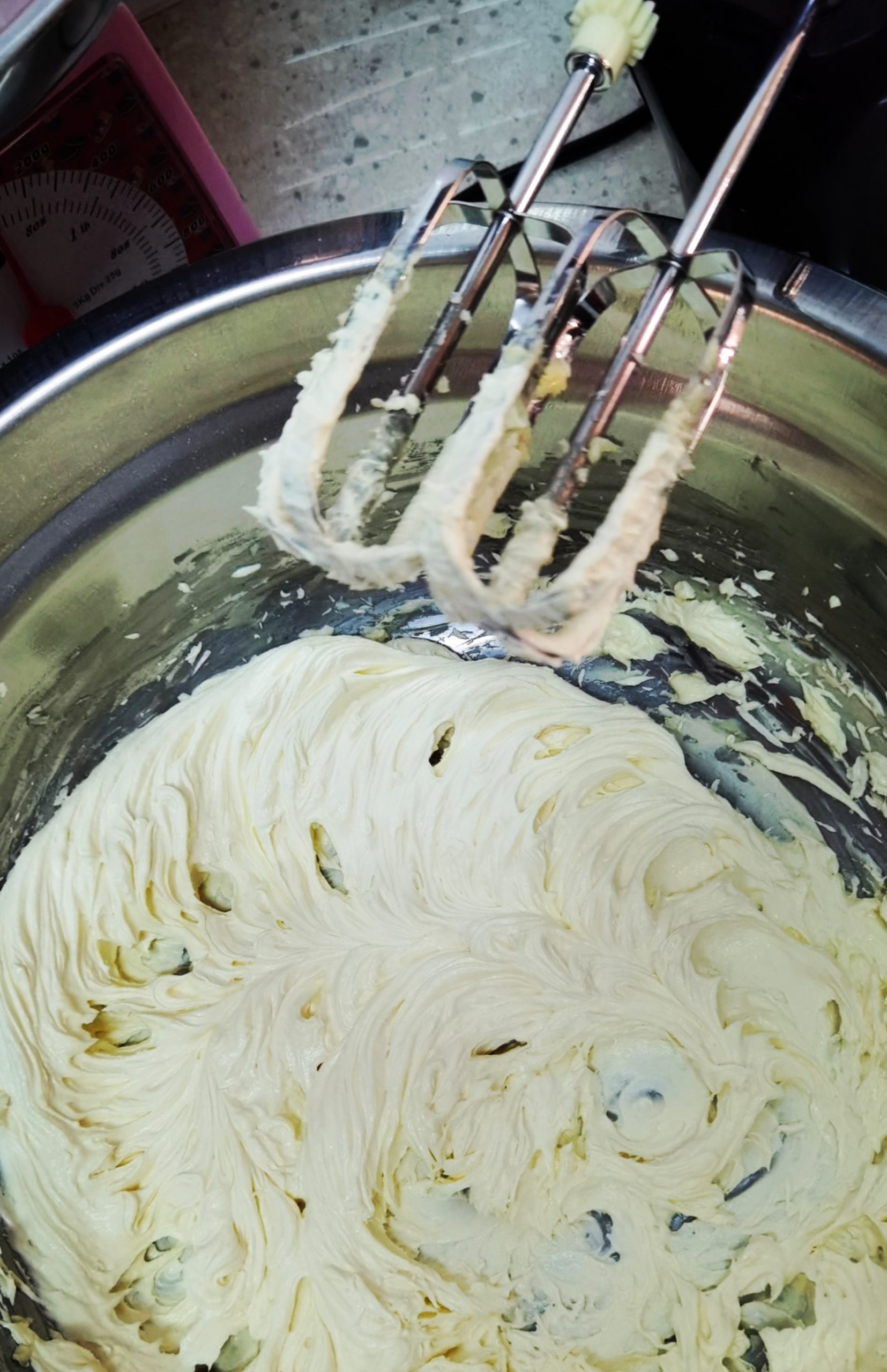
- In a bowl, cream the butter and sugar until smooth and fluffy.
- Gradually add in the flour and mix until a soft dough forms.
- Roll the dough into small balls and place them on a baking tray.
- Gently flatten each cookie with a fork or your hand.
- Bake for 12-15 minutes or until the edges turn lightly golden.
TIPS :
- Do not over mix the dough – it can make cookies hard
- If the dough is too soft, chill it for 10-15 minutes
- You can add vanilla or chocolate chips for extra flavor
Daily Baking Tips for Beginners
Consistency is key. These simple tips will help you improve daily.
Don’t jump into complicated cakes. Master basics first.
2. Follow Recipes Exactly
Unlike cooking , baking requires accuracy.
3. Measure Properly
Use measuring tools – don’t estimate.
4. Preheat Your Oven
Always preheat to ensure even baking.
5. Learn from Mistakes
Burnt cake ? Too dry ? That’s part of process.
6. Practice Consistency
Bake regularly- even once a week builds skill.
This mirrors the principle behind strong Homemade Cooking Habits – consistency beats perfection.
Common Beginner Baking Mistakes
Avoid these common errors:
| Common Mistakes | Consequences |
| Over mixing Batter | Leads to Dense Cakes |
| Wrong Oven Temperature | Too Hot = Burnt Outside, Raw Inside |
| Skipping Ingredients | Each Ingredient has a Purpose |
| Opening Oven Too Often | Heat Escapes and Affects Baking |
How Baking Supports Healthy Living
Many people think baking is unhealthy – but that depends on your choices.
When done right, home baking can support your health goals:
This aligns perfectly with building long-term homemade cooking habits, where the focus is not just taste- but sustainability and health.
In addition, healthy eating habits also play an important role in baking choices. The UK National Health Service (NHS) emphasizes balanced nutrition, portion control, and reducing excess sugar and saturated fats in daily diets. Applying these principles to home baking helps beginners create healthier versions of their favorite treats while maintaining enjoyment.
Building a Daily Baking Habit
If you want to improve faster, treat baking as part of your lifestyle- not just an occasional activity. Like any skill, consistency is what builds confidence and results,especially when following a beginner baking guide. You don’t need to bake everyday, but having a simple and realistic routine from a beginner baking guide helps you stay on track without feeling overwhelmed.
Weekly Plan Example:
Monday : Read a new recipe
Read or watch one new recipe, understand the ingredients and steps involved, and take note of anything unfamiliar, as this helps you build knowledge gradually without pressure.
Wednesday : Practice a simple bake
Try a simple recipe like cookies, cupcakes, or banana bread, focus on accuracy in measuring, mixing, and timing, and observe the results – whether it’s too dry or too soft – as this is where real improvement happens.
Weekend : Experiment (Confidence Growth)
Try something slightly new or different by adjusting the sugar level, adding toppings, or changing flavors, and bake for family or friends, as this helps build creativity and enjoyment.
” If you want to build long-term consistency in the kitchen, check out my full guide on Homemade Cooking Habits.”
Home baking is not about perfection – it’s about consistency, learning, and enjoyment.
Start simple.
Follow the Basics.
Practice regularly.
Overtime, you’ll not only improve your baking skills but also develop a healthier and more sustainable lifestyle.
Most importantly, baking is a powerful extension of your Homemade Cooking Habits. It transforms your kitchen from a place of occasional cooking into a daily routine of creativity, control, and well-being.
With easy recipes, simple tools, and daily consistency, anyone can become confident in home baking. Focus on progress, not perfection.
AND REMEMBER :
Build your baking journey step by step, and connect it with your overall homemade cooking habits for long-term success.
The best way to start is by following a beginner baking guide with simple recipes like cookies, banana bread, or cupcakes. Focus on basic techniques such as measuring ingredients correctly and following step-by-step instructions.
2. What are the easiest recipes for beginner home bakers?
Some of the easiest recipes include 3-ingredients butter cookies, banana bread, and simple vanilla cupcakes. These recipes require minimal ingredients and are perfect for learning basic baking skills.
3. Do I need special equipment for home baking?
NO, beginners only need basic tools such as a mixing bowl, measuring cups, a baking tray, and an oven. You don’t need professional equipment to start baking at home.
4. How often should a beginner bake to improve?
A beginner should try baking at least 1-2 times per week. Consistency is more important than quantity, as regular practice helps build confidence and improve skills over time.
5. Why is home baking better than buying baked goods?
Home baking allows you to control ingredients, reduce sugar, and avoid preservatives. It is also more cost-effective and helps you develop healthier eating habits over time.
6. Can baking help improve daily lifestyle habits?
YES, baking regularly can build discipline, reduce stress, and encourage healthier food choices. It also supports better homemade cooking habits, making your lifestyle more balanced and consistent.