Category: Healthy Eating

  • 5 High Protein Fish with Health Fats (Omega-3) for Fitness, Weight Loss and Heart Health

    5 High Protein Fish with Health Fats (Omega-3) for Fitness, Weight Loss and Heart Health

    Today, I am going to share and anatomy the benefits of the 5 High Protein Fish especially for people looking for fitness, heart health and weight loss.

    When people talk about building a strong, lean, and healthy body, protein is always part of the conversations. But not all protein sources are created equal. Among the many options available, fish stands out as one of the most effective and balanced choices you can make your diet.

    This is why understanding the 5 high protein fish that also contain healthy fats is so valuable. These fish do more than just provide protein. They deliver essential omega-3 fatty acids which can improve hearth health, support brain function, and help with fat loss. According to the American Heart Association, omega-3 fatty acids help reduce the risk of heart disease and support overall cardiovascular health.

    Whether your goal is to gain muscle, lose weight, or simply improve your overall health, choosing the right fish can make a measurable difference. In this article we will break down the 5 high protein fish you should include in your diet, explain their benefits, and show you how to use them effectively.

    Before diving into the list, it is important to understand why the 5 high protein fish category is so powerful as compared to other protein sources.

    Protein is essential for repairing muscle tissue, maintaining lean body mass, and supporting metabolism. Research from the Harvard T.H. Chan School of Public Health hightlights that high-quality protein sources like fish are beneficial for long-term health and weight management.

    At the same time, healthy fats, especially omega-3 fatty acids which play a critical role in reducing inflammation, supporting cardiovascular health, and enhancing recovery after exercise.

    Most land-based protein sources either lack of healthy fats or contain unhealthy saturated fats. Fish, on the other hand, provides a rare combination of:

    • High-quality protein
    • Healthy fats (omega-3)
    • Essential vitamins and minerals

    This combination is exactlywhy nutrition experts often recommend focusing on the 5 high protein fish instead of relyingsolely on chicken, beef, or processed protein sources.

    The 5 high protein fish are especially effective for people who are serious about fitness and weight loss management, and desire to achieve a great result over a period.

    First, protein increases satiety. This means you feel full longer after eating , which helps reduce overall calorie intake. Second, omega-3 fatty acids improve how your body processes fat and can support metabolic health.

    Additinally, these fish help preserve muscle mass during weight loss. This critical because losing muscle can slow down your metabolism and make it harder to maintain results.

    By incorporating the 5 high protein fish into your weekly meals, you create a sustainable approach to both fat loss and muscle maintenance.

    When you combine protein and healthy fats in one food source, you get a powerful nutritional profile that supports multiple aspects of your health simultaneously.

    1. Salmon # The Most Popular Choice Among the 5 High Protein Fish

    5 high protein fish

    Salmon is often the first fish that comes to mind when discussing the 5 high protein fish, and for good reason. It offers one of the best combinations of protein and healthy fats available in any natural food.

    A standard serving of salmon delivers a high amount of protein along with a rich dose of omega-3 fatty acids. These nitriens work together to support muscle recovery, reduce inflammation, and improve heart health.

    • High-quality protein for muscle growth
    • Rich in omega-3 for heart health and brain health
    • Helps reduce inflammation
    • Supports recovery after workouts and exercises

    Salmon is not only nutritious but aso versatile and widely available. It fits easily into most diets, whether you are focused on fitness, weight loss, or general health.

    Grilled salmon, baked salmon, pan-seared salmon, or fresh raw salmon with salads are all excellent options. Pair it with vegetables and whole grains for balanced meal.

    2. Mackerel # A Powerful Member of 5 High Protein Fish

    mackerel - 5 high protein fish

    Mackerel is another standout in the 5 high protein fish category. While it may not be as popular as salmon, it is actually one of the richest sources of omega-3 fatty acids.

    This fish is particularly beneficial for people who wat to improve cardiovascular health while maintaining a high-protein diet.

    • Extremely high in omega-3 fatty acids
    • Supports heart health
    • Provides anti-inflammatory benefits
    • High in essential nutrients

    Mackerel delivers more healthy fats than many other fish, making it ideal for people who want to maximize omega-3 intake.

    Grilled or smoked Mackerel is the best way of cooking methods, especially when combined with lemon, herbs, or light seasoning.

    3. Tuna # A Lean Option in the 5 High Protein Fish Category
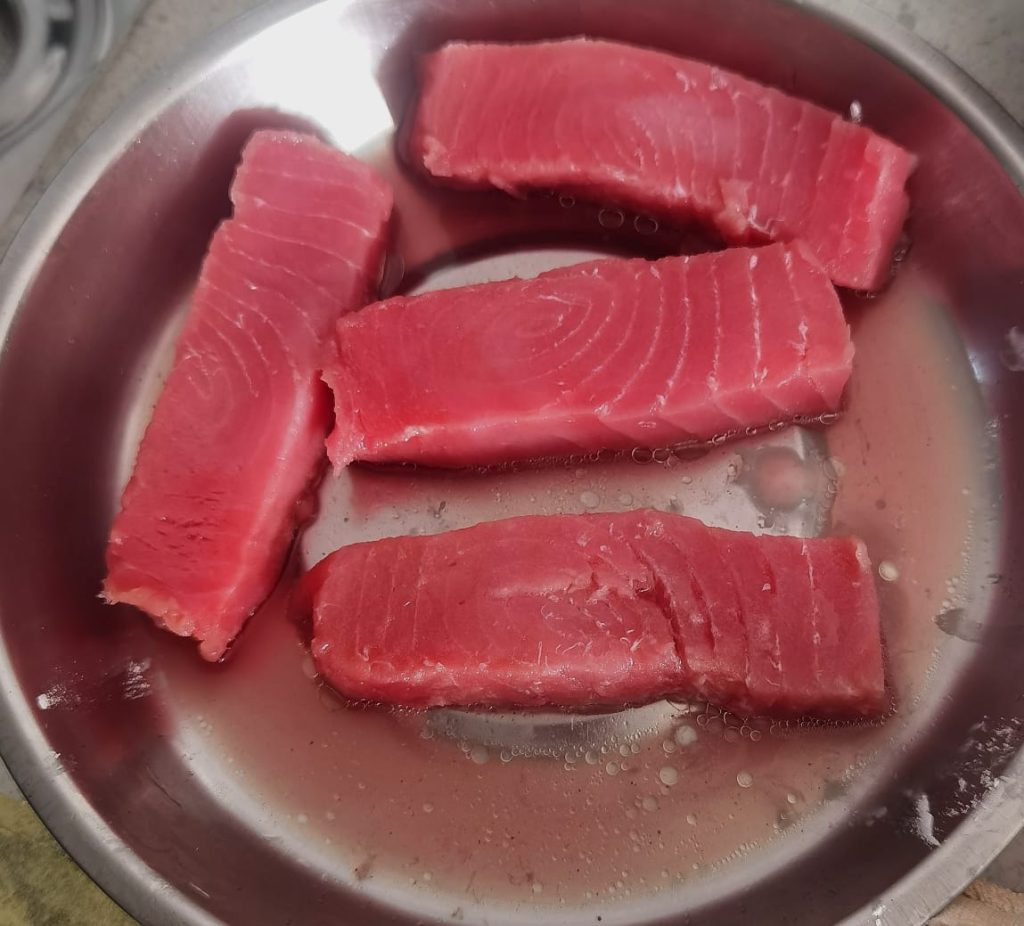
    tuna - 5 high protein fish

    Tuna is one of the most widely consumed fish globally and plays an important role in the 5 high protein fish list. It is especially popular among athletes and fitness enthusiasts.

    Compared to salmon and mackerel, tuna is leaner, meaning it contains less fat but still provides a solid amount of protein and omega-3.

    • High protein content
    • Low in calories
    • Supports fat loss
    • Convenient and accessible

    Tuna is ideal for people who want to increase protein intake without adding too many calories. This makes it perfect for weight loss diets.

    Tuna can be eaten fresh, grilled, or canned. It is easy to add to salads, sandwiches, and rice bowls.

    4. Sardines # A Nutrient-Dense Option Among the 5 High Protein Fish
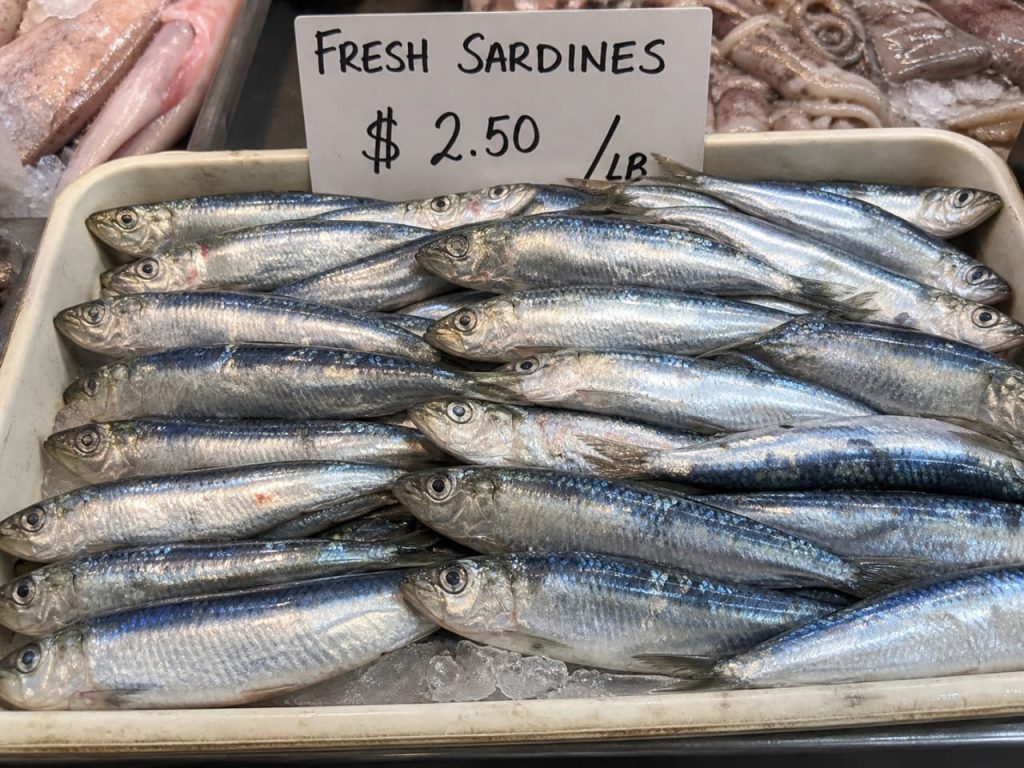
    sardines - 5 high protein fish

    Sardines are often underestimated, but they are one of the most nutrient-dense options within the 5 high protein fish.

    These small fish are packed with protein, omega-3 fatty acids, and additional nutrients like calcium and vitamin D.

    • High in protein and healthy fats
    • Supports bone health
    • Reduces inflammation
    • Environmentally sustainable

    Sardines are affordable, widely available, and incredibly nutritious. They provide a strong balance of protein and healthy fats in a compact serving.

    They are commonly canned and can be eaten on toast, in salads, or as part of a quick meal. In addition, they also can be fried to make them more flavorful.

    5. Trout # A Balanced Choice in the 5 High Protein Fish List

    trout - 5 high protein fish

    Trout is another excellent option that completes the 5 high protein fish. It offers a balanced profile of protein and healthy fats while being mild in flavor.

    • High in protein
    • Contains omega-3 fatty acids
    • Supports immune health
    • Lower risk of contaminants

    Trout is a clean and versatile fish that works well for a wide range of diets. It is especially suitable for those who prefer milder flavor.

    Trout can be baked, grilled, or steamed and pairs well with simple, healthy ingredients like onions, garlics, tomatoes, mushroom, carrots and even tofu too.

    How to Add 5 High Protein Fish to Your Weekly Diet

    Including the 5 high protein fish in your diet does not require complicated meal planning. The key is consistency and variety.

    Here are some practical strategies:

    • Eat fish at least 2 – 3 times per week
    • Rotate between the 5 high protein fish to avoid boredom
    • Use simple cooking methods like grilling, baking or steaming
    • Combine fish with vegetables and whole foods to make your meal more flavorful

    Common Mistakes When Eating the 5 High Protein Fish

    Even though the5 high protein fish are extremely healthy, there are some mistakes to avoid:

    1. Overcooking Fish

    Overcooking can reduce flavor and nutritional value.

    2. Choosing Processed Fish

    Heavily processed fish products often contain unhealthy additives.

    3. Ignoring Portion Sizes

    Even healthy foods should be consumed in balanced portions.

    Additional Health Benefits of the 5 High Protein Fish

    Beyond fitness and weight loss, the 5 high protein fish provide several long-term health benefits:

    • Improved heart health
    • Better brain function
    • Reduced inflammation
    • Stronger immune system

    These benefits make fish one of the most valuable foods you can include in your diet.

    Mini Tutorial –
    What Is Omega-3 Fatty Acids

    Omega-3 fatty acids are a group of essential polyunsaturated fats that play a fundamental role in maintaining overall health and supporting vital body functions. Because the human body cannot produce omega-3 fatty acids on its own, they must be obtained through diet, primarily from sources such as fatty fish, nuts, and seeds. The three main types of omega-3 fatty acids include alpha-linolenic acid (ALA), eicosapentaenoic acid (EPA), and docosahexaenoic acid (DHA), each contributing uniquely to physiological processes. These healthy fats are widely recognized for their ability to support cardiovascular health by helping to reduce triglyceride levels, lower blood pressure, and decrease the risk of heart disease.

    In addition, omega-3 fatty acids possess strong anti-inflammatory properties, which can help manage chronic inflammation linked to conditions such as arthritis and metabolic disorders. Another key feature of omega-3 fatty acids is their importance in brain function, as DHA is a major structural component of the brain and retina, supporting cognitive performance, memory, and visual health. Regular intake of omega-3 has also been associated with improved mental well-being, potentially reducing symptoms of depression and anxiety.

    Furthermore, these fatty acids contribute to better metabolic health and may aid in weight management by improving fat metabolism and promoting a feeling of fullness.

    Overall, omega-3 fatty acids are essential nutrients, that provide a wide range of health benefits, making them a critical component of a balanced and nutritious diet.

    Conclusion

    Why the 5 high protein fish should be part of your lifestyle?

    The 5 high protein fish – salmon, mackerel, tuna, sardines, and trout offer a unique combination of protein and healthy fats that few other foods can match.

    They support muscle growth, develop muscle mass, promote fat loss, improve heart health, and contribute to overall well-being. By incorporating these fish into your regular diet, you create a strong nutritional foundation that supports both short-term fitness goals and long-term health.

    Instead of relying on processed foods or limited protein sources, focus on these natural, nutrient-rich options. The results will not only be visible in your physical performance but also in how you feel every day.

    Start including 5 high protein fish in your meals consistently, and over time, you will see why they are considered one of the best dietary choices for health and fitness.

    Kindly like and share if you feel this article is useful, thank you.
  • 5 Powerful Benefit of Smoothies: Easy Nutrition for a Healthier Lifestyle

    5 Powerful Benefit of Smoothies: Easy Nutrition for a Healthier Lifestyle

    In today’s busy world, maintaining a healthy diet often feels difficult. Many people reply on fast food or skip meals simple because they don’t have time to prepare balanced dishes. This is where smoothies become a powerful solution.

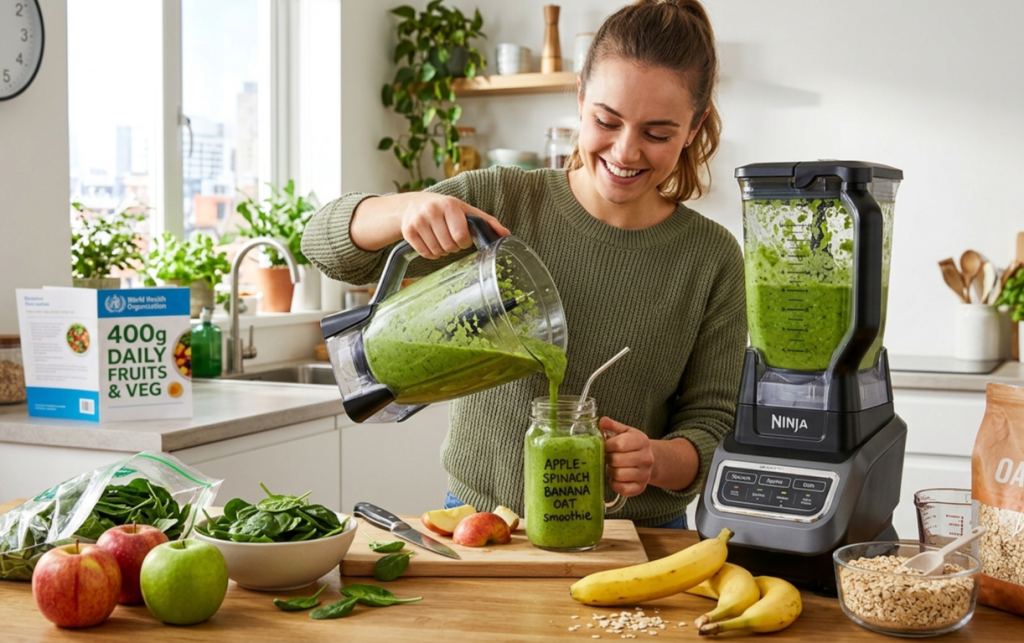
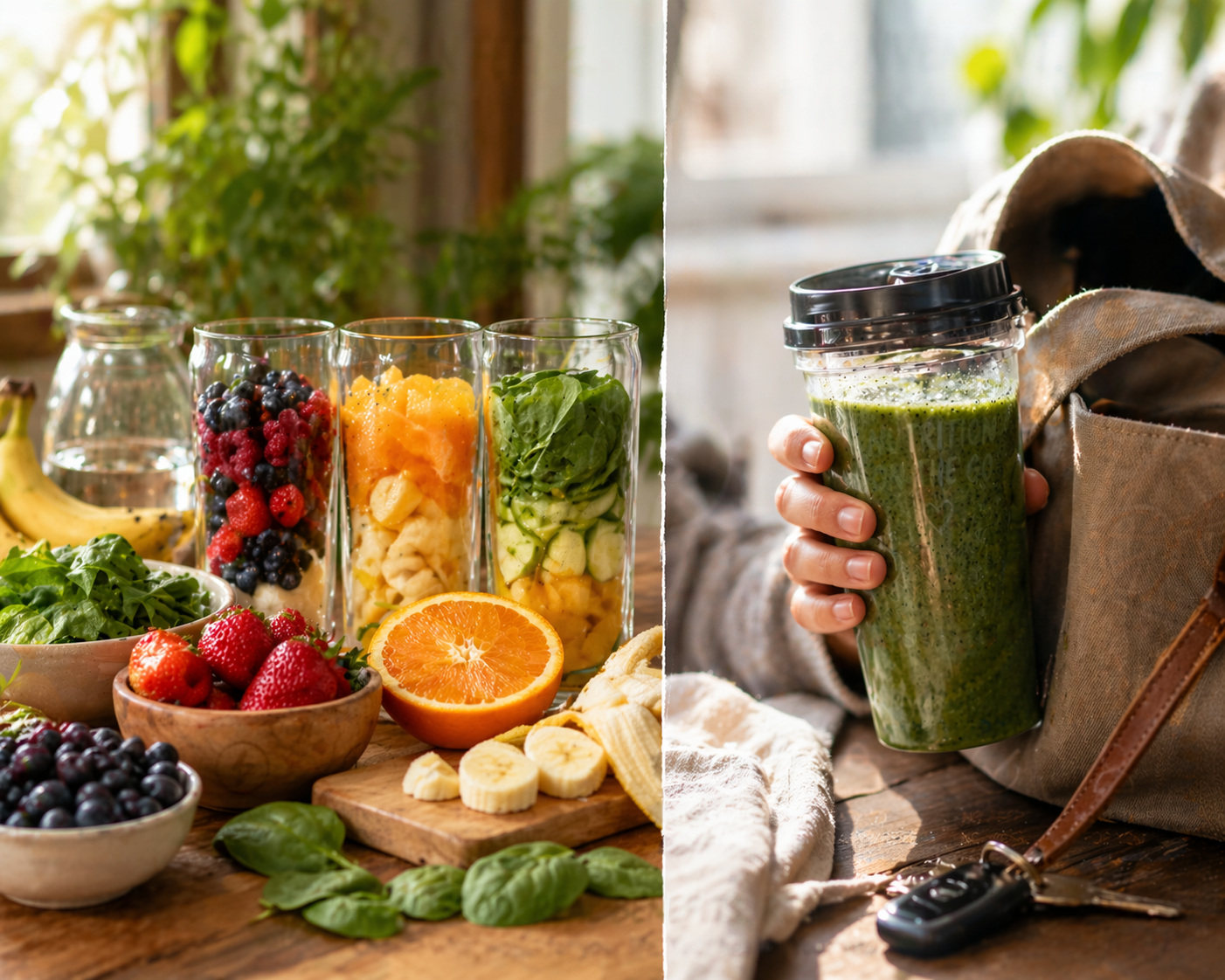
    Healthy smoothies with fruits and oats representing easy nutrition in today's busy world where maintaining a healthy diet is difficult

    Smoothies offer easy nutrition – a simple and convenient way to consume essential nutrients without complicated cooking. Whether your goal is to improve health, boost energy, or lose weight naturally, smoothies can play an important role in your daily routine.

    By blending fruits, vegetables, and other whole ingredients, smoothies help you nourish your body quickly and effectively

    Smoothies are made by blending whole foods such as fruits, vegetables, nuts, and seeds. Unlike processed meals, they retain natural nutrients and fiber.

    According to the World Health Organization, a healthy diet includes a variety of fruits and vegetables that help protect against chronic diseases.

    Smoothies make it easier to meet these daily nutritional needs, especially for people with busy lifestyles.

    Getting enough fruits and vegetables every day can feel difficult, but smoothies turn it into easy nutrition.

    According to the World Health Organization, adult should consume at least 400g daily to reduce the risk of serious diseases, yet many people fall short due to busy lifestyles.

    A smoothies solves this by combining several ingredients into one quick drink. For example, blending apple, spinach, banana, and oats creates a nutrient-rich option packed with fiber, vitamins, and energy. This approach not only saves time but also improves consistency, helping you reach your daily target effortlessly.

    With one daily smoothies, you can conveniently support your overall health in a simple, sustainable way.

    The Daily Drink Habit Nobody Told You About…

    fresh smoothies with banana, spinach, and apple supporting easy nutrition and balanced diet

    1. Rich in Vitamins and Antioxidants

    Smoothies are one of the simplest ways to achieve easy nutrition because they combine multiple nutrient-dense ingredients into one drink.

    Fruit like berries and orange provide vitamin C, while bananas add potassium and leafy greens supply vitamins A and K.

    Antioxidants from these ingredients help reduce oxidative stress in the body, which is linked to aging and chronic diseases. Regular intake can strengthen your immune system, support healthier skin, and improve overall energy levels.

    Since smoothies often use whole foods, you get nutrients in a more natural and absorbable from compared to processed alternatives.

    2. High in Fiber for Better Digestion

    Fiber is essential for maintaining a healthy digestive system, and smoothies make it easy to consume enough daily.

    Ingredients like oats, chia seeds, spinach, and apples are rich in fiber and support easy nutrition by simplifying meal prep.

    Fiber helps regulate bowel movements, supports gut bacteria, and prevents constipation. It also slows digestion, which keeps you feeling full longer and stabilizes blood sugar levels. This makes smoothies especially useful for people with busy lifestyles who still want consistent digestive health.

    3. Supports Weight Management Naturally

    Smoothies are effective for weight control when balanced properly, making them a practical tool for easy nutrition.

    By combining protein (yogurt, milk, or nuts), fiber (fruits and seeds), and healthy fats, smoothies can replace high-calorie meals or snacks.

    They help reduce cravings, control portion size, and maintain steady energy throughout the day. The key is to avoid added sugars and focus on whole ingredients.

    When done right, smoothies support sustainable weight management without extreme dieting.

    4. Convenient and Time-Saving

    One of the biggest advantages of smoothies is how easily they fit into a busy lifestyle. In just a few minutes, you can blend a complete, balanced drink that contains fruits, vegetables, protein, and healthy fats.

    This makes smoothies a perfect solution for easy nutrition, especially for people who don’t have time to cook or prepare multiple dishes. Instead of skipping meals or relying on fast food, a smoothies allows you to stay consistent with healthy eating habits without stress.

    Another benefit is portability. you can pour your smoothie into a bottle and take it to work, the gym, or even while commuting. This convenience reduces the chances of unhealthy snacking because you already have a nutritious option ready. Cleanup is also simple- just rinse the blender – making it a practical daily habit.


    Example ( Quick Breakfast Smoothie) :
    ~ Banana
    ~ Oats
    ~ Milk
    ~ Peanut Butter

    >>> Blend in under 3 minutes for a complete, filling breakfast that supports easy nutrition even on busy mornings.

    5. Boost Natural Energy

    Smoothies are an excellent source of natural, sustained energy. Unlike sugary drinks that cause a quick spike and crash, smoothies made with whole ingredients release energy slowly and steadily. This is because they combine natural sugars with fiber, protein, and healthy fats – key components of easy nutrition that help maintain stable blood sugar levels.

    Ingredients like bananas provide quick energy, while oats and nuts release energy gradually over time. This combination helps you stay active, focused, and energized throughout they day without feeling tired or sluggish. Smoothies are especially beneficial in the morning or as a midday boost when energy levels tend to drop.

    Additional, smoothies can be customized based on your energy needs. For example, adding protein helps with muscle recovery, while including healthy fats improves satiety and endurance.


    Example ( Energy Boost Smoothies) :
    ~ Banana
    ~ Oats
    ~ Almonds or peanut butter
    ~ Milk or Yogurt

    >>> This smoothies provides both instant and long-lasting energy, making it a healthier alternative to coffee or sugary snacks.

    Overall, smoothies make it easier ti maintain energy levels while supporting easy nutrition in a simple and sustainable way.

    Medical expert also support the use of smoothies as part of a balanced diet.

    According to Johns Hopkins Medicine, smoothies made with whole ingredients can provide fiber, vitamins, minerals, and protein.

    This confirms that smoothies are not just convenient – but also nutritionally valuable.

    Official source: >>> https://www.hopkinsmedicine.org/health/wellness-and-prevention/how-to-make-a-healthy-smoothie

    To maximize the health benefits of your smoothie, it’s important to include a balance of nutrients rather than blending only fruits. A balanced smoothie provides easy nutrition by keeping you full longer and supplying your body with essential vitamins and minerals.


    ~ Fruits : Natural sweetness and vitamins

    Fruit like bananas, berries, apples, and mangoes add natural sweetness without relying on processed sugar. They are rich in vitamins, antioxidants, and natural carbohydrates that provide quick energy.

    ~ Vegetables : Fiber and minerals

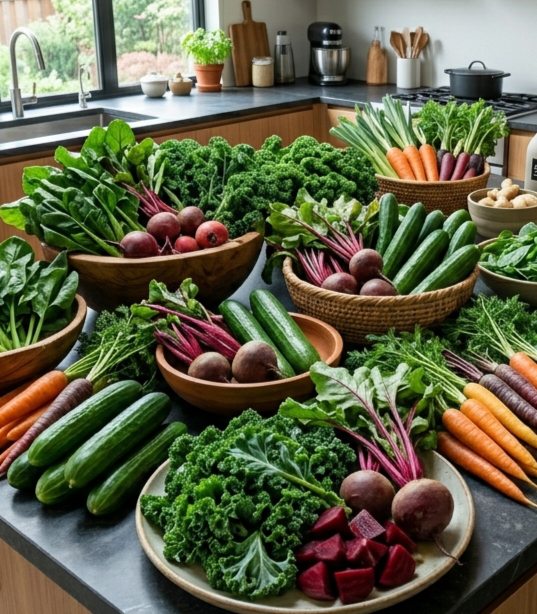
    Adding vegetables such as spinach, kale, cucumber, carrots and beetroot increase fiber, iron,folate and important minerals.

    Beetroot** is especially popular because it adds natural sweetness and a vibrant color while providing antioxidants that may support heart health and overall wellness.

    ** To know more fabulous beetroot recipes :
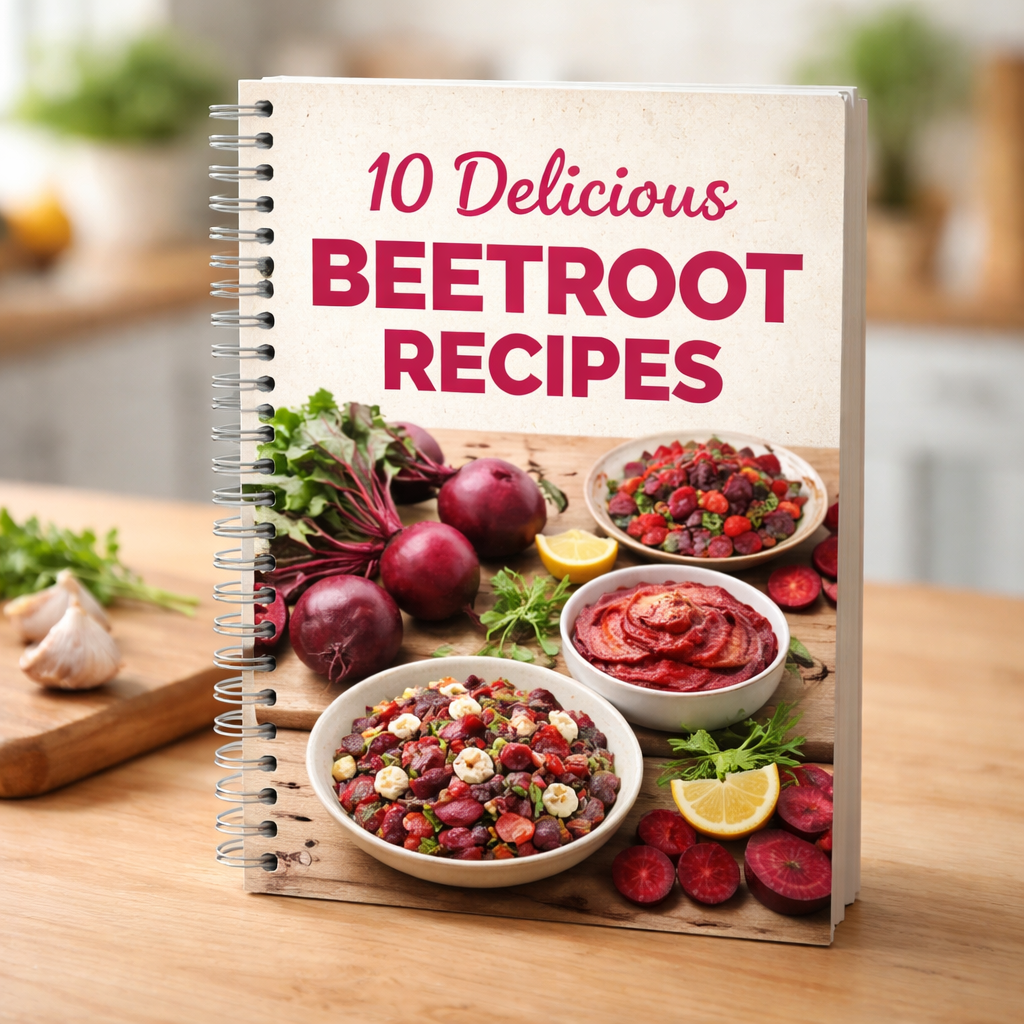
    10 Delicious Beetroot Recipes You Must Try (Healthy & Easy Ideas)


    Vegetable also help improve digestion while keeping calories relatively low.
    Fresh vegetables for smoothie including spinach, kale, cucumber, carrot and beetroot for easy nutrition


    ~ Protein : Yogurt, milk, or plant-based options

    Protein sources like Greek yogurt, milk, soy milk, tofu, or protein powder help build muscles and keep you feeling full for longer.

    ~ Healthy Fats : nuts, seeds, avocado

    Healthy fats from almonds, peanut butter, chia seeds, flaxseeds, or avocado support heart health and improve satiety.

    ~ Liquid : Water or milk

    Use water, milk, almond milk, or coconut water to blend everything smoothly and create the perfect texture.

    This combination ensures your smoothie becomes a balanced meal or healthy snack.

    1. ADDING TOO MUCH SUGAR
      • Too many fruits added sweeteners can increase calorie intake.
    2. LACK OF PROTEIN
      • Without protein, you may feel hungry quickly.
    3. USING PROCESSED INGREDIENTS
      • Pre-made smoothies often contain hidden sugars and additives.
    4. REPLACING ALL MEALS
      • Smoothies should support your diet, not completely replace whole foods.

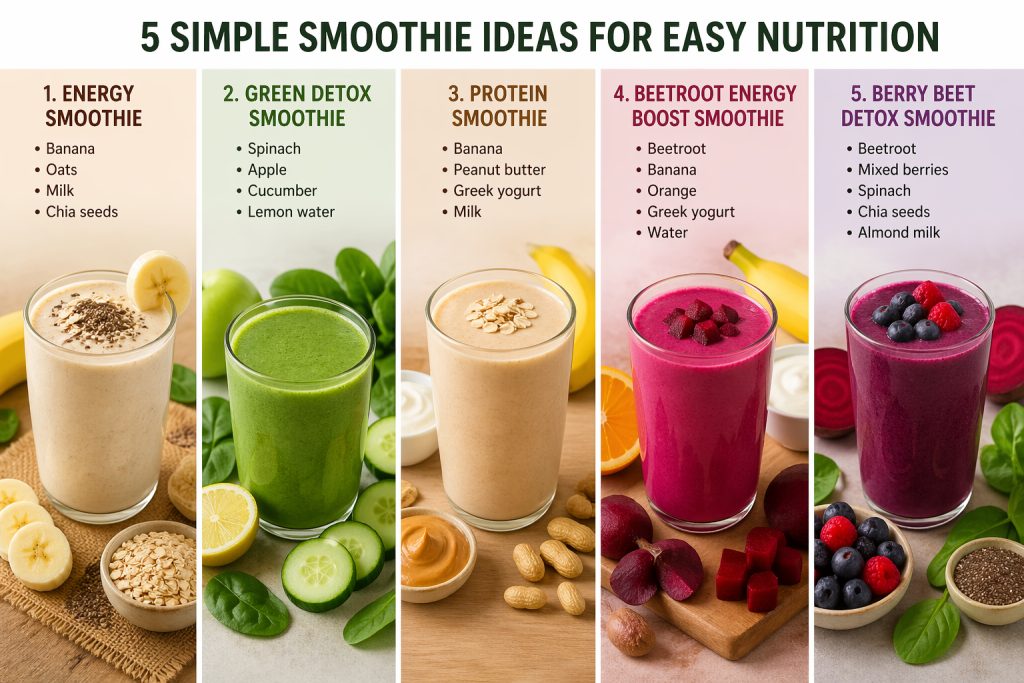
    Here are simple smoothies recipes that provide easy nutrition and fit different health goals:

    Energy Smoothie

    • Banana
    • Oats
    • Milk
    • Chia Seeds

    This smoothie provides natural carbohydrates and fiber for long-lasting energy, making it ideal for breakfast or before exercise.

    Green Detox Smoothie

    • Spinach
    • Apple
    • Cucumber
    • Lemon Water

    This refreshing smoothie is rich in vitamins, hydration, and fiber that may support digestion and overall wellness.

    Protein Smoothie

    • Banana
    • Peanut Butter
    • Greek Yogurt
    • Milk

    This smoothie is high in protein and healthy fats, helping you stay full longer and support muscle recovery.

    Beetroot Energy Boost Smoothies

    • Beetroot
    • Banana
    • Orange
    • Greek Yogurt
    • Water

    Beetroot adds antioxidants and natural nitrates that may support blood circulation and energy levels, while banana and orange provide natural sweetness.

    Berry Beet Detox Smoothie

    • Beetroot
    • Mixed Berries
    • Spinach
    • Chia Seeds
    • Almond Milk

    This smoothie combines antioxidants from berries and beetroot with fiber-rich spinach, making it a nutrient-packed option for easy nutrition.

    Five simple smoothie recipes for easy nutrition

    These recipes are simple, effective, and perfect for anyone looking for easy nutrition in daily life.

    To explore more fabulous Benefits of Beetroot , please check them out at :

    Smoothies have become popular not just because they are trendy, but because they perfectly match the needs of modern life. Today, people are busier than ever, and finding time to cook balanced meals can be difficult. Smoothies solve this problem by offering easy nutrition in a fast and practical way.

    Quick to Prepare

    One of the biggest advantages of smoothies is how little time they require. In just 3-5 minutes, you can blend a complete meal using simple ingredients like fruits, vegetables, and milk. There is no need for complicated cooking, long preparation, or multiple dishes. This makes smoothies ideal for busy mornings, working professionals, or anyone who wants a healthy option without spending too much time in the kitchen.

    Nutrient-Dense

    Smoothies pack a large amount of nutrients into one glass. By combining different ingredients, you can consume vitamins, minerals, fiber, and antioxidants all at once. According to the World Health Organization, eating enough fruits and vegetables is essential for preventing chronic diseases. Smoothies make it easier to reach this daily requirement, especially for people who struggle to eat enough whole foods throughout the day.

    Easy to Customize

    Another reason smoothies fit modern lifestyles is their flexibility. You can easily adjust ingredients based on your goals and preferences.


    For Example:
    ~ Wan to lose weight naturally > add more greens and fiber
    ~ Need more energy > include oats and bananas
    ~ Looking for muscle support > add protein like yogurt or nuts

    This level of customization allows you to create a drink that suits your exact needs, whether it’s for breakfast, post-workout recovery, or a healthy snack.

    Suitable for All ages

    Smoothies are suitable for everyone – from children to older adults. They are easy to consume, especially for people who may have difficulty chewing solid foods.


    They also help:
    ~ Children get more fruits and vegetables
    ~ Adult maintain balanced nutrition
    ~ Older adults improve nutrient intake without heavy meals

    Because of their smooth texture and simple preparation, smoothies are a practical solution for families looking to improve their overall diet.

    Healthy family drinking colorful smoothies showing smoothies suitable foe all ages for easy nutrition and healthy lifestyle

    Fits Busy and On-the-Go Lifestyles

    Modern life often involves commuting, long working hours, and limited meal breaks. Smoothies can be taken anywhere – in a bottle, to the office, or even during travel.

    This convenience reduces the need for fast food and unhealthy snacks, helping you stay consistent with healthy habits.

    Creating a Sustainable Routine

    The true power of the smoothie is its sustainability. Unlike restrictive diets that require hours of meal prep, the smoothies fits into the “cracks” of your day. By making this one small shift, you aren’t just eating better for a day; you are building a repeatable habit that supports your long-term health goals without adding more stress to your life.

    Conclusion

    Smoothies are one of the simplest ways to improve your health and maintain a balanced diet. They provide easy nutrition, helping you consume essential nutrients without complicated meal preparation.

    Supported by trusted organizations like the World Health Organization and Johns Hopkins Medicine, smoothies can help you:

    • Meet daily nutritional needs
    • Improve digestion
    • Boost energy
    • Support weight management

    The key is to focus on whole ingredients, balance your nutrients, and avoid excess sugar.

    When used correctly, smoothies are not just a trend – they are a powerful tool for building a healthier lifestyle.

    10 Healthy Habits for Busy Professionals

    Stop Dieting: 5 Smart Way to Eat Healthy Everyday

  • 10 Delicious Beetroot Recipes You Must Try (Healthy & Easy Ideas)

    10 Delicious Beetroot Recipes You Must Try (Healthy & Easy Ideas)

    Hi, I am the author, Sean, I love cooking and always desire to explore delicious culinary recipes since I know cooking for years. Today I wish to share with you the healthy and easy to prepare recipes which is 10 Delicious Beetroot Recipes here.

    Before I dive into the 10 delicious beetroot recipes, allow me to have brief introduction on Beetroot to you……

    Beetroot has quietly become one of the most popular ingredients in healthy cooking-and for good reason. It is vibrant, naturally sweet, and packed with nutrients that support overall wellness.

    In this guide to 10 Delicious Beetroot Recipes, you’ll discover just how easy it is to turn this hamble root vegetable into something exciting and flavorful.

    That is exactly where this guide helps. These 10 Delicious Beetroot Recipes are designed to be simple, practical, and suitable for everyday meals. Whether you are cooking yourself, your family, or even experimenting with meal prep, beetroot can easily fit into your routine.

    Beyond taste, beetroot is known for its high antioxidant content and its ability to support heart health and energy levels. When cooked correctly, it becomes soft, slightly sweet, and incredibly versatile.

    Yet many people still don’t use beetroot often because they are unsure how to prepare it properly. With the right techniques and recipe ideas, beetroot can become a regular part of your meals-whether in salads, smoothies, main dishes, or even desserts.

    Let we dive into today’s 10 Delicious Beetroot Recipes now !

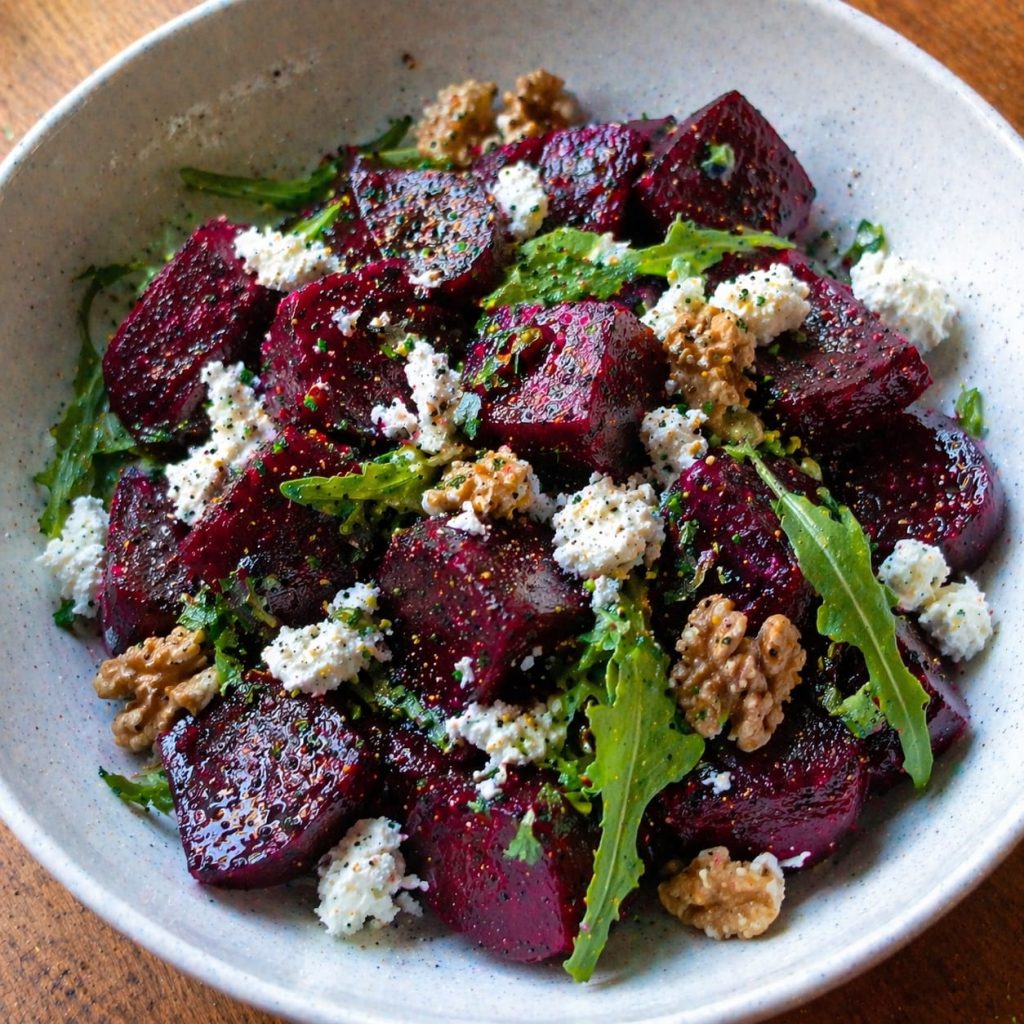
    1. Classic Roasted Beetroot Salad

    One of the easiest ways to start exploring 10 delicious beetroot recipes is with a roasted salad.

    10 delicious beetroot recipes

    Recipe Overview

    • Prep Time: 10 minutes
    • Cook Time: 35 minutes
    • Total Time: 45 minutes
    • Servings: 2 pax
    • Calories: +- 220kcal

    Ingredients

    • 2 medium beetroots (300 – 350g), cubed
    • 1 & 1/2 tablespoon olive oil
    • 1/4 teaspoon salt
    • 1/4 teaspoon black pepper
    • 2 cups arugula
    • 1/4 cup feta cheese
    • 2 tablespoons walnuts
    • 1 – 2 tablespoons balsamic glaze

    Instructions

    • Peel and cube fresh beetroot
    • Preheat oven to 200 degree
    • Toss with olive oil, salt and pepper
    • Roast for 30 – 35 minutes
    • Combine with arugula, feta cheese, and walnuts
    • Drizzle with balsamic glaze

    Why it Works?

    Roasting enhances the natural sugars in beetroot, making it sweeter and reduces earthiness.

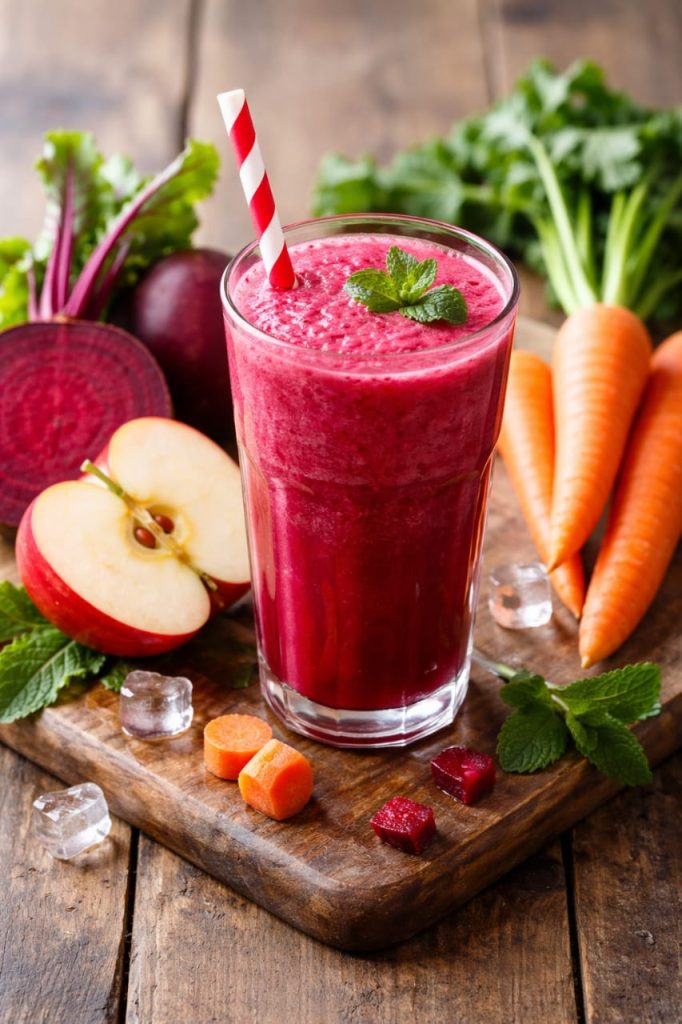
    2. Beetroot Smoothie for Daily Energy

    Among the most popular 10 delicious beetroot recipes, this smoothie stands out as one of the most searched and easiest & quickest options to prepare.

    smoothie - 10 delicious beetroot recipes

    Recipe Overview

    • Prep Time: 5 minutes
    • Cook Time: None
    • Total Time: 5 Minutes
    • Servings: 1 pax
    • Calories: +-180kcal

    Ingredients

    • 1 small beetroot (cooked or raw grated)
    • 1 banana
    • 1/2 cup mixed berries
    • 1 cup Yogurt or almond milk
    • 1 teaspoon Honey

    Instructions

    • Add all ingredients to blender
    • Blend until smooth
    • Serve immediately

    Why It Works?

    This smoothies drink supports blood circulation, provides natural energy and nutrients quickly.

    To explore more fabulous smoothie recipes, please check these out:

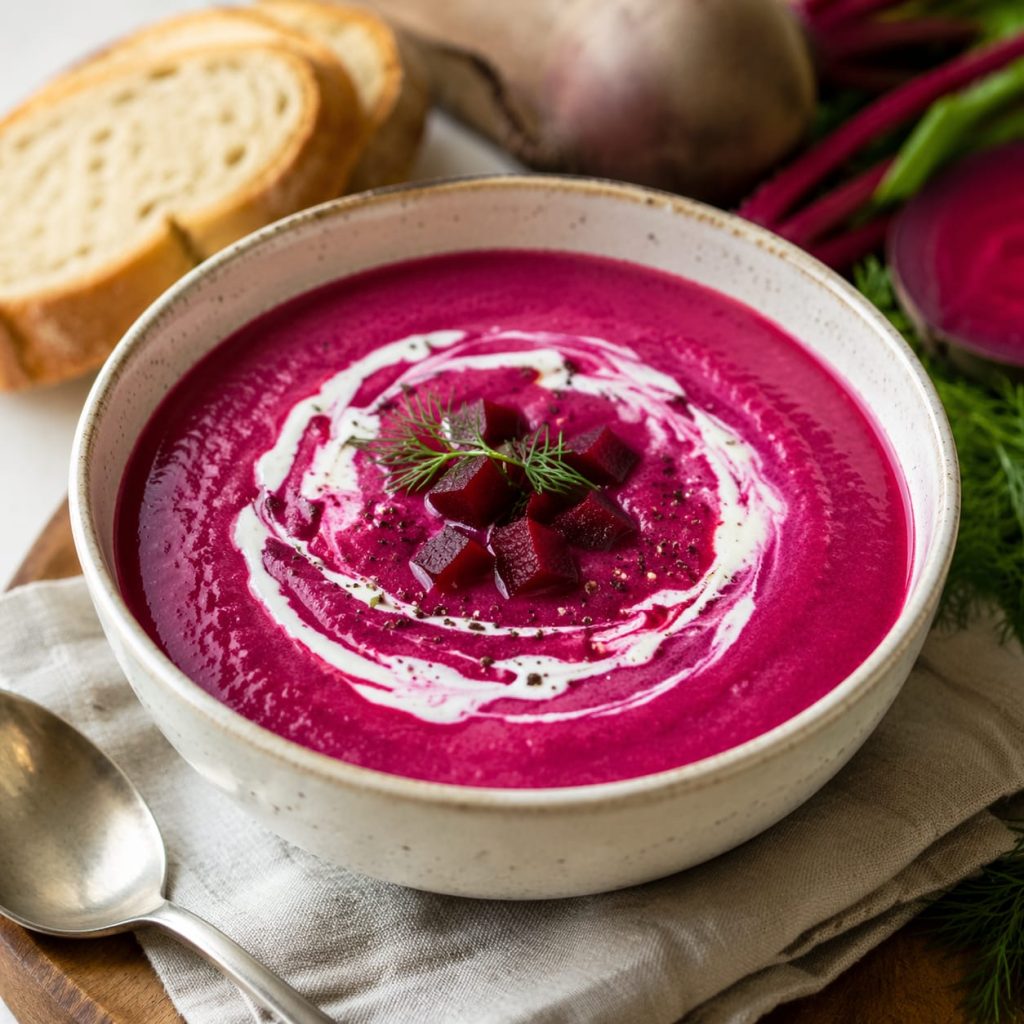
    3. Creamy Beetroot Soup

    If you want comfort food from your list of the recipes, this is a must-try.

    creamy soup - 10 delicious beetroot recipes

    Recipe Overview

    • Prep Time: 10 minutes
    • Cook Time: 25 Minutes
    • Total Time: 35 Minutes
    • Servings: 2 pax
    • Calories: +- 150kcal

    Ingredients

    • 2 medium beetroots, chopped
    • 1 small onion
    • 2 cloves garlic
    • 2 cups vegetable stock
    • 1/4 cup cream or coconut milk
    • Salt and pepper

    Instructions

    • Sauté onions and garlic
    • Add chopped beetroot and stock
    • Simmer until soft
    • Blend until creamy
    • Stir in cream and season

    Taste Profile:

    Smooth, slightly sweet, and warming.

    Why It Works?

    Smooth texture with balanced sweetness.

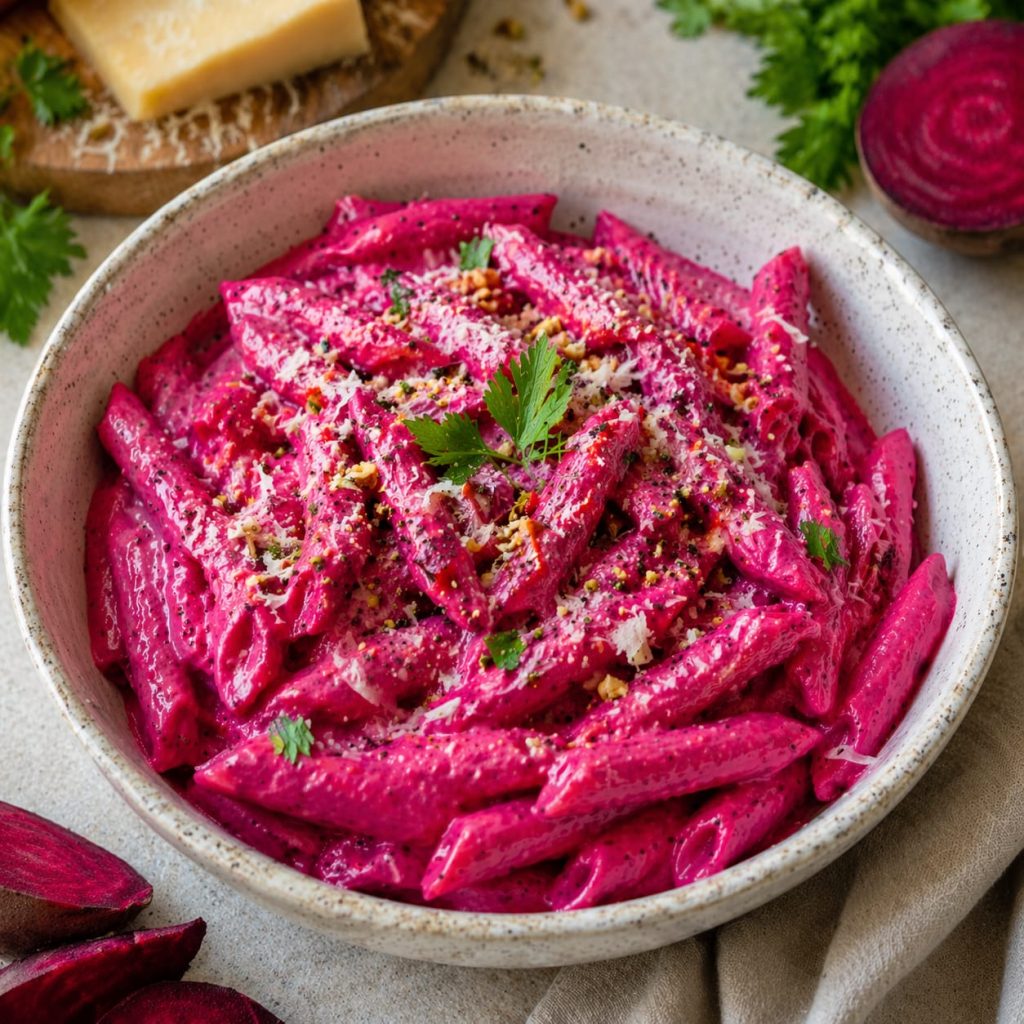
    4. Beetroot Pasta Sauce (Healthy Alternative)

    A creative highlight within the 10 delicious beetroot recipes, perfect for modern meals and has gained popularity online.

    Pasta - 10 delicious beetroot recipes

    Recipe Overview

    • Prep Time: 10 minutes
    • Cook Time: 15 minutes
    • Total Time: 25 minutes
    • Servings: 2 pax
    • Calories: +- 300 kcal

    Ingredients

    • 1 cup cooked beetroot
    • 2 cloves garlic
    • 2 tablespoons olive oil
    • 1/4 cup cashews nuts
    • 1/4 cup parmesan
    • Cooked pasta

    Instructions

    • Cook beetroot until soft
    • Blend beetroot, garlic, olive oil, parmesan, and cashews nuts
    • Toss with cooked pasta
    • Heat gently and serve

    Why It Trendy?

    Creamy, colorful, and nutritious alternative to tomato sauce.

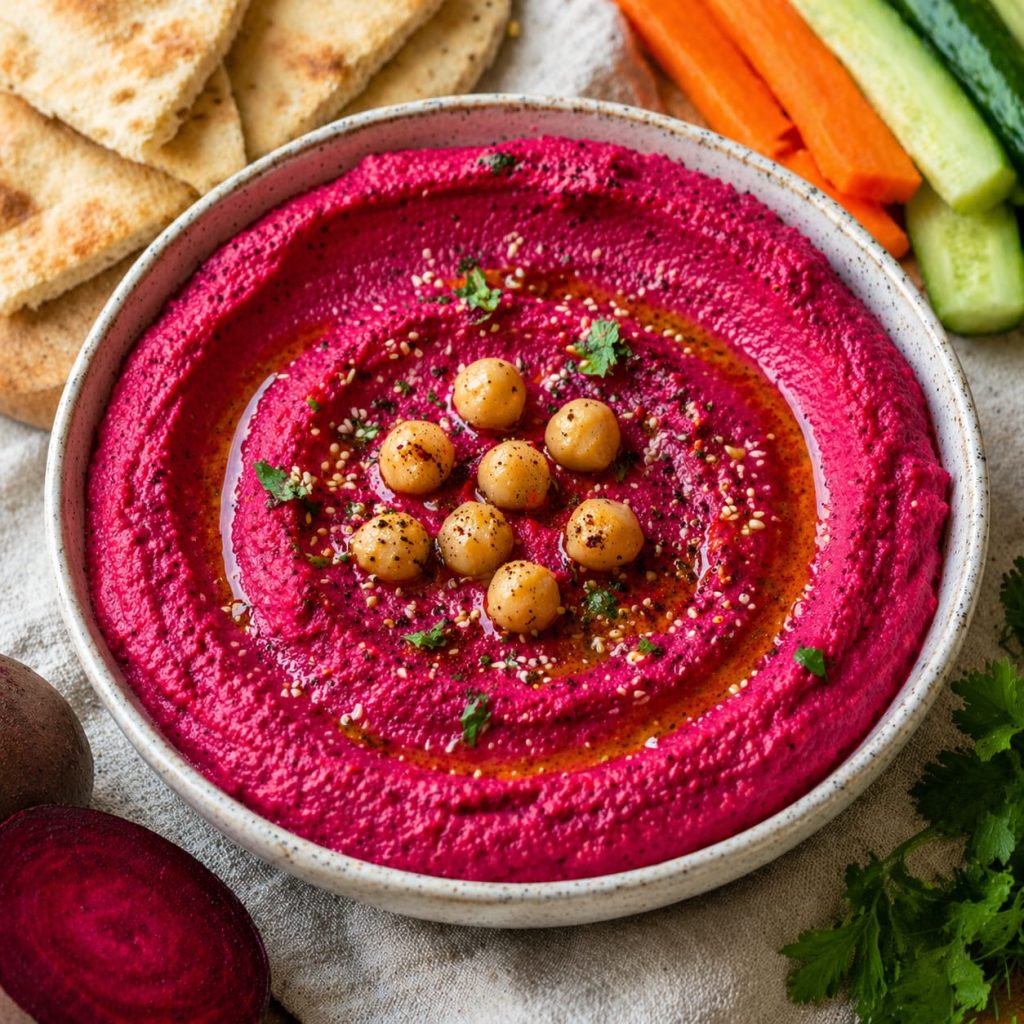
    5. Beetroot Hummus
    (Vibrant & Nutritious)

    Among the 10 delicious beetroot recipes, this beetroot hummus is a popular choice for healthy snacking, thanks for its creamy texture and rich flavor.

    hummus - 10 delicious beetroot recipes

    Recipe Overview

    • Prep Time: 10 minutes
    • Cook Time: None
    • Total Time: 10 minutes
    • Servings: 3 pax
    • Calories: +- 120 kcal

    Ingredients

    • 1 cup Chickpeas (cooked or canned, drained)
    • 3/4 cup cooked beetroot (about 1 medium size beetroot)
    • 2 tablespoons Tahini
    • 2 tablespoons Lemon Juice (freshly squeezed)
    • 1 – 2 cloves Garlic (adjust to taste)
    • 2 tablespoons olive oil
    • 2 – 4 tablespoons water (for desired consistency)
    • 1/2 teaspoon salt (or to taste)

    Optional (for extra flavor)

    • 1/2 teaspoon cumin powder
    • A pinch of black pepper
    • 1 teaspoon honey (if you prefer slightly sweeter hummus)

    Instructions

    • Blend all ingredients until smooth
    • Adjust water for consistency
    • Serve chilled

    Pro Tip

    Start with less water and blend, then gradually add more to control texture.

    Beetroot already adds moisture, so you don’t want it too runny.

    Serving Suggestions

    Perfect for snacks, wraps, or party platters.

    Why It Works?

    Creamy texture with vibrant color and flavor.

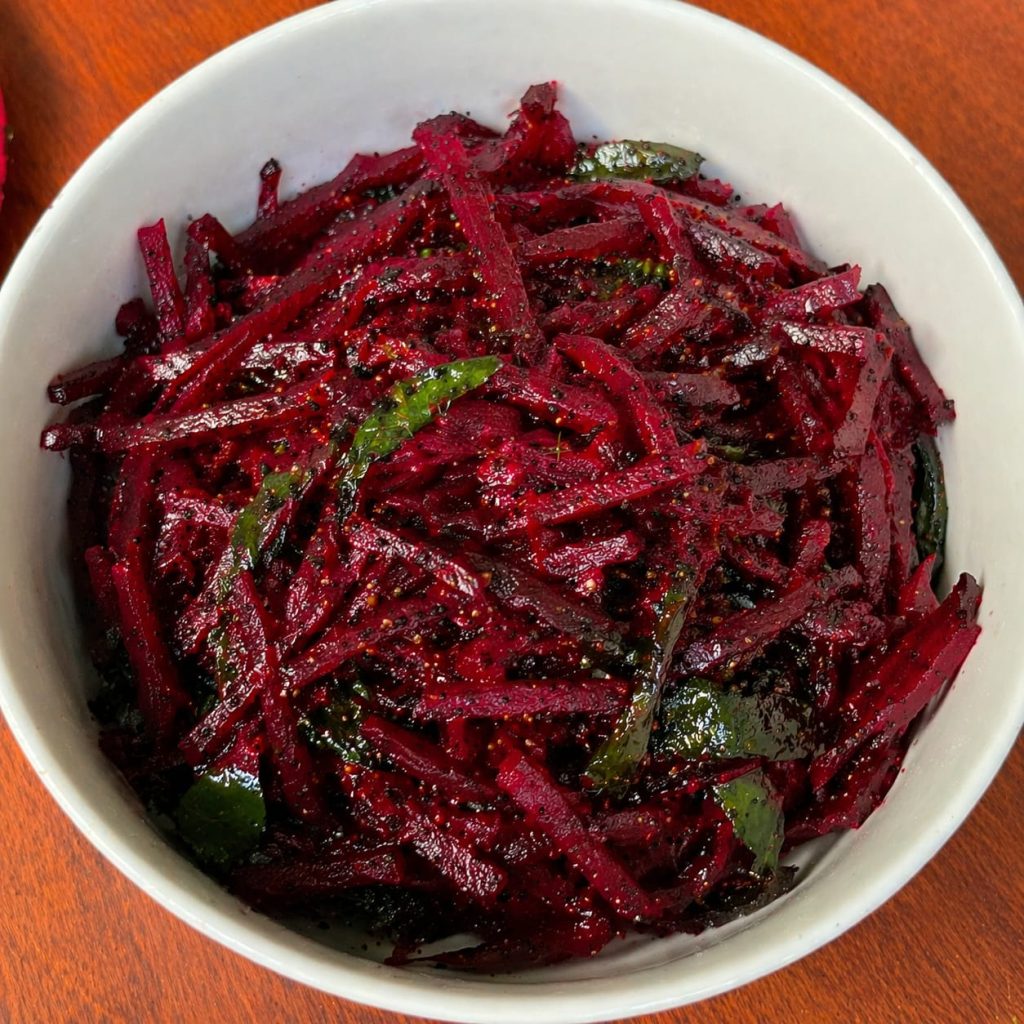
    6. Beetroot Stir-Fry

    A quick and practical dish within the 10 delicious beetroot recipes.

    stir-fry - 10 delicious beetroot recipes

    Recipe Overview

    • Prep Time: 10 minutes
    • Cook Time: 10 minutes
    • Total Time: 20 minutes
    • Servings: 2 pax
    • Calories: +- 140 kcal

    Ingredients

    • 2 cups grated beetroot
    • 1 tablespoon oil
    • 2 cloves of garlic
    • 1/2 teaspoon mustard seeds
    • Salt and chili flakes

    Instructions

    • Heat oil and add mustard seeds
    • Add garlic and beetroot
    • Stir-fry for 5 – 7 minutes
    • Season and serve

    Why It Works?

    Quick cooking preserves texture and nutritions.

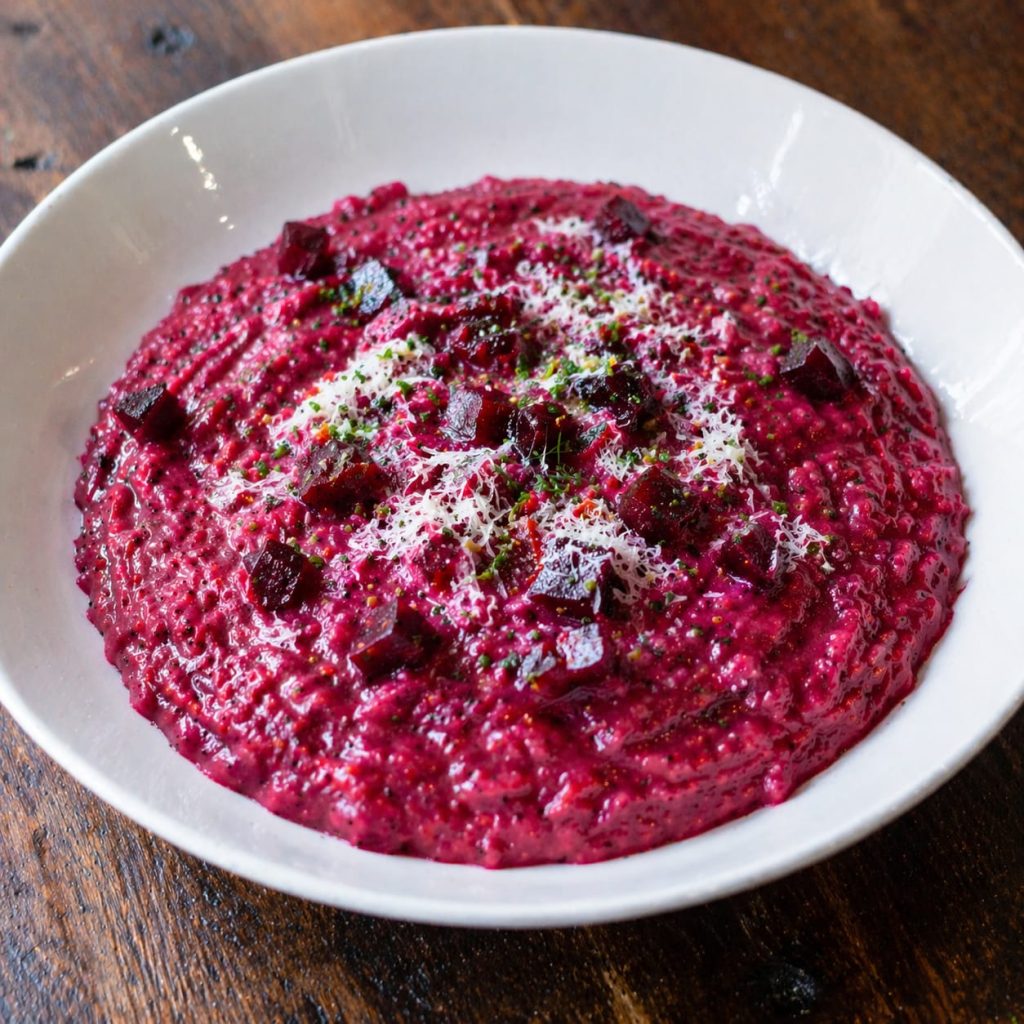
    7. Beetroot Risotto

    This recipe delivers a rich, restaurant-quality experience with its creamy consistency and deep flavor.

    risotto - 10 delicious beetroot recipes

    Recipe Overview

    • Prep Time: 10 minutes
    • Cook Time : 25 minutes
    • Total Time: 35 minutes
    • Servings: 2 pax
    • Calories: +- 350 kcal

    Ingredients

    • 1 cup arborio rice
    • 1 cup beetroot puree
    • 3 cups vegetable stock
    • 1 small onion
    • 2 tablespoons butter
    • 1/4 cup parmesan

    Instructions

    • Sauté onion in butter
    • Add rice and stir
    • Gradually add stock and beetroot puree
    • Stir until creamy
    • Add parmesan and serve

    Why It Works?

    Rich, creamy, and visually appealling.

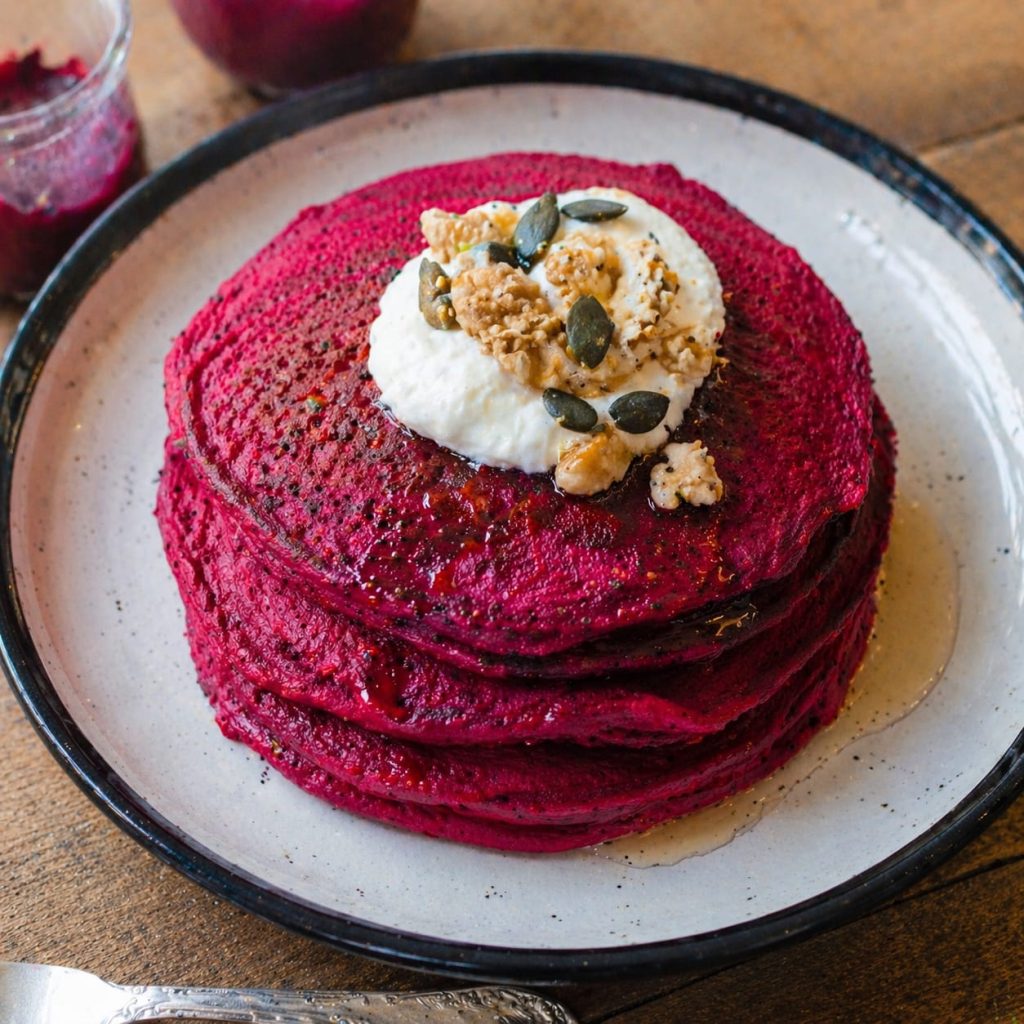
    8. Beetroot Pancakes

    A creative breakfast option from the 10 delicious beetroot recipes.

    pancakes - 10 delicious beetroot recipes

    Recipe Overview

    • Prep Time: 10 minutes
    • Cook Time: 10 minutes
    • Total Time: 20 minutes
    • Servings: 2 pax
    • Calories: +- 250 kcal

    Ingredients

    • 1 cup flour
    • 1 egg
    • 3/4 cup milk
    • 1/2 cup grated beetroot
    • 1 teaspoon baking powder

    Instructions

    • Mix all ingredients into batter
    • Cook on a pan until golden
    • Serve warm

    Why It Works?

    Adds nutrition without compromising taste.

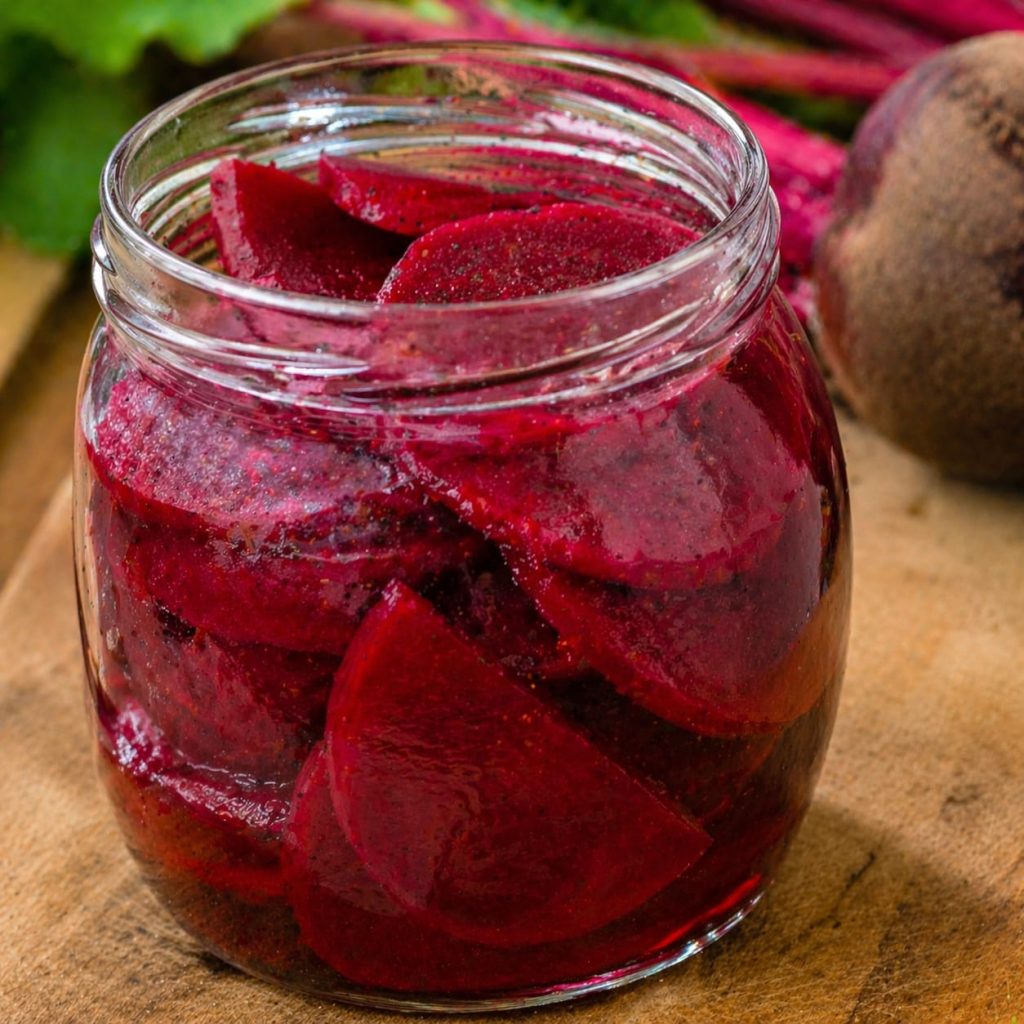
    9. Pickled Beetroot

    A reliable preservation method to keep beetroot fresh for the long winter.

    pickled - 10 delicious beetroot recipes

    Recipe Overview

    • Prep Time: 10 minutes
    • Cook Time: 10 minutes
    • Total Time: 20 minutes (+24 hours resting)
    • Servings: 4 pax
    • Calories: +- 80 kcal

    Ingredients

    • 2 cups sliced beetroot
    • 1 cup vinegar
    • 1/2 cup water
    • 2 tablesppoons sugar
    • 1 teaspoon salt
    • Spices (cloves, peppercorns)

    Instructions

    • Boil vinegar, water, sugar, and salt
    • Por over beetroot slices
    • Store in jar for 24 hours
    • Serv chilled

    Why It Works?

    Adds tangy flavor and extends shelf life.

    10. Beetroot Chocolate Cake

    A unique dessert to complete your 10 delicious beetroot recipes.

    chocolate cake - 10 delicious beetroot recipes

    Recipe Overview

    • Prep Time: 15 minutes
    • Cook Time: 35 minutes
    • Total Time: 50 minutes
    • Servings: 6 pax
    • Calories: +- 280 kcal

    Ingredients

    • 1 cup beetroot puree
    • 1 cup flour
    • 1/2 cup cocoa powder
    • 2 eggs
    • 3/4 cup sugar
    • 1/2 cup oil
    • 1 teaspoon baking soda

    Instructions

    • Preheat oven to 180 degree
    • Mix all ingredients
    • Pour into baking tin
    • Bake for 30 – 35 minutes
    • Cool and serve

    Why It Works?

    Moist, rich chocolate cake with a healthier twist.

    All 10 delicious beetroot recipes offer more than just taste – they deliver strong nutritional value.

    Key Benefits (Healthline)

    • Rich in antioxidants
    • Supports heart health
    • Improves digestion
    • Boosts stamina

    Beetroot is especially known for nitrates, which may help improve blood flow and endurance.

    Explore more benefits of beetroot, you can visit:

    To get the best results from 10 delicious beetroot recipes, keep these practical tips in mind:

    • Roast for sweetness
    • Steam to retain nutrients
    • Pair with acidic ingredients like lemon
    • Avoid overcooking

    These small adjustments can significantly improve taste and texture of beetroot.

    What are the best ways to cook beetroot?

    Roasting and steaming are ideal for maintaining flavor and nutrients in 10 delicious beetroot recipes.

    Can beetroot be eaten raw?

    Yes, raw beetroot works well in salads and smoothies.

    Are beetroot recipes good for weight loss?

    Yes, most 10 delicious beetroot recipes are low in calories and high in fiber.

    How often should you eat beetroot?

    2 – 3 times per week is a good balance for most diets.

    These 10 delicious beetroot recipes prove that beetroot is far more versatile than most people think. From quick smoothies to rich desserts, it can be adapted to suit any meal of the day.

    If you are looking for simple ways to eat healthier without sacrificing flavor, incorporating these recipes into your routine is a smart move. Once you get comfortable cooking beetroot, you’ll likely find yourself using it more often than expected.

    For a deeper understanding of how beetroot supports overall health, including heart health and improved energy levels, you can also refer to trusted medical sources like WebMD, which highlights the nutritional benefits and practical uses of beetroot in everyday diets.

  • 7 Surprising Benefits of Beetroot You Didn’t Know (Backed by Science)

    7 Surprising Benefits of Beetroot You Didn’t Know (Backed by Science)

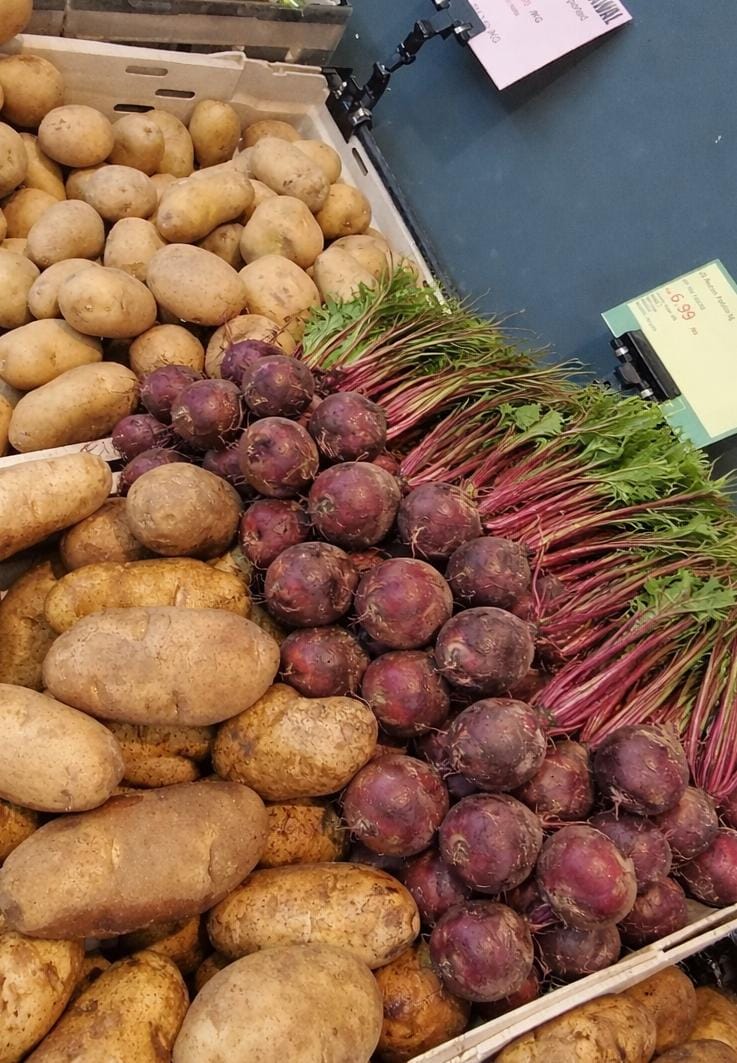
    Beetroot also known as Beta Vulgaris. It is a root vegetable known for its deep red-purple, high nutritional value and earthy flavor. Beetroot, Chard and Spinach belong to the same family. It is widely cultivated across Americas, Europe and Asia. The benefits of beetroot are highly promoted due to its rich nutritional content.

    Appearance of beetroot looks round with dark red flesh. Its taste slightly sweet with earthy undertone and both the root together the leafy greens are edible. We are going to share in depth the “7 Surprising Benefits of Beetroot ” later in this chapter.

    Beetroot is considered a super nutrient-dense food as its rich in:

    • Folate (Vitamin B9) which is good for cell growth and metabolism.
    • Dietary fiber which supports digestion and preventing constipations
    • Nitrates help to improve blood circulation and lower blood pressure.
    • Antioxidants (betalains and phenolic) may prevent cellular damage, increase immune function, slow aging process and reduce risk of chronic diseases. (National Library of Medicine, NLM)

    1. Improves Heart Health

    Beetroot is rich in natural nitrates, which convert into nitric oxide in the body.

    This helps relax blood vessels, improving circulation, and reducing the risk of heart disease.

    2. Helps Lower Blood Pressure

    Studies show beetroot juice/smoothie can significantly reduce blood pressure within hours.

    This makes it beneficial for people with hypertension.

    3. Boosts Exercise Performance

    Beetroot enhances oxygen use in muscles, improving stamina.

    Athletes often use it to increase endurance and delay fatigue.

    4. Supports Brain Function

    Improves blood flow from nitrates also benefits the brain.

    It may help enhance cognitive function and reduce age-related decline.

    5. Rich in Antioxidants

    Beetroot contains betalains, powerful antioxidants that can reduce inflammation, fight oxidative stress and support overall cellular health.

    6. Supports Liver Detoxification

    Betalains help the liver process toxins more efficiently and support natural detox pathways.

    7. Aids Digestion and Gut Health

    Beetroot is high in dietary fiber, which promotes healthy digestion, prevents constipation and supports gut bacteria balance.

    benefits of beetroot

    Tips: Regular consumption of beetroot – especially as juice or smoothies can provide compounding health benefits over time, particularly for heart health and energy levels. (Healthline)

    Beetroot contains natural sugar, it may raise blood glucose and impacting blood sugar level, and it also contains high oxalates which may contribute to kidney stone formation in susceptible individuals.

    Moreover, if anyone eating large amounts of beetroot may cause Gastrointestinal issues such as bloating, gas or stomach upset.

    Many people grumble about they encountered their urine in red color after consumption. It is fine, as which is harmless to our body due to the pigment of beetroot. The strong pigment can stain hands, clothes and surfaces.

    Because of beetroot’s nitrate content, excessive intake can over-lower blood pressure (Hypotension)and may cause dizziness, fatigue, or fainting. Higher risk if you already have low BP or take BP medication.

    While beetroot supports detox, excessive intake especially concentrated juice it may stress metabolic pathways and lead to liver overload.

    Bottom Line:

    Moderate intake is safe and beneficial, but potentially harmful to body if excessive intake.

    Practical Limit:

    1 small beetroot per day OR 3 – 4 times per week for juice.

    Individuals with High Blood Pressure need to consume regularly as beetroot’s nitrates help to lowering blood pressure and especially beneficial for people with Hypertension.

    Regular intake can support vascular health and reduce cardiovascular risk.

    Athletes and Physically Active Individuals consume beetroot regularly will improve oxygen efficiency and endurance. It helps delay fatigue during training, workouts or exercises.

    Beetroot commonly used as a natural performance enhancer.

    Older Adults are recommended to consume regularly as the benefits of beetroot may help reducing risk of age-related cognitive decline, maintaining mental sharpness and enhance blood flow to the brain.

    People with Mild Iron Deficiency can benefit from including beetroot in their regular diet, as it contains iron and supports the production of red blood cells.

    While it is not a standalone treatment, beetroot can contribute to improving iron levels when combined with a balanced diet rich in other iron sources.

    This makes it particularly helpful for individuals at risk of iron deficiency anemia, especially when consumed alongside vitamin C-rich foods that enhance iron absorption.

    Individuals seeking Detoxification and Improved Liver Health may benefit from incorporating beetroot into their diet.

    Beetroot contains betalains, natural compounds known to support liver function and assist the body’s detoxification.

    While it is not a cure-all, adding beetroot as part of a balanced, nutrient-rich diet can complement a clean eating lifestyle and support overall metabolic health.

    People with mild Digestive Issues can benefit from adding beetroot to their diet, mainly because of its high fiber content.

    Fiber helps support gut health by promoting smoother digestion and improving bowel movements.

    This makes beetroot especially useful for those dealing with occasional constipation, as it can regulate the digestive system in a natural and gentle way.

    People with Low Energy or Fatigue consume beetroot regularly can naturally boost energy levels over time. Moreover, beetroot improves blood circulation and oxygen delivery, and this helps mental clarity.

    Practical Recommendations:

    • Best form to consume beetroot: fresh juice, smoothies, or lightly cooked.
    • Ideal frequency: 3 – 5 times per week.

    People Prone to Kidney Stones should be careful with regular eating of beetroot regularly as beetroot is high in oxalates, which can contribute to stone formation.

    This becomes especially risky for those with a history of Kidney stones, since frequent intake may increase the chances of recurrence.

    Individuals with Low Blood Pressure should be cautious when consuming beetroot regularly, as it naturally lowers blood pressure.

    While this can be beneficial for some, frequent intake may lead to dizziness or even fainting in people with Hypotension.

    Individuals with Sensitive Digestive Systems should be mindful when consuming beetroot frequently, as it can sometimes cause bloating, cramps, or even diarrhea when consumed beetroot frequently.

    This makes it less suitable for individual with conditions like irritable bowel syndrome, where certain high-fiber or fermentable foods may trigger discomfort.

    People on Blood Pressure or Nitrate-Based Medications should be avoid eating beetroot regularly, as it can amplify the effects of these medications.

    When combined, this may cause blood pressure to drop too low, leading to potential symptoms like dizziness or weakness.

    People with Iron Overload Conditions should less consume of beetroot, because it contains iron that may not be suitable for their condition.

    This especially important for individuals with Hemochromatosis, where excess iron can accumulate in the body and lead to health complications.

    Final Thoughts

    Beetroot offers several important health benefits when consumed in moderation. It supports heart health, improves blood circulation, and provides essential nutrients that contribute to overall well-being.

    At the same time, the benefits of beetroot nay not apply equally to everyone, as individuals with kidney stone risk, low blood pressure, or certain medical conditions should be more cautious with regular intake.

    Overall, moderation is key to safely enjoying its nutritional value.

    Beetroot is Versatile in Cooking

    Beetroot is highly versatile in cooking and can be easily included in daily meals in different forms. It can be eaten raw in salads, boiled, roasted, or even steamed depending on preference and texture.

    Its natural sweetness also makes it suitable for both savory and slightly sweet dishes.

    In many Asian households, beetroot is commonly cooked together with pork ribs or chicken to make nourishing soups.

    In countries such as Russia, Poland, and across Eastern Europe, beetroot is widely pickled and plays an important role in traditional dishes like borscht. Pickled beetroot can be stored for long periods, making it especially useful during the winter months.

    Similarly, in Australia and New Zealand, pickled beetroot is popular as a condiment, often added to sandwiches and burgers.

    The Recipe of Beetroot # 1

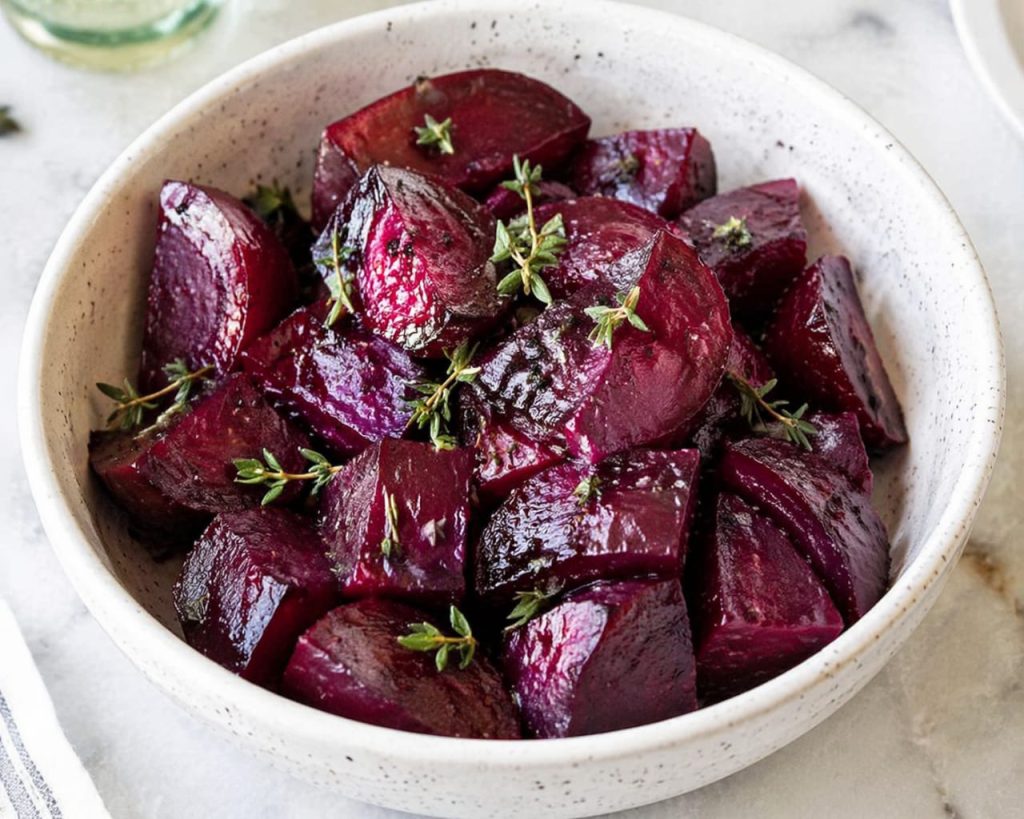
    Roasted Beetroot Dish (Healthy Side Recipe)

    roasted beetroot - benefits of beetroot

    Ingredients:

    • 2 medium beetroots (peeled and cut into cubes)
    • 1 tablespoon olive oil
    • Garlic (minced)
    • Salt, pepper, and herbs (optional)

    Method: Roast the beetroot cubes in an oven at 180 degrees for 25 – 30 minutes until tender. Toss with olive oil, garlic, and seasoning before serving. This enhances its natural sweetness.

    The Recipe of Beetroot # 2

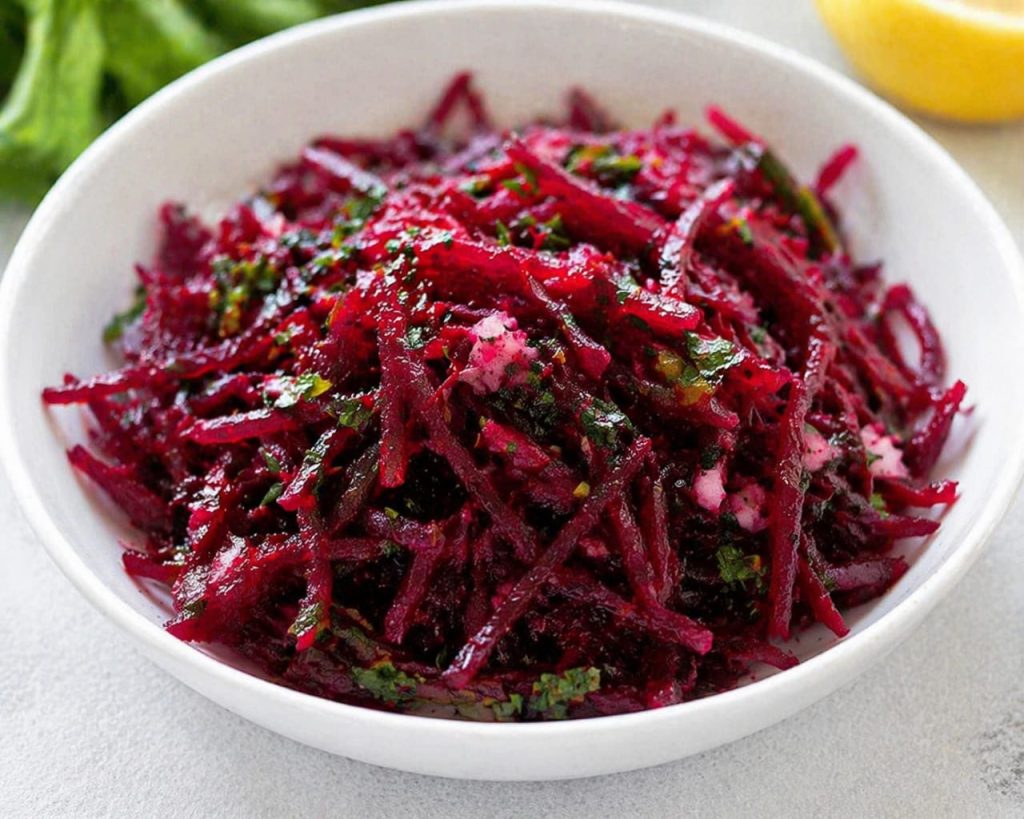
    Simple Beetroot Salad (Quick Recipe)

    salad - benefits of beetroot

    Ingredients:

    • 1 boiled beetroot (sliced of grated)
    • 1 cucumber (sliced)
    • 1 tablespoon olive oil
    • Lemon juice
    • Pinch of salt and pepper

    Method: Mix all ingredients in a bowl and serve fresh. This simple salad is light, refreshing, and preserves the natural nutrients of beetroot.

    The Recipe of Beetroot # 3

    One of the most popular ways to consume beetroot is through drinks, especially juices and smoothies. It blends well with fruits and vegetables such as apples, bananas, carrots, oranges, and berries, helping to balance its earthy taste while boosting nutritional value.

    Beetroot Smoothie (Energy Boost Recipe)

    smoothie - benefits of beetroot

    Ingredients:

    • 1 small raw beetroot (peeled and chopped)
    • 1 banana
    • 1/2 cup strawberries
    • 1 cup milk or plant-based milk
    • 1 teaspoon honey (optional)

    Method: Blend all ingredients until smooth and creamy. Serve chilled. This smoothie is commonly used for energy, recovery, and overall wellness.

    To explore more fabulous Beetroot Recipes, please check them out at :

    Conclusion

    Beetroot stands out as a versatile superfood with wide applications in health, fitness, and daily nutrition. The benefits of beetroot extend beyond basic nutrition, supporting better stamina, improved exercise performance, and enhanced energy levels, making it especially valuable for active individuals and fitness-focused lifestyle.

    In addition to its health and fitness value, beetroot is highly adaptable in the kitchen. It can be enjoyed in salads, roasted dishes, juices and smoothies, making it easy to incorporate into everyday meals while enjoying the benefits of beetroot in a variety of enjoyable ways.

    Overall, the benefits of beetroot make it a powerful addition to a balanced diet. When consumed appropriately and matched to individual health needs, it can support long-term wellness while adding both nutrition and variety to everyday eating habits.

  • Beginner’s Guide to Home Baking: Easy Recipes and Daily Baking Tips

    Beginner’s Guide to Home Baking: Easy Recipes and Daily Baking Tips

    Home baking is more that just making cakes or cookies – it’s a rewarding habit that brings comfort, creativity, and healthier eating into your daily life.Whether you’re completely new or just starting to explore baking at home, this beginner baking guide will help you build confidence with simple recipes and practical daily baking tips.

    If you’re already working in improving your Homemade Cooking Habits, baking is a powerful extension of that journey. It encourages consistency, portion control, and a deeper understanding of ingredients.

    Why Start Home Baking ?

    Many beginners hesitate to start baking because they think it’s complicated or requires special skills. In reality, baking can be simple if you follow the right approach, especially when using a beginner baking guide to get started step by step.

    Here are a few reasons why home baking is worth trying:

    When baking at home, it is also important to follow proper food safety and hygiene practices. According to the U.S.Department of Agriculture(USDA), safe food handling, correct storage of ingredients, and proper cooking temperatures are essential to prevent food borne illness and ensure safe homemade baking.

    Just like developing strong Homemade Cooking Habits, following a beginner baking guide helps you stay consistent with healthier food choices and build confidence in the kitchen.

    You don’t need a professional kitchen to start baking. A few basic tools are enough:

    • Mixing bowls
    • Measuring cups and spoons
    • Oven ( or toaster oven)
    • Baking tray or cake pan
    • Whisk or hand mixer
    • Spatula

    Start simple. Avoid overbuying equipment at the beginning. Focus on learning techniques first.

    beginner baking guide equipment at the beginning

    Baking is precise, but once you understand the core ingredients, everything becomes easier.

    1. Flour
    The structure of your baked goods. All purpose flour is best for beginners.

    2. Sugar
    Adds sweetness and affects texture.
    Less sugar = less soft texture.

    3. Eggs
    Provide structure, moisture, and richness.

    4. Butter or Oil
    Adds flavor and softness.

    5. Baking Powder / Baking Soda
    Helps your baked goods rise.

    6. Milk or Liquid
    Creates the right batter consistency.
    Golden Rule :
    Baking is science. Small changes can affect the result – so follow recipes carefully as the start.

    Start with simple recipes that require minimal steps and ingredient.

    1. Basic Vanilla Cupcakes

    Ingredients :

    • 1 cup flour
    • 1/2 cup sugar
    • 1/2 cup butter
    • 2 eggs
    • 1 tsp baking powder
    • 1/2 cup milk
    • 1 tsp vanilla extract

    Steps :

    1. Preheat oven to 180 degree Celsius
    2. Mix butter and sugar until smooth
    3. Add eggs and vanilla
    4. Mix in flour and baking powder
    5. Add milk and stir
    6. Pour into cups and bake for 20 minutes.

    2. Simple Banana Bread

    Perfect for beginners and reduces food waste.

    Ingredients :
    * 2 ripe bananas
    * 1 cup flour
    * 1/2 cup sugar
    * 1 egg
    * 1/4 cup oil
    * 1 tsp baking soda
    Steps :
    1. Mash Bananas
    2. Mix all ingredients
    3. Pour into a loaf pan
    4. Bake at 180 degree Celsius

    3. Three – Ingredients Butter Cookies

    These cookies are perfect for beginners – SIMPLE, QUICK, and DELICIOUS.

    Ingredients :
    * 1 cup butter (softened)
    * 1/2 cup sugar
    * 2 cups all-purpose flour

    Instructions :

    1. Preheat your oven to 180 degree celsius.
    2. In a bowl, cream the butter and sugar until smooth and fluffy.
    3. Gradually add in the flour and mix until a soft dough forms.
    4. Roll the dough into small balls and place them on a baking tray.
    5. Gently flatten each cookie with a fork or your hand.
    6. Bake for 12-15 minutes or until the edges turn lightly golden.
    beginner baking guide homemade butter cookies

    TIPS :

    • Do not over mix the dough – it can make cookies hard
    • If the dough is too soft, chill it for 10-15 minutes
    • You can add vanilla or chocolate chips for extra flavor

    Consistency is key. These simple tips will help you improve daily.

    1. Start Small and Simple
    Don’t jump into complicated cakes. Master basics first.
    2. Follow Recipes Exactly
    Unlike cooking , baking requires accuracy.
    3. Measure Properly
    Use measuring tools – don’t estimate.
    4. Preheat Your Oven
    Always preheat to ensure even baking.
    5. Learn from Mistakes
    Burnt cake ? Too dry ? That’s part of process.
    6. Practice Consistency
    Bake regularly- even once a week builds skill.

    This mirrors the principle behind strong Homemade Cooking Habits – consistency beats perfection.

    Avoid these common errors:

    Common MistakesConsequences
    Over mixing BatterLeads to Dense Cakes
    Wrong Oven TemperatureToo Hot = Burnt Outside, Raw Inside
    Skipping IngredientsEach Ingredient has a Purpose
    Opening Oven Too OftenHeat Escapes and Affects Baking

    Many people think baking is unhealthy – but that depends on your choices.

    When done right, home baking can support your health goals:

    Control sugar and oilUse whole ingredientsAvoid preservativesPractice portion control

    This aligns perfectly with building long-term homemade cooking habits, where the focus is not just taste- but sustainability and health.

    In addition, healthy eating habits also play an important role in baking choices. The UK National Health Service (NHS) emphasizes balanced nutrition, portion control, and reducing excess sugar and saturated fats in daily diets. Applying these principles to home baking helps beginners create healthier versions of their favorite treats while maintaining enjoyment.

    If you want to improve faster, treat baking as part of your lifestyle- not just an occasional activity. Like any skill, consistency is what builds confidence and results,especially when following a beginner baking guide. You don’t need to bake everyday, but having a simple and realistic routine from a beginner baking guide helps you stay on track without feeling overwhelmed.

    Weekly Plan Example:

    Monday : Read a new recipe

    Read or watch one new recipe, understand the ingredients and steps involved, and take note of anything unfamiliar, as this helps you build knowledge gradually without pressure.

    Wednesday : Practice a simple bake

    Try a simple recipe like cookies, cupcakes, or banana bread, focus on accuracy in measuring, mixing, and timing, and observe the results – whether it’s too dry or too soft – as this is where real improvement happens.

    Weekend : Experiment (Confidence Growth)

    Try something slightly new or different by adjusting the sugar level, adding toppings, or changing flavors, and bake for family or friends, as this helps build creativity and enjoyment.

    ” If you want to build long-term consistency in the kitchen, check out my full guide on Homemade Cooking Habits.”

    Final Thoughts

    Home baking is not about perfection – it’s about consistency, learning, and enjoyment.

    Start simple.

    Follow the Basics.

    Practice regularly.

    Overtime, you’ll not only improve your baking skills but also develop a healthier and more sustainable lifestyle.

    Most importantly, baking is a powerful extension of your Homemade Cooking Habits. It transforms your kitchen from a place of occasional cooking into a daily routine of creativity, control, and well-being.

    ConclusionYou don’t need to be an expert to start baking — YOU JUST NEED TO START.

    With easy recipes, simple tools, and daily consistency, anyone can become confident in home baking. Focus on progress, not perfection.

    AND REMEMBER :

    Golden Rule: Consistency is more important than perfection.

    Build your baking journey step by step, and connect it with your overall homemade cooking habits for long-term success.

    ? FAQ – Beginner’s Guide to Home Baking: Easy Recipes and Daily Baking Tips1. What is the best way to start baking as a beginner?

    The best way to start is by following a beginner baking guide with simple recipes like cookies, banana bread, or cupcakes. Focus on basic techniques such as measuring ingredients correctly and following step-by-step instructions.

    2. What are the easiest recipes for beginner home bakers?

    Some of the easiest recipes include 3-ingredients butter cookies, banana bread, and simple vanilla cupcakes. These recipes require minimal ingredients and are perfect for learning basic baking skills.

    3. Do I need special equipment for home baking?

    NO, beginners only need basic tools such as a mixing bowl, measuring cups, a baking tray, and an oven. You don’t need professional equipment to start baking at home.

    4. How often should a beginner bake to improve?

    A beginner should try baking at least 1-2 times per week. Consistency is more important than quantity, as regular practice helps build confidence and improve skills over time.

    5. Why is home baking better than buying baked goods?

    Home baking allows you to control ingredients, reduce sugar, and avoid preservatives. It is also more cost-effective and helps you develop healthier eating habits over time.

    6. Can baking help improve daily lifestyle habits?

    YES, baking regularly can build discipline, reduce stress, and encourage healthier food choices. It also supports better homemade cooking habits, making your lifestyle more balanced and consistent.

  • Homemade Cooking Habits : 7 Simple Ways to Eat Healthier Every Day

    Homemade Cooking Habits : 7 Simple Ways to Eat Healthier Every Day

    Why Homemade Cooking Habits Matter

    In today’s fast-paced world, many people depend on fast food, delivery meals, and processed snacks. While convenient, these foods often contain excessive salt, sugar, and unhealthy fats that can slowly affect long-term health.

    Developing homemade cooking habits is one of the most effective lifestyle changes you can make. It does not require advanced cooking skills or expensive ingredients. Instead, it is about consistency, awareness, and making better daily food choices.

    Cooking at home gives you full control over your ingredients, portion sizes, and cooking methods. This helps improve digestion, maintain a healthy weight, increase energy levels, and reduce the risk of chronic diseases.

    The goal is not perfection – but progress through small daily habits that last.

    Meal planning is the foundation of healthy cooking habits. Without planning, it is easy to fall back into unhealthy food choices.

    Start small:

    • Plan 3 to 5 meals per week
    • Keep meals simple and realistic
    • combine protein, carbohydrates, and vegetables

    Example meals:

    • Grilled chicken with vegetables and rice
    • Egg stir-fry with mixed greens
    • Oatmeal with fruits and nuts

    Meal planning helps reduce stress, saves money, and ensures you always have a healthy option available. Over time, this habit becomes the backbone of your Homemade Cooking Habits lifestyles.

    Healthy cooking starts before you enter the kitchen – it begins at the grocery store.

    Focus on whole, natural foods:

    • Fresh vegetables like spinach, carrots, and broccoli
    • Lean proteins such as chicken, fish, tofu, and eggs
    • Whole grains like brown rice, oats, and quinoa
    • Healthy fats like olive oil, nuts, avocado

    Try to avoid:

    • Processed frozen meals
    • sugary drinks and snacks
    • Foods with long ingredients lists

    A simple rule : if the ingredients look artificial or overly processed, it is better to avoid them. Fresh ingredients improve both nutrition and flavor naturally.

    Many people give up cooking because they think healthy meals are complicated. In reality, simplicity leads to consistency.

    You don’t need fancy recipes. focus on:

    • 5 to 7 ingredients per meal
    • Quick cooking methods like stir-frying, steaming, or grilling
    • Basic seasoning using herbs and spices

    Example simple dish: Chicken + Garlic + Vegetables + Soy Sauce + Rice

    Simple homemade meal
    Grill Chicken on top ; cabbage fry with garlic + Soy Sauce ; Rice at the bottom

    Simple cooking reduces stress and helps you stay consistent. The goal is to make cooking easy enough that you can repeat it daily without pressure.

    Health experts like the World Health Organization highlight the importance of balanced nutrition and reducing processed ingredients.

    One of the biggest benefits of homemade cooking habits is control over ingredients.

    Restaurant and processed foods often contain:

    • High levels of salt for taste enhancement
    • Hidden sugar in sauces and drinks
    • Unhealthy oils used for deep frying

    At home, you make healthier choices:

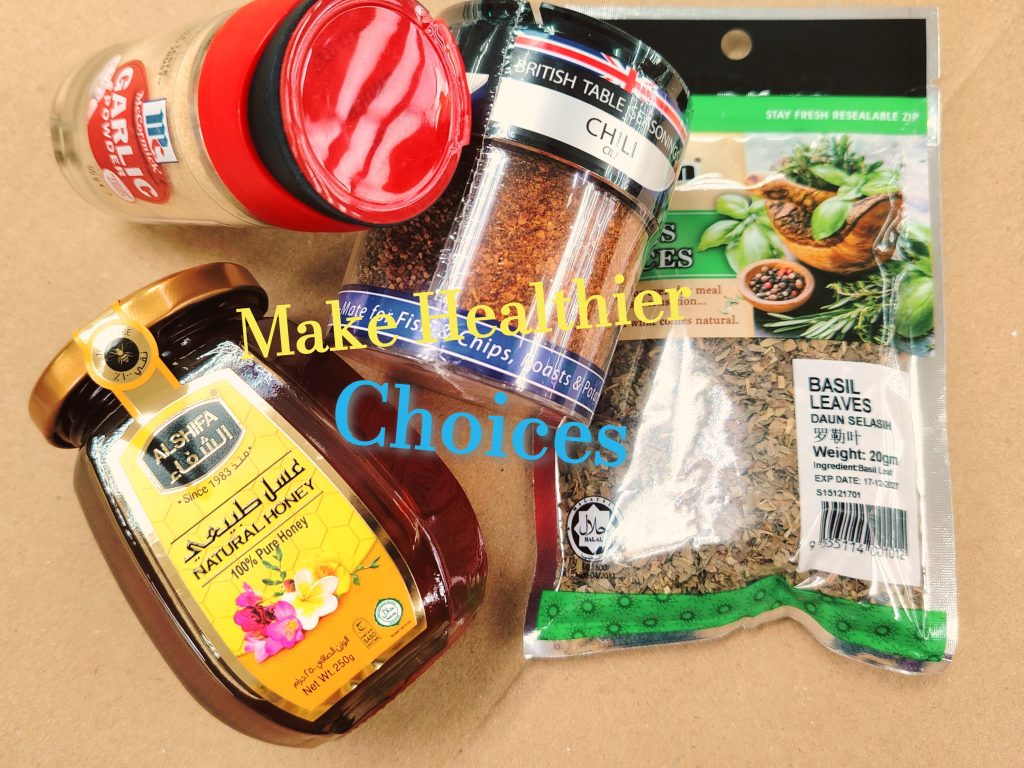
    • Use Herbs, garlic, and spices instead of excess salt
    • Replace refined sugar with natural sweetness like fruit or honey
    • Choose healthier oils such as olive or coconut oil
    Homemade cooking healthier choices

    These small adjustments can significantly improve heart health, blood pressure, and overall well-being over time.

    According to the World Health Organization, reducing salt, sugar, and unhealthy fats is essential for long-term health. Similarly, Harvard T.H.Chan School of Public Health emphasizes the importance of balanced meals and whole ingredients when building sustainable eating habits.

    Meal prepping is one of the most effective strategies for maintaining healthy eating habits.

    Instead of cooking everyday, you can prepare meals in advance.

    Benefits include:

    • Saves time during busy weekdays
    • Reduces the temptation to order fast food
    • Helps control portion sizes
    • Ensures balanced nutrition

    Example: Cook chicken, rice, and vegetables in bulk and store them in containers for 2-3 days.

    This method supports consistency and make your homemade cooking habits easier to maintain even with a busy lifestyles.

      Healthy eating does not mean giving up all treats. The key is making better versions at home.

      Instead of buying processed desserts, try:

      • Whole grain bread
      • Banana cakes with natural sweetness
      • Low-sugar muffins
      • Oat cookies

      Homemade baking allows you to:

      • Control sugar and fat levels
      • Avoid preservatives
      • Use healthier ingredients

      It also turns cooking into a creative and enjoyable activity, not just a daily task.

      If you’re new baking, you can start with a Beginner’s Guide to Home Baking: Easy Recipes and Daily Baking Tips, where simple recipes and practical tips help you build confidence in the kitchen.

      The final step is mindset.

      Cooking should not feel like an obligation. It should become part of your lifestyle.

      Start with small actions:

      • Cook at least one meal at home daily
      • Slowly increase home cooked meals over time
      • Make cooking enjoyable with music or family involvement
      • Try new recipes occasionally

      Consistency matters more than perfection. Over time, cooking becomes a natural habit rather than something you force yourself to do.

      ? FAQ Section

      1. What are homemade cooking habits?

      They are daily practices of preparing meals at home using fresh and healthy ingredients.

      2. Why is cooking at home healthier ?

      Because you control ingredients, portion sizes, and avoid processed foods.

      3. Can beginners start cooking at home easily?

      YES, by starting with simple recipes and basic ingredients.

      4. Does home cooking help with weight control?

      YES, it helps regulate calorie intake and improve nutrition balance.

      Understanding the Why Homemade Food is Better: Healthy Cooking Benefits You Should Know can also motivate you to stay consistent, as it highlights the long-term health benefits of cooking at home.

      Building strong Homemade Cooking Habits is one of the most sustainable ways to improve your health naturally. It does not require strict dieting or complicated recipes. Instead, it is about making small, consistent improvements everyday like meal planning, choosing fresh ingredients, and cooking simple meals.

      Over time, these habits will improve your energy, support weight management, and reduce health risks. Most importantly, it helps you build a sustainable lifestyle that you can maintain for years.

      Healthy living begins in your kitchen – and every meal is a new opportunity to take care of your body.

    • Stop Dieting: 5 Smart Way to Eat Healthy Everyday

      Stop Dieting: 5 Smart Way to Eat Healthy Everyday

      A lot of people who heard about diet will link it to Eat Less and not Eating Healthy. This is the most wrong concept, that’s why not many people succeed in well managing weight control. Instead, it’s important to focus on how to Eat Healthy.

      I used to think eating healthy meant strict dieting and cutting out all my favorite foods. Unfortunately, it never lasted every time I tried. I felt tired and even got headaches when I changed my habits too quickly.

      **caffeine withdrawal cause headache

      Learning to Eat Healthy allowed me to enjoy my meals without guilt. I also realized that eating healthy everyday is about building something simple that can fit into our daily life. There is no shortcut way.

      1. Important of Balance, Not Restriction

      In order to control our body weight well and eat healthily, we should eat a balanced diet rather than cutting out foods. Restrictive dieting can cause our body to lack vitamins and affect our health in the long run.

      Every meal should contain carbohydrate, protein and fiber. My simple formula is 50% fiber, 25% protein and 25% carbohydrate on each plate meal.

      Carbohydrates provide the primary source of energy throughout the day. They not only steady your energy but also fuel your brain, support physical activity, and help you stay active. Without enough carbohydrate, you will feel tired and weak.

      Protein aids build and repair body muscle. Besides that, it’s also helps stabilize blood sugar. However, consuming too much protein can place a metabolic burden on the body, particularly on the kidneys.

      Fiber is essential for a healthy digestive system. It helps you feel full and satisfied and also improves gut health. Foods rich in fiber include vegetables, fruits, and whole grains.

      Eating healthy is not about cutting food or eating less – it’s about BALANCE. A balanced plate can be simple: brown rice for carbohydrate, grilled chicken for protein, and vegetables for fiber. This combination provides the nutrients your body needs without overcomplicating your diet.

      (For more details)

      2. Sugar Control

      Eating Healthy not equal to cutting sugar quickly and making food taste bland. I started by reducing the sugar in my daily morning coffee to 1.5 teaspoons, then to 1 teaspoon instead of 2 teaspoons at the beginning.

      Many foods contain hidden sugar, such as drinks, sauces and packaged snacks, which can make it difficult to eat healthily. Whenever you have a craving, try making these foods at home. This allows you to choose ingredients that already have natural sweetness such as berries for smoothies, sweet vegetables like carrots or pumpkin for sauces and bananas for snacks. By preparing food yourself, you can enjoy tasty meals while maintaining a healthy diet.

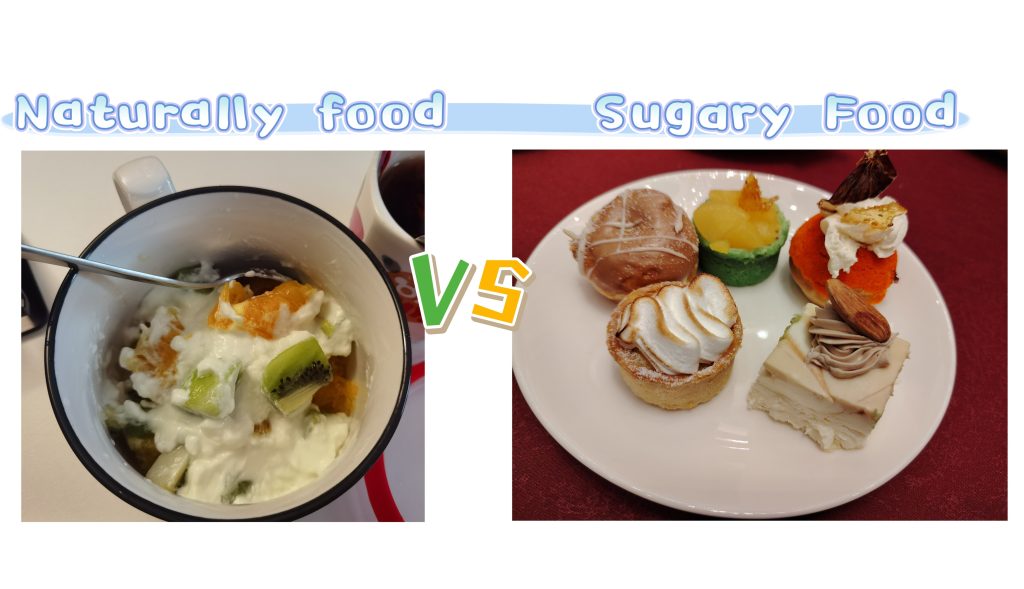
      Besides that, SWAPPING INGREDIENTS and USING HEALTHY ALTERNATIVES is one of the solutions for eating healthily. For example, use honey as natural organic ingredient in small amount, add fresh fruit instead of sugar in yogurt, use cinnamon to enhance sweetness naturally in coffee and choose unsweetened milk instead of flavored milk.

      Controlling sugar doesn’t not meant cutting it out completely (ZERO); it’s about making smarter choices and letting your taste buds adjust naturally.

      Comparison of eat healthy natural foods like yogurt and fruit versus sugary processed foods like cakes and chips

      3. Eat Whole Foods, Not Processed Foods

      To eat healthy every day without dieting, one of the smartest steps is to focus on whole foods instead of processed foods. Rather than restricting what you eat, simply choosing more natural and less processed options can make a big difference to your overall health.

      A diet must also be healthy, not just restrictive. Choosing the right quality of food is more important than simply eating less.

      Whole foods are foods that are either unprocessed or minimally processed. They are as close to their natural state as possible, without added sugar, excess salt, unhealthy fats, or artificial ingredients. examples include fresh fruits, vegetables, nuts, seeds, eggs, and whole grains.

      Why Focus on Whole Foods?

      A diet rich in whole foods provides many proven health benefits:

      Nutrient Density
      Whole foods contain a natural combination of vitamins, minerals, fiber, and antioxidants that work together to support your body. This is far more beneficial than processed foods with added nutrients.High in Fiber
      Fiber helps improve digestion, control blood sugar levels, and keep you feeling full longer. Most processed foods lose their fiber during manufacturing.No Empty Calories
      Whole foods provide real nutrition along with energy, while many processed foods contain “empty calories” with little nutritional value.Fewer Harmful Additives
      By choosing whole foods, you naturally reduce your intake of added sugar, sodium, and unhealthy fats- key contributors to chronic diseases such as heart disease, type 2 diabetes, and obesity.

      Medical News Today

      When you focus on whole foods, you don’t need strict diets – your body naturally gets what it needs to stay healthy.

      4. Listen to Our Body

      To truly eat healthy, it’s important to listen to your body’s signals instead of following strict diets. Pay attention to hunger and fullness cues instead of eating out of habit or boredom. Start by eating slowly, savoring each bite, and stopping when you feel satisfied-not stuffed.

      Include a variety of foods that provide energy and nutrients, such as vegetables, fruits, whole grains, and protein. Drink water regularly to stay hydrated and notice how your body reacts to different foods. By turning into your body’s signals, you can make mindful choices and enjoy eating healthy naturally.

      5. Make It a Daily Habit (Not a Shot-Term Diet)

      The last smart way to eat healthy every day is to turn it into a DAILY HABIT. It is not a short-term diet, but a long-term lifestyle you can sustain. Instead of aiming for perfection, focus on starting small and staying consistent. Simple steps done every day will always be more effective than extreme changes that don’t last.

      For example, you can turn cooking into a hobby and enjoy preparing your own meals. Pay more attention to the ingredients you use each day, choosing natural and wholesome options whenever possible.

      Over time, these small actions will become part of your routine. Healthy eating will no longer feel like EFFORT– it becomes your LIFESTYLE.

      prepare and cook whole foods for eat healthy daily

      IN A NUTSHELL

      Healthy eating doesn’t start with dieting – it starts with a shift in mindset. When you stop chasing quick results and focus on balance, sugar control, listening to your body, whole foods and daily habits, everything becomes simple and more sustainable.

      You don’t need to be perfect. You just needs to be consistent. Small , smart choices made everyday are far more powerful than strict diets that only last a short time.

      When you enjoy your food while making healthier choices, staying consistent and maintaining your lifestyle becomes effortless.

      In the end, healthy eating is not about restriction- it’s about creating a lifestyle that nurtures your health, boots your energy, and supports your long-term well-being.