Prevent muscle loss was never something Sean thought about in his early fifties. At 50, he still felt relatively healthy. He went for walks in the morning, occasionally helped his wife carry groceries, plays table tennis with his friends during weekend and believed he was doing enough to stay active. Life felt stable, predictable, and manageable.
But one afternoon, while receiving and lifting a heavy box from a courier service guy, something felt different. His arms tired faster than expected. His grip weakened halfway through the lift. It wasn’t dramatic or alarming, but it was noticeable enough to stay in his mind. That small moment planted a quiet question to himself – was his body starting to change in ways he hadn’t considered?
Over the next few months, similar moments began to appear. Climbing stairs felt slightly more demanding and tired. Carrying bags required more effort as compare to last time. Even standing for long periods seemed to take more out of him than before. None of these changes were severe, but together they pointed to something deeper. His body was slowly losing strength, ad he didn’t know why.
Like many people, Sean assumed this was simply part of aging. He believed that losing strength was natural and unavoidable. What he didn’t realized was that many of these changes were linked to muscle loss and more importantly,that he could be take steps to prevent muscle loss with the right approach.
When Strength Begins to Fade
Sean had never paid close attention to his diet. He ate what was convenient and familiar. Breakfast was usually light, often just bread and coffee and even skipped when feel not appetite. Lunch consisted of rice with some protein, and dinner varied depending on what was available. It wasn’t an unhealthy routine, but it lacked intention.
The idea that nutrition could directly influence his ability to prevent muscle loss had never crossed his mind. Like many others, he associated strength with exercise alone. If he moved enough, he believed that would be sufficient.
But as his energy levels declined and his strength gradually weakened, it became clear that something was missing. His daily habits were no longer enough to support his body’s changing needs.
Understanding What the Body Needs
Everything began to shift when Sean spoke with a health professional who asked a simple question: “How much protein are you consuming each day to prevent muscle loss?”
Sean didn’t have an answer.
For the first time, he started paying attention to what he was actually consuming. He realized that while he ate regularly, his protein intake was inconsistent and often insufficient. Most of his meals were built around carbohydrates, with protein protein playing only a minor role.
What he learned next changed his perspective completely!
After 50, the body becomes less efficient at using protein. This means that even if you eat the same way you did in your younger years, it may not be enough to maintain muscle. To effectively prevent muscle loss, protein intake needs to increase, not dramatically but intentionally.
How Much Protein Is Enough to Prevent Muscles Loss?
As Sean dug deeper. He discovered that in order to prevent muscle loss requires a more structured approach to protein intake. General dietary guidelines often fall short for older adults, especially when the goal is to maintain strength and muscle mass.
A more appropriate target for someone his age is approximately 1.2 to 1.6 grams of protein per kilogram of body weight each day. This range provides the body with enough amino acids to support muscle repair and maintenance.
When Sean calculated his own intake, the gap was clear. He was consuming far less than what his body required to prevent muscle loss effectively. This realization wasn’t discouraging as it was empowering. For the first time, he understood that his situation could be improved with simple, consistent changes.
7 Approaches to Prevent Muscle Loss
The Role of Protein in Daily Life
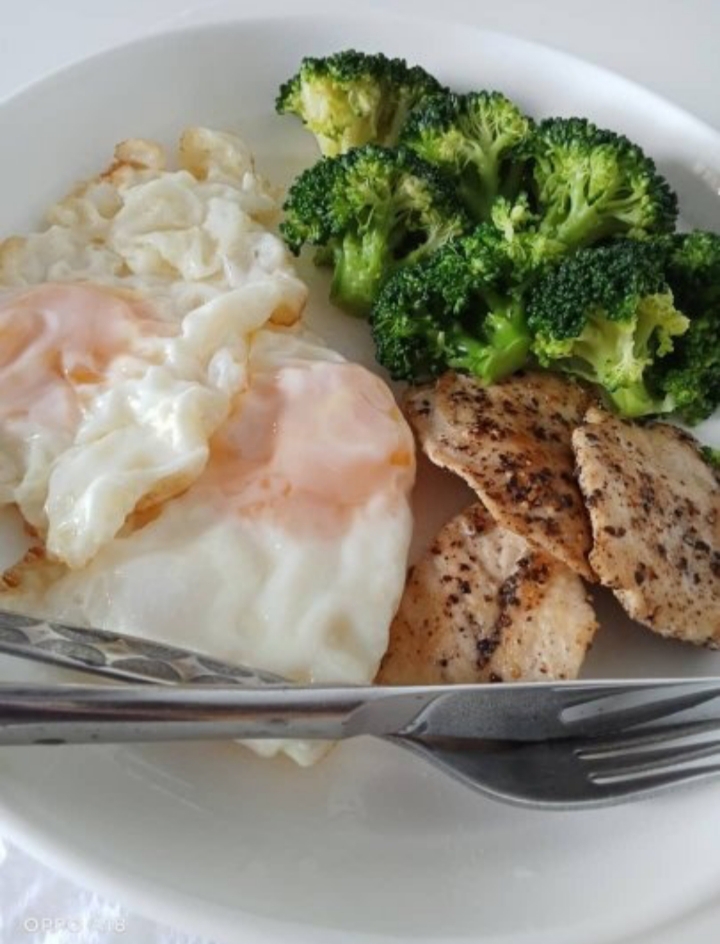
Protein is more than just a nutrient. It is the structural foundation of muscle tissue. Every movement, from lifting objects to maintaining posture, relies on muscle integrity. Without sufficient protein, the body struggles to repair and maintain this structure.
Sean began to see protein differently. I was no longer just part of a meal, it was a tool to prevent muscle loss and maintain independence.
He didn’t adopt extreme measures. Instead, he made gradual adjustments. Breakfast became more balanced, lunch included slightly larger portions of protein, and dinner focused more on quality rather than quantity. These changes were simple and viable, but they created a noticeable shift little by little.
Small Changes That Create Real Impact
Within a few weeks, Sean noticed subtle improvements. His energy levels became more stable. Tasks that once felt tiring began to feel manageable again. These changes weren’t immediate or dramatic, but they were consistent.
Prevent muscle loss became a guiding principle in how he approached his daily routine. He wasn’t just eating to feel full, he was eating to support his body.
As he continued this approach, he began to feel more confident in his movements. Walking felt easier, carrying groceries required less effort and even his posture improved slightly. These were small wins, but they reinforced the idea that his actions were making a difference.
The Importance of Consistency
One of the most Important lessons Sean learned was that consistency matters more than perfection. Prevent muscle loss is not about following a perfect diet everyday. It is just as simple as maintaining a steady pattern over time.
He didn’t worry about hitting exact numbers daily. Instead, he focused on building habits that supported his overall goal. Some days were better than others, but over a long periods, this average intake improved.
This approach made the process sustainable. It removed the pressure of perfection and replaced it with a mindset of progress.
More Than Just Nutrition
As Sean continued his journey, he realized that preventing muscle loss involved more than just protein. It was about creating an environment where his body could function at its best.
He began incorporating light resistance exercises into his routine. Nothing intense, just simple movements to engage his muscles. This combination of nutrition and activity created a stronger foundation for his body.
Prevent muscle loss was no longer a single action. It became a lifestyle.

A Shift in Perspective
At 52, Sean felt different, not younger, but stronger, steadier, more energetic and more capable in ways that mattered to his everyday life. The changes were not dramatic, yet they were meaningful enough to reshape how he viewed himself. Tasks that once felt slightly burdensome became easier and manageable again, and movements that required effort began to feel more natural.
He no longer saw aging as a steady and unavoidable decline. On the flip side, he began to understand that aging is a process that can be influenced, shaped, and even improved through consistent daily choices. This shift in thinking allowed him to take a more active role in his own health, rather than passively accepting changes as inevitable.
He realized that to prevent muscle loss, awareness was just as important as action. Paying attention to how his body responded to food, movement, and rest gave him a clearer sense of what worked and what needed adjustment. As time passes, he became more intentional with his habits, knowing that even small decisions could help prevent muscle loss and support his overall strength.
Sean also understood that his body still had the ability to adapt. While the process may have slowed compared to this younger years, the capacity for improvement had not disappeared. It simply required the right conditions which were adequate nutrition, consistent movement, and enough recovery to allow the body to respond effectively.
Prevent muscle loss gradually became more than just a goal. It evolved into a mindset that guided his daily life routine. From the way he structured his meals to how he approached physical activity, each choice was aligned with maintaining his strength and independence. This sense of purpose made his efforts feel less like a chore and more like an investment in his future.
As the months passed, the benefits extended beyond physical strength. His confidence improved, and he felt more in control of his health. Knowing that he could take steps to prevent muscle loss gave him reassurance that aging did not have to mean limitation. Alternatively, it could be a stage of life where strength, stability, and resilience were still within reach.
In many ways, this shift in perspective became the most important change of all. It transformed how he approached not only his body, but his overall lifestyle.
b
By focusing on how to prevent muscle loss consistently, he built habits that supported long-term health, allowing him to move forward with greater confidence and clarity.
Why Many People Miss This
Sean often thought about how long it took him to realize the importance of protein. He wondered how many others were experiencing the same gradual decline without understanding the cause.
One of the most common issue is lack of awareness. People continue eating the same way they always have, unaware that their bodies now require something different.
Prevent muscle loss requires a shift in thinking. It means recognizing that what worked before may not be enough now.
The Long-Term Impact
Over time, the benefits of these changes became more evident. Sean felt more stable when walking, even running. He experienced fewer moments of fatigue as compared with his peers. His overall energy improved.
These outcomes were not the result of a single change, but the accumulation of consistent effort. Prevent muscle loss became a long-term investment in his health.
He realized that strength is not built overnight. It is through repeated actions, brick by brick and day after day.
Frequently Asked Question (FAQ)
1. Why is it important to prevent muscle loss after 50?
To prevent muscle loss after 50 is essential because muscle decline reduces strength, mobility, and independence. Maintaining muscle mass helps improve balance, supports metabolism, and lowers the risk of falls and injuries, allowing you to stay active and functional as you age.
2. How much protein do you need to prevent muscle loss after 50?
To prevent muscle loss after 50, you typically need 1.2 to 1.6 grams of protein per kilogram of body weight daily. This higher intake supports muscle maintenance by compensating for age-related declines in muscle protein synthesis.
3. Can protein alone prevent muscle loss?
No, protein alone cannot fully prevent muscle loss. While adequate protein intake is essential, combining it with resistance training provides the necessary stimulus for muscle maintenance and growth.
4. What are the best protein sources to prevent muscle loss?
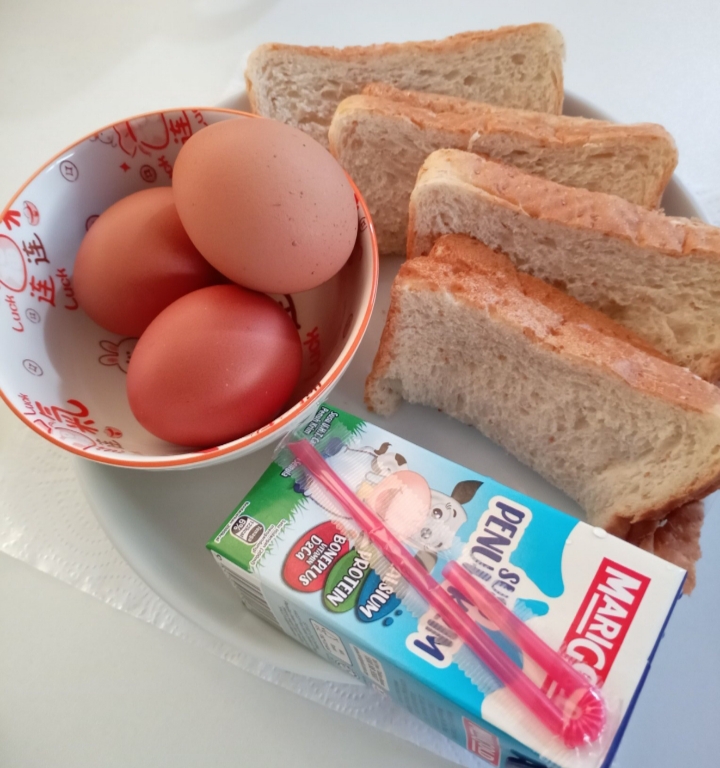
The best protein sources to prevent muscle loss include lean meats, fish, eggs, dairy products, and plant-based options such as bean and tofu. These foods provide essential amino acids needed for muscle repair and maintenance.
5. Why does muscle loss happen faster after 50?
Muscle loss happens after 50 due to reduced hormone levels, lower physical activity, and decreased responsiveness to protein intake. These factors make it more difficult for the body to maintain and repair muscle tissue.
6. Can you rebuild muscle after 50?
Yes, you can rebuild muscle after 50 through consistent resistance training and proper nutrition. The body retains the ability to adapt, allowing you to prevent muscle loss and regain strength over a period.
7. How often should you eat protein to prevent muscle loss?
To prevent muscle loss, protein should be consumed evenly across meals, typically 20 – 30 grams per meal. This helps maintain a steady supply of amino acids for continuous muscle repair.
8. Is walking enough to prevent muscle loss?
Walking alone is not enough to gain muscle mass. While it supports general health, resistance training is needed to stimulate muscle growth and maintain strength.
9. Do supplements help prevent muscle loss?
Supplements can help prevent muscle loss if dietary protein intake is sufficient. However, whole foods should remain the primary source, with supplements used for convenience when needed.
10. How long does it take to prevent muscle loss or see results?
To prevent muscle loss, improvements in strength can occur within 4 to 6 weeks, while visible muscle changes typically take 8 to 12 weeks with consistent training and proper nutrition.
Final Thought
Sean understands that aging does not automatically mean decline. It means adaptation. And one of the most effective ways to prevent muscle loss is by aligning your daily habits with your body’s evolving needs.
To prevent muscle loss after 50, understanding your body’s changing requirements is essential. Protein intake becomes a central factor in maintaining strength, function, and independence.
By ensuring adequate daily intake, distributing it consistently, and combining it with an active lifestyle, you create an environment where you can effectively prevent muscle loss while supporting long-term resilience.
Declining in muscle mass may be common with age, but it is not inevitable. With the right approach, you can prevent muscle loss, maintain strength, and continue to stay fit and healthy as the years progress.
And sometimes, the difference begins with something as simple as what’s on your plate.
Research from the National Institutes of Health shows that adequate protein intake combined with physical activity plays a key role in maintaining muscle mass in older adults. Harvard Health also highlights that consistent nutrition and strength-focused habits are essential to reduce age-related muscle decline.
To explore more knowledges on Preventing Muscle Loss after 50 and Daily Resistance Training, you can visit these links:
- 7 Exercises to Perform Daily to Improve Heart Health and Overall Fitness.
- How to Prevent Muscle Loss After 50? (Complete Science-backed Guide)
Please share, like this article and help others to prevent muscle loss, thank you for reading.
Leave a Reply