Category: Healthy Living

  • My Healthy Lifestyle Routine: How Small Daily Habits Changed My Life Naturally

    My Healthy Lifestyle Routine: How Small Daily Habits Changed My Life Naturally

    Two years ago, I never thought I would become someone who looked forward to morning workout, homemade meals, or yoga before bed as part of my healthy lifestyle routine.

    My name is Mavis, and my life used to feel completely out of balance. I worked long hours, spent too much time sitting in front of a computer, and constantly told myself I was “too busy” to focus on health. My days felt rushed from morning until night, and I believed unhealthy habit were simply part of adult life.

    Every morning started with chaos.

    I usually woke up late after pressing the snooze button several times. Instead of preparing breakfast, I rushed to get ready for work. Most mornings, I grabbed coffee and maybe sweet bun from a convenience store. Sometimes I skipped breakfast completely and told myself I would eat a bigger lunch later.

    By lunch time, I was starving.

    That often led to unhealthy choices like fried chicken, burgers, instant noodles, or sugary drinks because they were quick and convenient. After work, I felt too tired to cook, so I relied heavily on food delivery apps. Pizza, fried rice, bubble tea, and fast food became normal parts of my weekly routine.

    Exercise was almost nonexistent.


    I would tell myself things like:

    ” I’ll start next month.”

    “I’m too tired today.”

    “I deserve to rest after work.”

    But deep down, I knew I was making excuses.

    At night, things didn’t get any better. I spent hours scrolling social media, watching random videos, playing online game and sleeping far too late. Even when I finally went to bed, my mind was still full of stress from work.

    The next morning, the cycle repeated itself.

    Over time, my body started sending warning signs,

    I felt constantly tired. I became easily out of breath when climbing stairs.

    My skin looked dull. I felt bloated after meals. My energy crashed every afternoon.

    I also noticed my clothes felt tighter than before.

    Once weekend, I attended a family gathering and saw photos taken that day. When i looked at myself in those pictures, I looked exhausted.

    My smile looked forced.

    My face looked tired.

    I barely recognized myself.

    That moment hit me hard.

    I realized I wasn’t taking care of my body at all.

    I didn’t want extreme diets.

    I didn’t want unrealistic workout plans.

    I wanted a sustainable healthy lifestyle routine that I could maintain long-term.

    So, I decided to make small changes.

    Those small changes completely transformed my life.

    1. Starting My Morning with 20 Minutes of Exercise

    The first habit I built was simple.

    I committed to exercising for just 20 minutes every morning.

    Not one hour. Not intense gym workout.

    Just 20 minutes.

    At first, I started with brisk walking around my neighborhood.

    Some days I did stretching exercise.

    Other mornings included:

    • Light Jogging
    • Jump rope
    • Bodyweight squats
    • Home workout videos
    • Basic yoga stretches

    The hardest part was waking up ealier.

    There were mornings when my bed felt impossible to leave.

    But I reminded myself that 20 minutes was manageable.

    After three weeks, I noticed something suprising.

    I felt more energized throughout the day.

    I became more productive at work.

    My mood improved.

    I relied less on caffeine.

    That small morning workout became an important part of my healthy lifestyle routine.

    2.Eating a Balanced Breakfast

    Skipping breakfast used to be my biggest mistake.

    When I skipped breakfast, I felt hungry earlier and made unhealthy lunch choices.

    Now, I make sure my breakfast includes balance.

    My regular breakfast options include:

    • Scrambled eggs
    • Whole grain toast
    • Oatmeal
    • Greek yogurt
    • Fruits
    • Nuts
    • Avocado

    One of my favorite breakfasts is creamy avocado on a toasted bun, paired with melted cheese, a crispy hash brown, and a warm cup of milk coffee.

    Another two simple breakfast options I enjoyed are eggs with whole grain toast and fresh fruit, as well as oatmeal topped with bananas, almonds, and chia seeds.

    Smoothies Twice a Week

    To make breakfast easier, I started using smoothies as a breakfast substitute two times a week, especially om busy mornings.

    My favorite smoothie recipes include:

    Energy Smoothie

    • Banana / Oats / Milk / Peanut Butter / Chia Seeds

    Green Smoothie

    • Spinach / Apple / Cucumber / Lemon Water

    Coffee Smoothie

    • Almond milk / Frozen Banana / Brewed coffee / Chia Seeds / Peanut Butter / Honey(Optional)

    Want the Ultra Low-Sugar Coffee Smoothie recipe? Read my How Drinking Coffee Healthily Became My Daily Ritual here.

    These smoothies save time while still giving me nutrients.

    According to the World Health Organization, adults should consume at least 400 g of fruits and vegetables daily, which made smoothies an easy way for me to increase my intake.

    They also helped me avoid unhealthy fast-food breakfasts.

    Adding smoothies made my health lifestyle routine more practical and realistic.

    The Daily Drink Habit Nobody Told You About…

    To know more fabulous Powerful Benefit of Smoothies, please check them out at:

    3.Learning Homemade Cooking

    This was one of the biggest changes I made.

    I used to spend so much money ordering unhealthy takeout meals.

    It was convenient but often full of unhealthy ingredients.

    At first, cooking felt intimidating.

    I burned food.

    I overcooked rice.

    I made meals that tasted terrible.

    But I kept trying.

    I stared learning simple meals like:

    • Grilled chicken with vegetables
    • Brown rice bowls
    • Stir-fried vegetables
    • Homemade soup
    • Salmon with salad
    • Pasta with lean protein

    Meal preparation also saved me time during busy weekdays.

    On Sundays, I prepared ingredients in advance.

    This made healthy eating easier.

    Homemade meals helped me control:

    • Oil
    • Sugar
    • Salt
    • Portion sizes

    World Health Organization also recommends limiting free sugar intake and focusing on balanced meals made with whole foods for better long-term health.

    I felt less bloated and healthier overall.

    4.Yoga Before Sleep

    Yoga before sleep for relaxation and better sleep quality

    My nights used to be filled with stress.

    Even when my body felt tired, my mind stayed active.

    That’s when I discovered yoga before sleep.

    I started with just 10 minutes every night.

    My routine included :

    • Child’s pose
    • Cat-cow stretch
    • Forward fold
    • Deep breathing
    • Leg-up-the-wall pose
    Stretch in bedroom showing a simple healthy daily routine and balanced lifestyle

    At first, it felt strange.

    But after a few weeks, I noticed major improvements.

    I felt asleep FASTER.

    I slept DEEPER.

    My stress levels decreased.

    I woke up feeling refreshed.

    Yoga became my nightly reset button.

    My Life Today

    After several months of consistency, my life feels completely different.

    I have more ENERGY.

    I sleep BETTER.

    I feel STRONGER.

    My eating habits are HEALTHIER.

    My stress levels are LOWER.

    Friends started asking what diet plan I followed.

    My answer is always SIMPLE:

    I built a sustainable healthy lifestyle routine through small daily habits.

    For me, that meant:

    • 20 minutes of exercise every morning
    • Eating a balanced breakfast
    • Drinking smoothies twice a week
    • Cooking homemade meals
    • Practicing yoga before sleep

    I learned that health transformation doesn’t happen overnight.

    It happens through small choices repeated everyday.

    And those small habits changed my life completely.

  • How Overworking Affects Your Health and Productivity (And What to Do)

    How Overworking Affects Your Health and Productivity (And What to Do)

    Introduction

    Understanding how overworking affects health and productivity is more important than ever in today’s high-pressure work culture.

    Many professionals in the United States and Europe believe that working longer hours leads to greater success.

    However, research consistently shows the opposite- overworking can damage your physical health, reduce productivity, causing fatigue and increase the risk of burnout.

    In a world where being busy is often seen as a badge of honor, the hidden cost of overworking is frequently ignored. Long hours, constant digital connectivity, and unrealistic expectations create an environment where rest is undervalued.

    This article explores the real effects of overworking on health and productivity, supported by research, and provides actionable strategies to help you regain balance and improve your overall well-being.

    Overworking refers to consistently working beyond healthy limits, often exceeding 40 – 50 hours per week without adequate rest or recovery.

    It typically involves:

    • Extended working hours
    • Skipping breaks
    • Working during weekends or holidays
    • Constant availability via digital devices

    Over time, this pattern leads to serious physical, mental, and professional consequences.

    Overworking is one of the primary causes of poor work life balance. When work dominates your schedule, there is little time left for rest, relationships, or self-care.

    If you’re experiencing symptoms of imbalance, you can explore in depth of this related guide:

    Understanding this connection is essential because improving balance directly reduces the harmful effects of overworking.

    1. Physical Health Effects of Overworking

    Overworking affects health and places significant strain on the body.

    A. Increased Risk of Heart Disease

    Long working hours are strongly linked to cardiovascular problems. According to the World Health Organization, working 55 hours or more per week is associated with a significantly higher risk of stroke and heart disease.

    B. Chronic Fatigue

    Overworked individuals often experience:

    • Persistent tiredness
    • Low energy levels
    • Reduced physical endurance

    Without proper rest, the body cannot recover, leading to long-term exhaustion.

    C. Sleep Disorders

    Overworking disrupts sleep patterns, resulting in:

    • Insomnia
    • Poor sleep quality
    • Difficulty falling or staying asleep

    Sleep deprivation further worsens productivity and health.

    D. Weakened Immune System

    Chronic stress from overworking weakens the immune system, making individuals more susceptible to illness.

    2. Mental Health Effects of Overworking

    The mental toll of overworking is equally severe.

    A. Burnout

    Burnout is characterized by:

    • Emotional exhaustion
    • Lack of motivation
    • Reduced performance

    It is one of the most common consequences of prolonged overworking.

    overworking affects health

    B. Anxiety and Depression

    Overworking increases the risk of:

    • Chronic anxiety
    • Depression
    • Emotional instability

    The constant pressure to perform can overwhelm the mind.

    C. Reduced Cognitive Function

    Overworked individuals often struggle with:

    • Poor concentration
    • Memory issues
    • Slower decision-making

    This directly impacts job performance.

    3. How Overworking Affects Productivity

    Contrary to popular belief, overworking reduces productivity rather than improving it.

    A. Diminishing Returns

    After a certain point, additional working hours produce less output.

    B. Increased Errors

    Fatigue leads to mistake, which can:

    • Reduce efficiency
    • Require rework
    • Increase stress

    These negative factors seriously affect working performance.

    C. Lower Creativity

    Creative thinking requires mental clarity, which is compromised by exhaustion.

    D. Decreased Motivation

    Over time, overworking reduces enthusiasm and engagement with work.

    Research from Harvard Business Review shows that long working hours often backfire, reducing productivity instead of improving it.

    4. Social and Lifestyle Impact

    Overworking doesn’t just affect your job – it impacts your entire lifestyle.

    A. Strained Relationships

    Lack of time for family and friends leads to weaker relationships.

    B. Reduced Personal Time

    Hobbies and relaxation are often sacrificed.

    C. Poor Work Satisfaction

    Ironically, overworking often leads to dissatisfaction rather than success.

    5. Warning Signs You Are Overworking

    Recognizing the signs early can prevent serious consequences.

    Common Signs:

    • Constant fatigue
    • Irritability
    • Difficulty relaxing
    • Declining productivity
    • Lack of motivation

    The good news is that overworking can be managed with the right strategies.

    1. Set Work Boundaries

    As we know that overworking affects health and productivity, so define clear start and end times for your workday.

    2. Take Breaks

    Regular breaks improve focus and reduce fatigue.

    3. Prioritize Tasks

    Focus on high-impact work instead of trying to do everything.

    4. Improve Time Management

    Use tools like:

    • Task Lists
    • Time blocking
    • Scheduling

    5. Disconnect After Work

    Avoid checking emails or messages outside working hours.

    6. Focus on Health

    Maintain:

    • Regular exercise
    • Healthy diet
    • Proper sleep

    Maintain these habits as your daily healthy routine and to pursue work-life balance healthy lifestyle.

    Organizations play a key role in preventing overworking.

    Employers should:

    • Encourage reasonable working hours
    • Promote breaks and time off
    • Support employee well-being

    A healthy workforce is more productive and engaged.

    As remote work and digital tools continue to evolve, maintaining balance will become even more important.

    Companies and individuals must adapt by prioritizing well-being alongside productivity.

    Understanding how overworking affects health and productivity is essential for maintaining long-term success and well-being. While working hard is important, overworking can lead to serious physical and mental issues, reduced productivity, and lower quality of life.

    By recognizing the warning signs and implementing practical strategies, you can reduce the negative effects of overworking and restore balance.

    For a broader perspective, explore how balance improves your life in this guide:

  • 7 Signs of Poor Work-Life Balance and How to Fix It

    7 Signs of Poor Work-Life Balance and How to Fix It

    Introduction

    In today’s always connected world, maintaining a healthy boundary between work and personal life has become increasingly difficult. Many professionals in the United States and Europe struggle poor work life balance, often working longer hours, responding to emails after hours, and finding it hard to disconnect from their jobs.

    While this level of commitment may seem productive, it often leads to hidden consequences. The reality is that poor work-life balance can negatively affect your health, productivity, and overall quality of life.

    In this article, we’ll explore the most common signs of poor work-life balance, their impact, and practical strategies to help you regain control.

    What Is Poor Work-Life Balance?

    Poor work-life balance occurs when work consistently takes priority over personal health, relationships, and well-being.

    This imbalance often results from:

    • Excessive workload
    • Lack of boundaries
    • Remote work challenges
    • Constant digital connectivity

    Over time, this imbalance creates stress and reduces your ability to function effectively in both your professional and personal life.

    If you want a deeper understanding of how balance impacts your health and productivity, you can explore this guide on work-life balance benefits.

    1. Constant Fatigue and Low Energy

    One of the earliest and most noticeable signs of poor work life balance is persistent fatigue.

    You may:

    • Wake up feeling tired
    • Struggle to stay focused during the day
    • Rely heavily on caffeine or stimulants

    This happens because your body is not getting enough time to recover. Long working hours and insufficient rest lead to physical exhaustion.

    Over time, chronic fatigue can weaken your immune system and increase the risk of serious health issue.

    2. Difficulty Disconnecting from Work

    Do you find yourself checking emails late at night or thinking about work during your free time?

    This inability to disconnect is a major red flag. It indicates that work has started to dominate your mental space.

    Common signs include:

    • Checking messages outside work hours
    • Feeling guilty when not working
    • Thinking about tasks during personal time

    Without clear boundaries, your brain never gets the chance to rest, leading to mental fatigue and reduced productivity.

    3. Increased Stress and Irritability

    Poor work life balance is bad to health as it causing stress. Stress is a natural response to pressure, but constant stress is harmful.

    If you experience:

    • Frequent frustration
    • Mood swings
    • Feeling overwhelmed

    …it may be due to poor work life balance.

    Chronic stress affects both mental and physical health. According to the World Health Organization, long working hours are linked to increased risks of heart disease and stroke.

    4. Decline In Productivity

    Ironically, working more does not always mean achieving more.

    When you’re overworked:

    • Focus decreases
    • Mistakes increase
    • Efficiency drops

    Research consistently shows that productivity decline after a certain number of working hours.

    Instead of producing better results, overworking often leads to burnout and reduced performance.

    5. Neglecting Personal Relationships

    Another key sign is the gradual neglect of relationships.

    You may:

    • Cancel plans with family or friends
    • Spend less time with loved ones
    • Feel disconnected socially

    Strong relationships are essential for emotional well-being. When work replaces personal time, it can lead to loneliness and dissatisfaction.

    6. Poor Physical Health Habits

    When work takes over, healthy habits are often the first to go.

    Signs include:

    • Skipping meals or eating unhealthy food
    • Lack of exercise
    • Poor sleep patterns

    These habits contribute to long-term health problems such as obesity, heart disease, and weakened immunity.

    7. Feeling Burned Out

    Burnout is the most serious consequence of poor work life balance.

    It is characterized by:

    • Emotional exhaustion
    • Lack of motivation
    • Negative attitude toward work

    Burnout can take weeks or even months to recover from, making prevention essential.

    The consequences of imbalance go beyond daily stress.

    Physical Effects

    • Increased risk of chronic illness
    • Sleep disorders
    • Fatigue

    Mental Effects

    • Anxiety and depression
    • Reduced focus
    • Emotional instability

    Professional Effects

    • Lower productivity
    • Increased errors
    • Career dissatisfaction

    Research published by Harvard Business Review shows that long working hours often backfire, reducing productivity and harming both employees and organizations.

    fix poor work-life balance

    The good news is that improving your work-life balance is possible with the right strategies.

    1. Set Clear Boundaries

    Define your working hours and stick to them.

    Avoid:

    • Checking emails after hours
    • Taking work calls during personal time

    Boundaries help protect your mental and physical well-being.

    2. Prioritize Your Tasks

    Not all tasks are equally important.

    Focus on:

    • High-impact activities
    • Tasks that align with your goals

    This reduces unnecessary workload and improves efficiency.

    3. Take Regular Breaks

    Short breaks improve concentration and reduce fatigue.

    Try:

    • 5 – 10 minutes breaks every hour
    • Walking or stretching

    This helps maintain energy levels throughout the day.

    4. Learn to Say No

    Overcommitment is a major cause of imbalance.

    Saying no to unnecessary tasks allows you to focus on what truly matters.

    5. Schedule Personal Time

    Treat personal activities like appointments.

    This ensures:

    • Time for hobbies
    • Social interactions
    • Relaxation

    These activities enable you to gain from mental health.

    6. Improve Time Management

    Use techniques such as:

    • Time blocking
    • Task prioritization
    • Daily planning

    Better time management leads to better balance.

    7. Create a Healthy Routine

    A structured routine helps maintain consistency.

    Include:

    • Regular sleep schedule
    • Exercise
    • Healthy meals

    Healthy routine improves body and mental health.

    healthy meal - poor work-life balance

    Remote work has made balance both easier and harder.

    Challenges

    • Blurred boundaries
    • Longer working hours
    • Constant availability

    Solutions

    • Dedicated workspace
    • Fixed schedule
    • Clear separation between work and personal life

    Working remotely is an ideal style of work-life balance if you can manage tactfully.

    If imbalance persists despite your efforts, it may be time to seek support.

    Consider:

    • Talking to a manager
    • Seeking professional guidance
    • Adjusting workload expectations

    Addressing the issue early prevents long-term consequences.

    Recognizing the signs of poor work life balance is the first step toward improving your health, productivity, and overall well-being.

    Ignoring these warning signs can lead to burnout, stress, and long-term health problems. However, by implementing simple strategies-such as setting boundaries, managing time effectively, and prioritizing personal well-being-you can restore balance and improve your quality of life.

    If you want to understand the full impact of balance on your life, explore more guides on:

  • How Work-Life Balance Benefits Your Health and Productivity

    How Work-Life Balance Benefits Your Health and Productivity

    Introduction

    Work-life balance benefits to professionals Health and Productivity had become one of the most important topics in today’s fast-paced professional world. From United States to Europe, employees face increasing pressure to perform, meet deadlines, and remain constantly connected. Unfortunately, this often comes at the expense of health, personal relationships, and overall well-being.

    The benefits of work-life balance are not just theoretical – they are backed by research showing that individuals who manage their professional and personal lives effectively enjoy better health, higher productivity, and stronger social connections. Understanding these benefits and learning how to apply them in your daily life is critical to achieving long-term professional and personal success.

    In this guide, we will explore the full spectrum of work-life balance benefits, including physical and mental health, productivity, social and emotional well-being, and actionable strategies you can implement immediately.

    1. What Are the Benefits of Work-Life Balance in 2026?

    Work-life balance refers to the ability to manage professional responsibilities while preserving time and energy for personal health, relationships, and self-care. The benefits extend far beyond having leisure time; they impact nearly every aspect of your life.

    Key Benefits Include:

    • Physical Health Improvement: Reduced stress, better sleep, and fewer chronic illnesses.
    • Mental Health Boost: Lower anxiety and burnout, enhanced focus and emotional resilience.
    • Productivity Gains: Higher efficiency, fewer mistake, and sustained creativity.
    • Social and Emotional Well-Being: Stronger relationships, better support systems, and higher life satisfaction.

    A recent study by the World Health Organization highlights that long working hours increase the risk of stroke and heart disease, making the benefits of balancing work and life more critical than ever. (WHO 2021).

    2. Physical Health Benefits of Work-Life Balance

    Poor work-life balance is strongly linked to physical health problems. Long hours, inadequate rest, and sedentary habits contribute to fatigue, obesity, cardiovascular disease, and other chronic illness.

    How Balance Improves Health:

    • Reduces Chronic Stress: Regular breaks and personal time reduce stress hormone levels, which helps prevent hypertension and other stress-related conditions.
    • Supports Beeter Sleep: Consistent routines and boundaries allow for better sleep quality, which is critical for recovery and overall health.
    • Promotes Exercise and Nutrition: Time management allows individuals to prioritize exercise and healthier meals, improving overall physical well-being.

    A well-balanced professional life ensures your body has the resources it needs to function optimally, reducing medical risks and supporting long-term vitality.

    3. Mental Health Benefits of Work-Life Balance

    Mental health often suffers first when work-life balance is disrupted. Chronic stress and burnout are among the most common consequences of overworking.

    Key Mental Health Benefits:

    • Reduced Burnout: By separating work from personal time, you prevent emotional exhaustion.
    • Lower Anxiety and Depression Risk: Structured routines and personal time provide mental stability.
    • Improved Cognitive Function: Rested minds focus better, make faster decisions, and demonstrate enhanced creativity.

    Research shows that overworking can significantly increase the risk of anxiety and depression, making the benefits of work-life balance essential for long-term mental health (HBR alternative source).

    4. How Work-Life Balance Benefits Productivity

    Contrary to the belief that more hours equal to more output, excessive work often reduces productivity.

    Productivity Gains from Balance:

    • Improved Focus: Taking regular breaks prevents fatigue and enhances concentration.
    • Higher Efficiency: Employees with structured schedules complete tasks more effectively.
    • Sustained Creativity: Balanced workers have the mental bandwidth to innovate and solve problems creatively.
    • Fewer Errors: Overworked employees are more prone to mistakes, which can cost companies times and resources.

    Companies that prioritize employee work-life balance consistently report higher performance metrics and lower turnover rates, proving that balance benefits both individuals and organizations.

    relax - work-life balance benefits

    5. Social and Emotional Benefits of Work -Life Balance

    The impact of balance extends beyond health and productivity into your personal relationships.

    Key Social Benefits:

    • Stronger Relationships: Time spent with family and friends fosters deeper connections.
    • Better Support Systems: Healthy social networks improve resilience to stress.
    • Higher Life Satisfaction: Personal fulfillment increases when individuals balance professional obligations with personal passions.

    Neglecting social and emotional can lead to isolation, reduced motivation, and emotional burnout. Prioritizing work-life balance ensures that your personal relationships remain a source of strength.

    6. Common Signs You’re Missing Work-Life Balance

    Recognizing early warning signs can prevent long-term health and productivity issues.

    Red Flags Include:

    • Persistent fatigue or exhaustion
    • Irritability or mood swings
    • Decline in work quality or creativity
    • Lack of time for hobbies or relationships
    • Difficulty disconnecting from work, even after hours

    Identifying these signs early allows you to take proactive steps to restore balance and reap its benefits.

    7. Practical Tips to Maximize Work-Life Balance Benefits

    Applying work-life balance principles requires practical strategies.

    Effective Techniques:

    • Set Clear Boundaries: Define working hours and avoid checking emails after hours.
    • Prioritize Tasks: Focus on high-impact activities and avoid busywork.
    • Take Regular Breaks: Short breaks throughout the day improve focus and reduce fatigue.
    • Learn to Say No: Protect your time by declining non-essential tasks.
    • Schedule Personal Time: Treat personal activities as important appointments.
    • Limit Digital Overload: Reduce notifications to minimize constant interruptions.

    These small, consistent changes accumulate over time, producing measurable benefits in health, productivity, and well-being.

    8. Work-Life Balance Benefits in the Remote Work Era

    Remote work offers flexibility but introduces unique challenges:

    • Blurred boundaries between home and work.
    • Extended working hours.
    • Difficulty disconnecting.

    Solutions:

    • Create a dedicated workspace.
    • Maintain consistent routines.
    • Define clear start and end times.
    • Avoid working from relaxation areas.

    Remote workers who implement these strategies maintain the full benefits of work-life balance while leveraging the flexibility of modern work environments.

    Q: What is a healthy work-life balance?

    A: It means effectively managing professional responsibilities while preserving time for health, relationships, and self-care.

    Q: Does work-life balance reduce stress?

    A: Yes. Proper balance lowers stress levels and increases resilience to challenges.

    Q: How many hours should you work per week?

    A: Productivity often declines after 40-50 hours per week. Consistently exceeding this can harm both health and performance.

    Q: Can work-life balance improve mental health?

    A: Absolutely. It reduces burnout, anxiety, and emotional fatigue while improving overall well-being.

    Q: What are common causes of poor work-life balance?

    A: Excessive workload, lack of boundaries, digital distractions, and unrealistic expectations are primary factors.

    Fun - work-life balance benefits

    Reaping the Full Benefits of Work-Life Balance

    Work-life balance benefits are essential for sustainable health, productivity, and personal fulfillment. Overworking may seem productive in the short term, but it often leads to burnout, decreased performance, and long-term health issues.

    By implementing practical strategies – setting boundaries, prioritizing tasks, taking breaks, and investing in relationships – you can enjoy the full benefits of work-life balance. This not only enhances your professional performance but also improves overall life satisfaction, mental clarity, and physical health.

    Prioritize balance today, and the positive effects will extend across every aspect of your life.

    For more actionable strategies, please explore :

  • 10 Healthy Habits for Busy Professionals

    10 Healthy Habits for Busy Professionals

    Introduction

    Building healthy habits for busy professionals can feel overwhelming when your schedule is packed with meetings, deadlines, and responsibilities. Many professionals struggle to balance work, health and personal life, often sacrificing well-being for productivity.

    The truth is, you don’t need a complete lifestyle overhaul to stay healthy. Small, consistent habits can significantly improve your energy, focus, and overall well-being.

    In this guide, we’ll explore 10 simple yet powerful habits you can incorporate into your daily routine – no matter how busy you are.

    Healthy Habits

    1. Start Your Day with Hydration

    One of the easiest yet most overlooked habits is drinking water first thing in the morning. Hydration helps kickstart your metabolism, improve brain function, and boost energy levels.

    According to Mayo Clinic, proper hydration supports essential bodily functions, including digestion and temperature regulation.

    Tip: Keep a glass of water beside your bed so you can drink it immediately after waking up.

    2. Prioritize Short Morning Movement

    You don’t need a full workout to feel energized. A quick 5 – 10 minutes movement routine can wake up your body and improve blood circulation.

    Simple exercises include:

    • Stretching
    • Bodyweight squats
    • Arm circles
    • Light yoga

    These movements help reduce stiffness and prepare your body for a productive day.

    3. Plan Your Day with Intent

    Busy professionals often jump straight into work without plan, leading to stress and inefficiency.

    Take 5 minutes each morning to:

    • List your top 3 priorities
    • Schedule key tasks
    • Allocate time blocks

    This habit improves focus and reduces decision fatigue throughout the day.

    4. Take Micro-Breaks Throughout the Day

    Sitting for long hours can negatively affect your health and productivity. Research from the American Heart Association shows that prolonged sitting increases health risks.

    Solutions:

    • Stand or stretch every 60 – 90 minutes
    • Walk around during phone calls
    • Do quick desk stretches

    These small breaks improve blood circulation, reduce fatigue, and keep your mind sharp.

    Healthy Habits - Dense Meal

    5. Eat Balanced, Nutrient-Dense Meals

    Nutrition plays a major role in maintaining energy and focus. Instead of relying on fast food or processed snacks, aim for balanced meals.

    Include:

    • Lean proteins (chicken breast, fish, tofu or eggs)
    • Whole grains (brown rice, oats)
    • Vegetables and fruits

    For busy days, a quick smoothie can provide essential nutrients without taking much time.

    6. Stay Consistently Hydrated

    Beyond your morning glass water, hydration should continue throughout the day.

    Tips:

    • Carry a reusable water bottle
    • Set reminders if needed
    • Drink water before meals

    Staying hydrated helps prevent fatigue and improves concentration – key for maintaining productivity.

    7. Practice Mindfulness or Deep Breathing

    Stress is a common challenge for busy professionals. Taking a few minutes for mindfulness can significantly improve mental clarity and emotional balance.

    Simple methods:

    • Deep breathing exercises
    • Short meditation sessions
    • Quiet reflection time

    Even 3 – 5 minutes can reduce stress and improve focus.

    8. Limit Screen Time and Digital Distractions

    Constant notifications and screen exposure can drain your energy and reduce productivity.

    Healthy habits include:

    • Turning off non-essential notifications
    • Scheduling ” no-screen ” breaks
    • Using focus apps or timers

    Reducing distractions helps you work more efficiently and maintain mental clarity.

    9. Build a Consistent Sleep Routine

    Sleep is often neglected, yet it’s one of the most important aspects of health. Poor sleep affects energy, mood, and performance.

    Improve sleep by:

    • Going to bed at the same time each night
    • Avoiding screens before bed
    • Creating a relaxing bedtime routine

    Quality sleep supports both physical and mental recovery.

    10. Reflect and Reset Daily

    At the end of each day, take a few minutes to reflect:

    • What did you accomplish?
    • What can be improved tomorrow?
    • What are your priorities for the next day?

    This habit helps you stay organized, reduce stress, and continuously improve your routine.

    How These Healthy Habits Fit into Your Daily Routine

    These healthy habits for busy professionals are most effective when combined into a structured routine. Instead of trying to implement everything at once, start small:

    • Week 1: Focus on hydration and morning movement
    • Week 2: Add planning and micro-breaks
    • Week 3: Improve nutrition and sleep

    For a complete structured plan, check out Healthy Daily Routine for Busy Professionals

    Conclusion

    Developing healthy habits for busy professionals doesn’t require drastic changes. By incorporating small, consistent actions into your daily life, you can significantly improve your energy, focus, and overall well-being.

    Start with one or two habits, build consistency, and gradually expand your routine. Over time, these habits will become second nature, helping you stay productive and healthy – even with a demanding schedule.

    For additional guidance, explore Morning Routine for Busy Professionals.

  • Healthy Daily Routine for Busy Professionals – (No Gym Required)

    Healthy Daily Routine for Busy Professionals – (No Gym Required)

    Introduction

    Maintaining a busy professionals routine can feel challenging when your schedule is packed with meetings, deadlines, and responsibilities. Many professionals struggle to find time for exercise, healthy meals, and proper rest. Over time, this can lead to fatigues, stress, and decreased productivity.

    The good news is that building a healthy lifestyle doesn’t require drastic changes or hours at the gym. With a structured yet flexible approach, you can develop a busy professionals routine that supports your energy, focus, and overall well-being.

    This guide will walk you through practical strategies you can implement immediately – from morning habits and hydration to workday productivity and evening recovery.

    By implementing these habits consistently, you can improve energy, focus, and your overall quality of life.

    Why a Busy Professionals Routine Matters

    For professionals with demanding schedules, a structured routine is more than just a wellness tip – it’s essential for long term health. Sitting for long periods increases the risk of poor posture, fatigue, heart disease, metabolic issues, and even chronic pain.

    According to the American Heart Association, even brief breaks from sitting significantly reduce these risks.

    A well-structured routine helps reduce decision fatigue and creates consistency in your daily life. When your habits are predictable, your body and mind operate more efficiently.

    A consistent busy professionals routine strengthens and helps:

    • Improve energy levels throughout the day.
    • Enhance focus and productivity.
    • Reduce stress and mental fatigue.
    • Support long-term physical health.

    1. Easy Morning Movements to Start Your Day Effectively

    Starting your day with movement sets a positive tone and activates your body. You don’t need a full workout – just a few minutes can make a differences.

    The simple morning routine:

    • Neck & shoulder rolls (1 min): Relieves tension from sleeping.
    • Cat-cow stretch (2 min): Enhances spine mobility and flexibility.
    • Bodyweight squats (2 min): Boosts blood circulation & energy.
    • Arm circles (1 min): Opens shoulders & improves posture.

    Tip: Pair these movements with deep breathing to energize your body and mind. Over time, this quick morning routine becomes a natural part of your busy professionals routine.

    In addition, these movements also improve circulation, reduce stiffness, and prepare your body for the day ahead. Over time, this becomes a foundational part of your busy professionals routine.

    Busy Professionals Routine

    2. Micro-Movements Throughout the Day

    One of the biggest challenges for professionals is prolonged sitting. The solution is not necessarily long workouts – but frequent small movements.

    Even if you can’t leave your desk, small movements help combat the negative effects of prolonged sitting:.

    Examples of micro-movements:

    • Stand up for 1 – 2 minutes every hour.
    • Do a few desk stretches: shoulder rolls, seated twists, or leg extensions.
    • Walk around your office or home during calls or breaks.
    • Take stairs instead of elevators whenever possible.

    These micro-movements reduce stiffness, improve circulation, and enhance focus. They are essential to a sustainable busy professionals routine.

    3. Hydration Tips and Energy Management for Busy Professionals

    Hydration plays a crucial role in maintaining energy and mental clarity. Even mild dehydration can cause fatigue, reduced concentration, and harmful to overall health. Drinking water consistently prevents fatigue, headaches, and mental fog.

    According to the Mayo Clinic, proper hydration supports digestion, temperature regulation, and overall bodily function.

    Daily hydration tips:

    • Start your day with a glass of water.
    • Keep a water bottle at your desk for regular sips.
    • Set reminders if you often forget to drink.
    • Consider a homemade nutritionalsmoothie drink after intense work sessions or late nights for additional vitamins and minerals. It’s a quick way to replenish vitamins and maintain energy levels.

    In addition, hydration is a cornerstone of a sustainable busy professionals routine.

    4. Nutrition Tips for Energy and Focus

    Eating healthy doesn’t need to be complicated. The key is consistency and preparation.

    Fueling your body with the right foods helps maintain steady energy levels and cognitive function.

    Simple nutrition principles:

    Prioritize whole foods over processed options which include protein, healthy fats, and fiber in your meals.

    • Balanced meals: Lean proteins, whole grains, and vegetables.
    • Healthy snacks: Nuts, fruits, yogurt, or smoothies for sustained energy. Always keep them within reach.
    • Meal prepping: Save time by preparing lunches or snacks in advance.
    • Smart beverages: Avoid excessive caffeine; choose herbal teas or smoothies.

    Quick meal ideas:

    • Grilled chicken with vegetables.
    • Brown rice with tofu and greens.
    • Salad with avocado and nuts.

    Smoothies are especially useful for busy schedules. They’re fast, portable, and nutrient-dense-making them a practical addition to your busy professionals routine.

    Homemade Smoothie - Busy Professionals Routine

    5. Boost Your Mornings: Mini Routine

    Even a few focused minutes in the morning can set the tone for your day.

    Simple Mini Routine Tips:

    • Drink a glass of water immediately after waking.
    • Perform a 5 – 10 minutes stretch or movement sequence.
    • Write down your top 3 priorities for the day.
    • Take 1 – 2 minutes for mindful breathing or meditation.

    For more structured guidance, see Morning Routine for Busy Professionals. Implementing a small, consistent morning routine is a key component of a productive busy professionals routine.

    6. Smart Workday Strategies

    A healthy routine isn’t just physical – it also includes mental performance. Managing your time effectively reduces stress and increases output.

    Maximize your focus and efficiency with these practical strategies & effective techniques:

    • Time blocking: Schedule dedicated periods for deep work and breaks.
    • Pomodoro technique: Work in focused 25-minutes intervals with short breaks.
    • Avoid multitasking: Focus on one task at a time to increase quality and speed.
    • Healthy screen habits: Use blue-light filters, reduce distractions, and take eye breaks.

    By structuring your workday, you can maintain energy and avoid burnout, reinforcing your busy professionals routine.

    7. Evening Wind-Down Routine for Recovery

    Your evening habits determine how well you recover for the next day. A proper wind-down routine improves sleep quality and mental clarity.

    Simple evening routine:

    • Dim lights and avoid screens at least 30 minutes before bed.
    • Light stretching or yoga to release tension.
    • Reflect on the day’s accomplishments.
    • Plan 1 – 2 key tasks for tomorrow.

    A consistent evening wind-down ensures your body and mind are ready for the next day, reinforcing a sustainable busy professionals routine.

    8. Stress Management for Busy Professionals

    Stress can quickly undermine your productivity and energy.

    Simple habits to manage stress include:

    • Daily meditation or deep breathing exercises.
    • Journaling to process thoughts and plan priorities.
    • Short walks outside for sunlight and fresh air.
    • Listening to calming music during breaks.

    Managing stress effectively is a key pillar in maintaining a consistent busy professionals routine.

    9. Building Consistency Over Time

    The key to success is consistency, not perfection. Many people fail because they try to change everything at once.

    Better approach:

    • Start with 1 – 2 habits.
    • Build gradually.
    • Stay consistent rather than perfect.

    Overtime, these small habits compound into significant improvements in health, productivity, and energy.

    Conclusion

    Creating a sustainable busy professionals routine is one of the most effective ways to improve your daily life. You don’t need extreme workouts or strict diets-just consistent, practical habits that fit your schedule.

    By focusing on movement, hydration, nutrition, productivity, and recovery, you can build a routine that supports both your career and your health.

    For more actionable strategies, explore:

    Start today, stay consistent, and your busy professionals routine will transform your energy, focus, and overall well-being.

  • 7 Exercises to Perform Daily to Improve Heart Health and Overall Fitness

    7 Exercises to Perform Daily to Improve Heart Health and Overall Fitness

    Heart Health is not just about avoiding disease, it underpins energy levels, mental clarity and life span. Managing it proactively is one of the Highest Value Investments we can make in our Heart Health and Overall Fitness.

    In addition, Heart Health is fundamental because the heart is the central pump that sustains every organ system. When it’s compromised, the effects cascade throughout the body.

    Here’s a precise breakdown of why maintaining Heart Health and Overall Fitness is so Critical :

    • To Prevent Major Diseases. Poor Heart Health is strongly linked to conditions such as Coronary Artery Disease, Heart Attack, Stroke & Hypertensions. These are among the leading causes of Fatality globally, but many are preventable through Lifestyle Management.
    • Ensures Efficient Oxygen & Nutrients Delivery. Our Heart maintains systemic blood circulation. If cardiac output drops, tissues receive less oxygen and glucose, leading to Fatigue, Organ Dysfunction and Long-term Damages.
    • Supporting Brain Function. There is a direct connection between Cardiovascular Health and Cognitive Performance. If reduced blood flow, then increases the risks of Memory Decline, Vascular Dementia & Weaken Concentration.
    • Strong Heart Health Improves Longevity & Quality of Life. A Healthy Heart Health allows us to stay physically active longer, reduce hospitalizations and maintain independence into old age.
    • Reduces Our Health Care Costs & Financial Burdens. A chronic heart condition requires long term Treatments such as medications, procedures and monitoring, which can be financially and emotionally burdens.
    • Heart Health Closely Linked to Lifestyle Factors. It reflects overall lifestyle quality like: stress levels, physical inactivity, smoking and alcohol use and diet.
    • Early Prevention Is a Must. Unlike many diseases, cardiovascular issues often develop silently over years that we called it Silent Killer. Prevention strategies like healthy diet, regular exercises and frequent body checkup will significantly reduce risk before symptoms appear.

    7 Exercises to Improve Heart Health and Overall Fitness

    In order to achieve the goals to improve Heart Health and Overall Fitness, the routine should bias towards aerobic conditioning, muscular endurance and blood circulation while still maintaining strength and mobility. A well-rounded daily protocol would include these 7: –

    Brisk Walk for Heart Health and Overall Fitness

    1. Brisk Walking

    Brisk walking sits in the moderate-intensity aerobic zone, which is the most evidence backed range for improving cardiovascular function without excessive strain. Its impact is both on heart and vessels and whole-body fitness.

    The Benefits of Brisk Walking are: –

    • Improve Cardiac Efficiency. Regular brisk walking strengthens the heart muscle, allowing it to pump more blood per beat resulting in lower resting heart rate and reduced cardiac workload overtime.
    • Enhances Blood Circulation & Vascular Function. It promotes better endothelial function and improving oxygen delivery to tissues and this reduces risk of hypertension and arterial stiffness.
    • Lowering Major Risk Factors. Consistent brisk walking may lower or reduce in blood pressure, bad cholesterol (LDL), triglycerides, heart attack, stroke and coronary artery disease.

    Performing Target: 20 to 45 minutes at any pace you like.

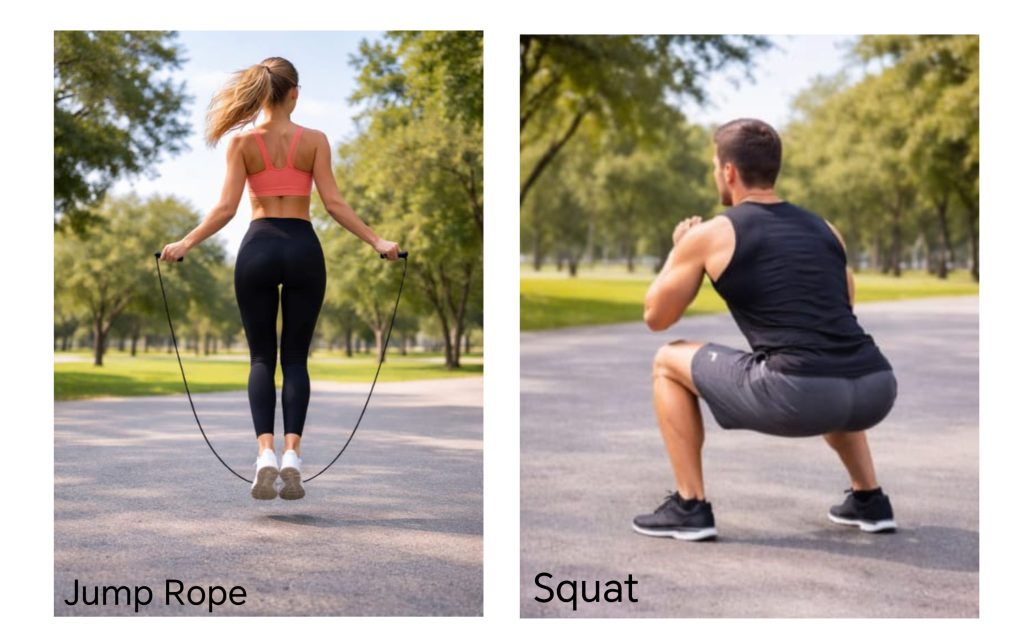
    2. Jump Rope

    Jump rope delivers strong heart benefits, better coordination and efficient calorie burn in just a few minutes per day.

    The Benefits of Jump Rope are: –

    • It Improves Cardiovascular Fitness. Rapidly elevates heart rate into an optimal training zone, strengthens heart and improves blood circulation. Importantly, it helps to reduce risk of cardiovascular disease.
    • Boosts Coordination & Agility. Jump rope requires timing between hands, feet and eyes, it enhances balance and neuromuscular control.
    • High Calorie Burn & Efficiency. Everytime when we are performing jump rope, it can burn significant calories in a short time, support fat loss and metabolic health which is ideal for quick and effective workouts.

    Performing Target: 3 to 5 minutes with interval style.

    Jump rope & Squat for Heart Health and Overall Fitness

    3. Squat

    Squats are not just strength, it is also supporting heart health through increased blow flow, building functional lower body power and improves metabolic efficiency.

    The Benefits of Performing Squat are: –

    • Enhances Blood Circulation & Cardiovascular Demand. Squats engage large muscle groups which required significant blood flow. This increases heart rate and improves overall blood circulation. And it also supports cardiovascular conditioning especially when doing in higher reps.
    • Building Lower Body Functional Fitness & Strength. By performing squats, will strengthens muscles used in daily activities such as standing, walking and lifting. It also improves our balance and stability.
    • Boosts Metabolic Health. Squats will improve insulin sensitivity and support fat metabolism. It also contributes to weight management and overall fitness.

    Performing Target: 2 to 3 sets of 12 to 15 reps each.

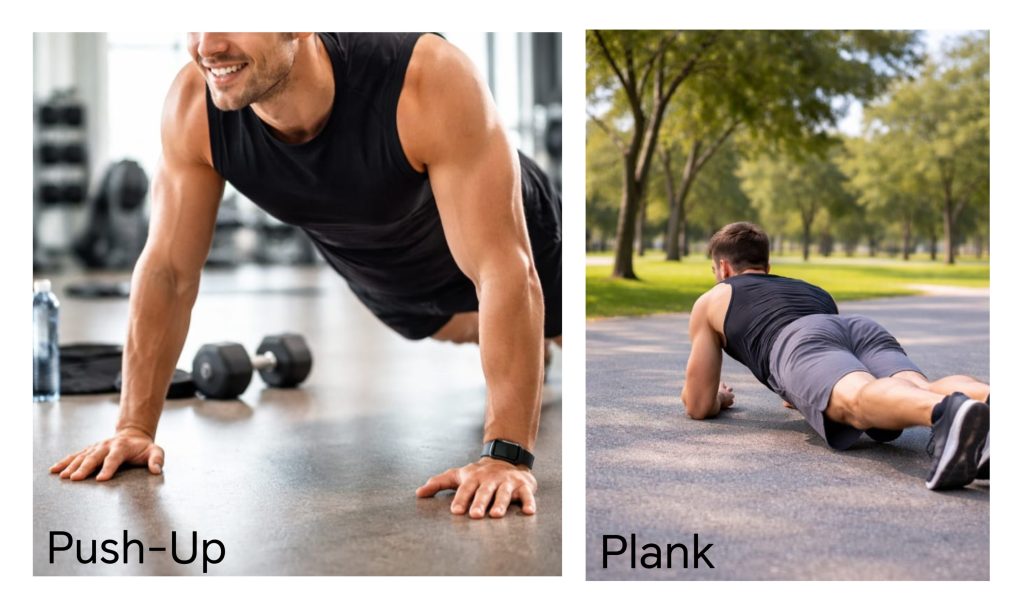
    4. Push-Up

    Push-up develops strength, core stability and endurance, making them a highly efficient full body exercise with added heart health benefits when performing consistently.

    The Benefits of doing Push -Up are:-

    • Push-up Builds Upper Body Strength. It targets chest, shoulders and triceps. It also engages supporting muscles for stability. In addition, it is improving overall pushing strength and daily functional movements.
    • It Enhances Core Stability. Push-up requires maintaining a rigid body position and activates abdominal and lower back muscles.
    • Supports Cardiovascular & Muscular Endurance. If we done in moderate to high reps will elevates heart rate. Besides, it also improves muscular endurance overtime.

    Performing Target: 2 to 3 sets of 10 to 20 reps each.

    Push up & Plank for Heart Health and Overall Fitness

    5. Plank

    Planks strengthen the core, breathing control, and endurances which indirectly supports Heart Health and Overall Fitness by improving efficiency and stability during physical activities.

    The Benefits of Performing Planks are:-

    • Supports Breathing & Heart Efficiency. Plank encourages controlled, steady breathing under tension and also enhances coordination between core muscles and respiration – It helps the body use oxygen more efficiently during daily activities.
    • Builds Muscular Endurance. It trains muscles to sustain effort overtime, improves overall stability during other exercises and contributing to better performance and reduce fatigue.
    • Improves Core Stability & Posture. Plank helps strengthen deep curve muscles such as abdominal & lower back and helps maintain proper spinal alignment. Furthermore, reducing strain on the body and improving movement efficiency.

    Performing Target: 2 sets of 30 to 60 seconds.

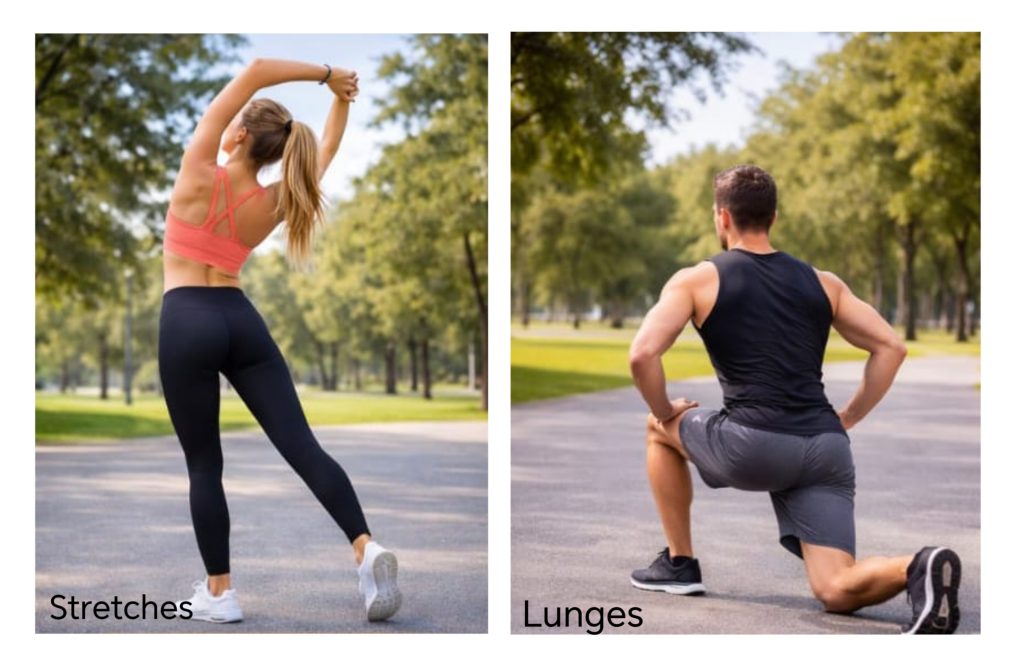
    6. Lunges

    Lunges develop balance, blood circulation, and functional strength, making them highly effective for both Heart Health and Overall Fitness.

    The Benefits of Performing Lunges are: –

    • Improve Balance & Stability. Performing lunges can train each leg independently. It engages stabilizer muscles and also enhances coordination which reducing risk of falls or injury.
    • Enhances Blood Circulation & Heart Health and Overall Fitness. By doing Lunges can activates large lower-body muscles and increase blood flow as well as cardiovascular demand. It also supports better blood circulation and heart function.
    • Building Functional Strength. Lunges can strengthen quads, glutes and hamstrings that improves overall mobility and daily performance.

    Performance Target: 2 to 3 of 10 to 15 reps per leg.

    Stretches & Lunges for Heart Health and Overall Fitness

    7. Stretches

    Stretching supports mobility, recovery, and injury prevention. Making it essential for maintaining Heart Health and Overall Fitness and also long-term physical health.

    The Benefits of Stretching are: –

    • Reduces Muscle Stiffness & Injury Risk. Stretching relieves tension in key muscle groups and improves muscle elasticity so as lowers the likelihood of strains and injuries.
    • Enhances Blood Flow & Recovery. Stretching promotes blood circulation to muscles and helps deliver nutrients and remove waste. At the same time speeds up recovery and reduces sorness.
    • Improves Flexibility & Range of Motion. It also lengthens muscles and reduces tightness. Besides, it enhances joint mobility to allow smoother, more efficient movement.

    Performance Target: 5 to 10 minutes (focusing on hamstrings, chest, hips, and shoulder).

    Incorporating daily exercises significantly enhances Heart Health and Overall Fitness. Committing to one or two of the recommended exercises fosters a sustainable routine, promoting not only cardiovascular well-being but also resilience against chronic illnesses. Prioritizing prevention through consistent physical activity is crucial for long-term health benefits.

    In conclusion, Prevention is always more Effective Than Cure!

    To read more about Healthy Life Topic please do not hesitate to click here. Thank you

    Explore more Heart Health Tips, you can click below link: