Category: Healthy Eating

  • Homemade Cooking Habits : 7 Simple Ways to Eat Healthier Every Day

    Homemade Cooking Habits : 7 Simple Ways to Eat Healthier Every Day

    Why Homemade Cooking Habits Matter

    In today’s fast-paced world, many people depend on fast food, delivery meals, and processed snacks. While convenient, these foods often contain excessive salt, sugar, and unhealthy fats that can slowly affect long-term health.

    Developing homemade cooking habits is one of the most effective lifestyle changes you can make. It does not require advanced cooking skills or expensive ingredients. Instead, it is about consistency, awareness, and making better daily food choices.

    Cooking at home gives you full control over your ingredients, portion sizes, and cooking methods. This helps improve digestion, maintain a healthy weight, increase energy levels, and reduce the risk of chronic diseases.

    The goal is not perfection – but progress through small daily habits that last.

    Meal planning is the foundation of healthy cooking habits. Without planning, it is easy to fall back into unhealthy food choices.

    Start small:

    • Plan 3 to 5 meals per week
    • Keep meals simple and realistic
    • combine protein, carbohydrates, and vegetables

    Example meals:

    • Grilled chicken with vegetables and rice
    • Egg stir-fry with mixed greens
    • Oatmeal with fruits and nuts

    Meal planning helps reduce stress, saves money, and ensures you always have a healthy option available. Over time, this habit becomes the backbone of your Homemade Cooking Habits lifestyles.

    Healthy cooking starts before you enter the kitchen – it begins at the grocery store.

    Focus on whole, natural foods:

    • Fresh vegetables like spinach, carrots, and broccoli
    • Lean proteins such as chicken, fish, tofu, and eggs
    • Whole grains like brown rice, oats, and quinoa
    • Healthy fats like olive oil, nuts, avocado

    Try to avoid:

    • Processed frozen meals
    • sugary drinks and snacks
    • Foods with long ingredients lists

    A simple rule : if the ingredients look artificial or overly processed, it is better to avoid them. Fresh ingredients improve both nutrition and flavor naturally.

    Many people give up cooking because they think healthy meals are complicated. In reality, simplicity leads to consistency.

    You don’t need fancy recipes. focus on:

    • 5 to 7 ingredients per meal
    • Quick cooking methods like stir-frying, steaming, or grilling
    • Basic seasoning using herbs and spices

    Example simple dish: Chicken + Garlic + Vegetables + Soy Sauce + Rice
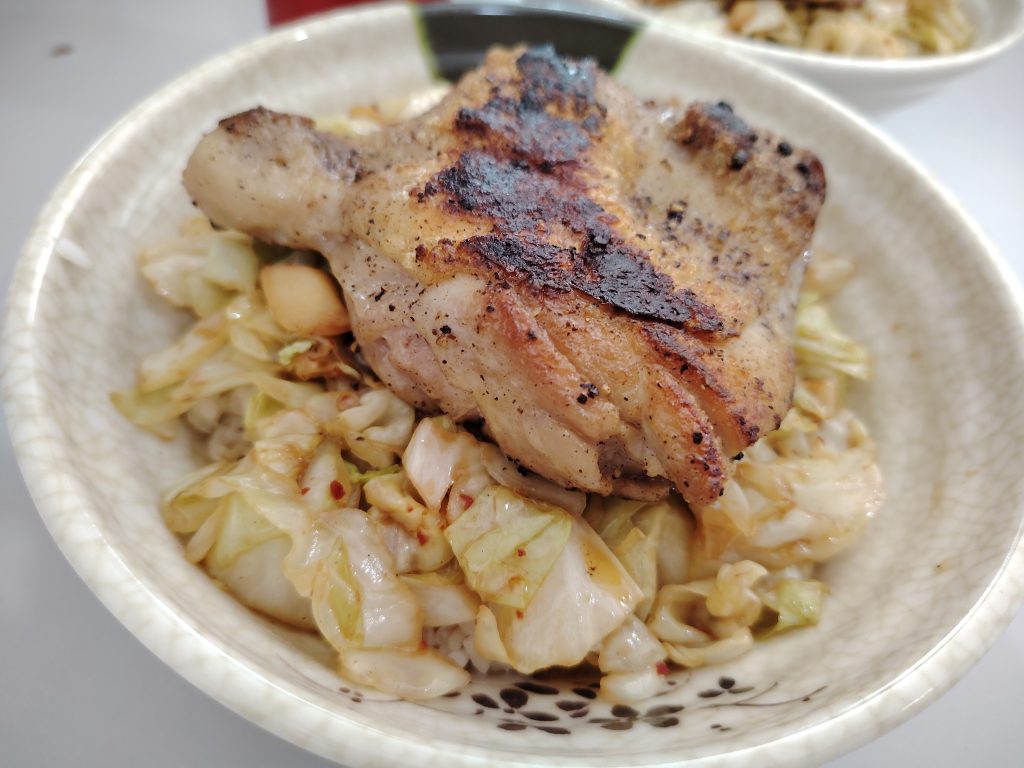
    Simple homemade meal
    Grill Chicken on top ; cabbage fry with garlic + Soy Sauce ; Rice at the bottom

    Simple cooking reduces stress and helps you stay consistent. The goal is to make cooking easy enough that you can repeat it daily without pressure.

    Health experts like the World Health Organization highlight the importance of balanced nutrition and reducing processed ingredients.

    One of the biggest benefits of homemade cooking habits is control over ingredients.

    Restaurant and processed foods often contain:

    • High levels of salt for taste enhancement
    • Hidden sugar in sauces and drinks
    • Unhealthy oils used for deep frying

    At home, you make healthier choices:

    • Use Herbs, garlic, and spices instead of excess salt
    • Replace refined sugar with natural sweetness like fruit or honey
    • Choose healthier oils such as olive or coconut oil
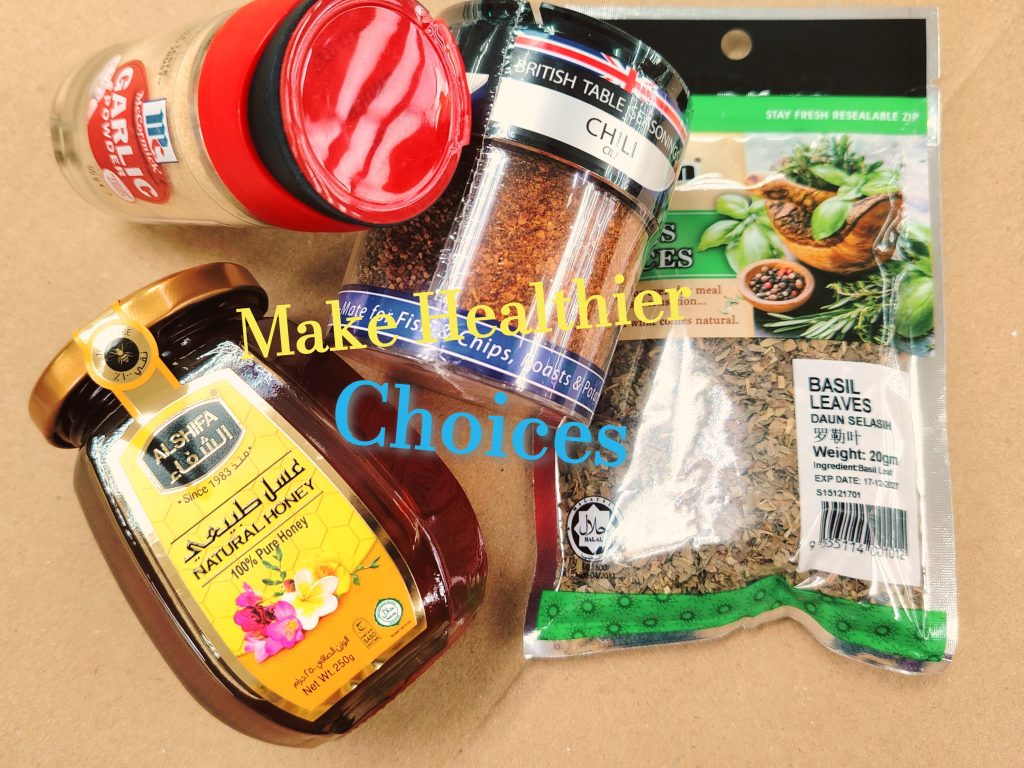
    Homemade cooking healthier choices

    These small adjustments can significantly improve heart health, blood pressure, and overall well-being over time.

    According to the World Health Organization, reducing salt, sugar, and unhealthy fats is essential for long-term health. Similarly, Harvard T.H.Chan School of Public Health emphasizes the importance of balanced meals and whole ingredients when building sustainable eating habits.

    Meal prepping is one of the most effective strategies for maintaining healthy eating habits.

    Instead of cooking everyday, you can prepare meals in advance.

    Benefits include:

    • Saves time during busy weekdays
    • Reduces the temptation to order fast food
    • Helps control portion sizes
    • Ensures balanced nutrition

    Example: Cook chicken, rice, and vegetables in bulk and store them in containers for 2-3 days.

    This method supports consistency and make your homemade cooking habits easier to maintain even with a busy lifestyles.

    Healthy eating does not mean giving up all treats. The key is making better versions at home.

    Instead of buying processed desserts, try:

    • Whole grain bread
    • Banana cakes with natural sweetness
    • Low-sugar muffins
    • Oat cookies

    Homemade baking allows you to:

    • Control sugar and fat levels
    • Avoid preservatives
    • Use healthier ingredients

    It also turns cooking into a creative and enjoyable activity, not just a daily task.

    If you’re new baking, you can start with a Beginner’s Guide to Home Baking: Easy Recipes and Daily Baking Tips, where simple recipes and practical tips help you build confidence in the kitchen.

    The final step is mindset.

    Cooking should not feel like an obligation. It should become part of your lifestyle.

    Start with small actions:

    • Cook at least one meal at home daily
    • Slowly increase home cooked meals over time
    • Make cooking enjoyable with music or family involvement
    • Try new recipes occasionally

    Consistency matters more than perfection. Over time, cooking becomes a natural habit rather than something you force yourself to do.

    ? FAQ Section

    1. What are homemade cooking habits?

    They are daily practices of preparing meals at home using fresh and healthy ingredients.

    2. Why is cooking at home healthier ?

    Because you control ingredients, portion sizes, and avoid processed foods.

    3. Can beginners start cooking at home easily?

    YES, by starting with simple recipes and basic ingredients.

    4. Does home cooking help with weight control?

    YES, it helps regulate calorie intake and improve nutrition balance.

    Understanding the Why Homemade Food is Better: Healthy Cooking Benefits You Should Know can also motivate you to stay consistent, as it highlights the long-term health benefits of cooking at home.

    Building strong Homemade Cooking Habits is one of the most sustainable ways to improve your health naturally. It does not require strict dieting or complicated recipes. Instead, it is about making small, consistent improvements everyday like meal planning, choosing fresh ingredients, and cooking simple meals.

    Over time, these habits will improve your energy, support weight management, and reduce health risks. Most importantly, it helps you build a sustainable lifestyle that you can maintain for years.

    Healthy living begins in your kitchen – and every meal is a new opportunity to take care of your body.
  • Stop Dieting: 5 Smart Way to Eat Healthy Everyday

    Stop Dieting: 5 Smart Way to Eat Healthy Everyday

    A lot of people who heard about diet will link it to Eat Less and not Eating Healthy. This is the most wrong concept, that’s why not many people succeed in well managing weight control. Instead, it’s important to focus on how to Eat Healthy.

    I used to think eating healthy meant strict dieting and cutting out all my favorite foods. Unfortunately, it never lasted every time I tried. I felt tired and even got headaches when I changed my habits too quickly.

    **caffeine withdrawal cause headache

    Learning to Eat Healthy allowed me to enjoy my meals without guilt. I also realized that eating healthy everyday is about building something simple that can fit into our daily life. There is no shortcut way.

    1. Important of Balance, Not Restriction

    In order to control our body weight well and eat healthily, we should eat a balanced diet rather than cutting out foods. Restrictive dieting can cause our body to lack vitamins and affect our health in the long run.

    Every meal should contain carbohydrate, protein and fiber. My simple formula is 50% fiber, 25% protein and 25% carbohydrate on each plate meal.

    Carbohydrates provide the primary source of energy throughout the day. They not only steady your energy but also fuel your brain, support physical activity, and help you stay active. Without enough carbohydrate, you will feel tired and weak.

    Protein aids build and repair body muscle. Besides that, it’s also helps stabilize blood sugar. However, consuming too much protein can place a metabolic burden on the body, particularly on the kidneys.

    Fiber is essential for a healthy digestive system. It helps you feel full and satisfied and also improves gut health. Foods rich in fiber include vegetables, fruits, and whole grains.

    Eating healthy is not about cutting food or eating less – it’s about BALANCE. A balanced plate can be simple: brown rice for carbohydrate, grilled chicken for protein, and vegetables for fiber. This combination provides the nutrients your body needs without overcomplicating your diet.

    (For more details)

    2. Sugar Control

    Eating Healthy not equal to cutting sugar quickly and making food taste bland. I started by reducing the sugar in my daily morning coffee to 1.5 teaspoons, then to 1 teaspoon instead of 2 teaspoons at the beginning.

    Many foods contain hidden sugar, such as drinks, sauces and packaged snacks, which can make it difficult to eat healthily. Whenever you have a craving, try making these foods at home. This allows you to choose ingredients that already have natural sweetness such as berries for smoothies, sweet vegetables like carrots or pumpkin for sauces and bananas for snacks. By preparing food yourself, you can enjoy tasty meals while maintaining a healthy diet.

    Besides that, SWAPPING INGREDIENTS and USING HEALTHY ALTERNATIVES is one of the solutions for eating healthily. For example, use honey as natural organic ingredient in small amount, add fresh fruit instead of sugar in yogurt, use cinnamon to enhance sweetness naturally in coffee and choose unsweetened milk instead of flavored milk.

    Controlling sugar doesn’t not meant cutting it out completely (ZERO); it’s about making smarter choices and letting your taste buds adjust naturally.

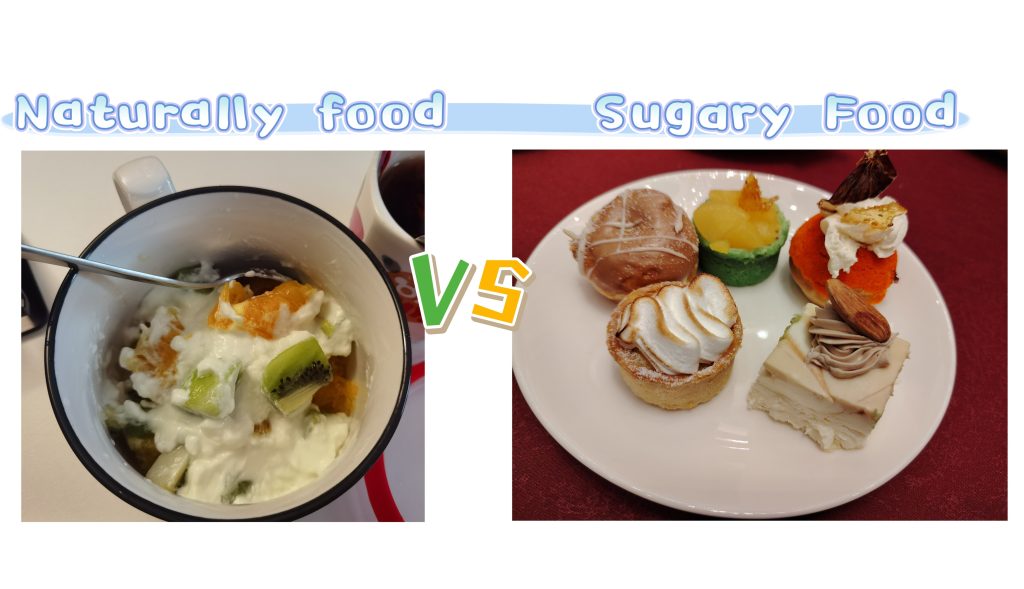
    Comparison of eat healthy natural foods like yogurt and fruit versus sugary processed foods like cakes and chips

    3. Eat Whole Foods, Not Processed Foods

    To eat healthy every day without dieting, one of the smartest steps is to focus on whole foods instead of processed foods. Rather than restricting what you eat, simply choosing more natural and less processed options can make a big difference to your overall health.

    A diet must also be healthy, not just restrictive. Choosing the right quality of food is more important than simply eating less.

    Whole foods are foods that are either unprocessed or minimally processed. They are as close to their natural state as possible, without added sugar, excess salt, unhealthy fats, or artificial ingredients. examples include fresh fruits, vegetables, nuts, seeds, eggs, and whole grains.

    Why Focus on Whole Foods?

    A diet rich in whole foods provides many proven health benefits:

    • Nutrient Density
      Whole foods contain a natural combination of vitamins, minerals, fiber, and antioxidants that work together to support your body. This is far more beneficial than processed foods with added nutrients.
    • High in Fiber
      Fiber helps improve digestion, control blood sugar levels, and keep you feeling full longer. Most processed foods lose their fiber during manufacturing.
    • No Empty Calories
      Whole foods provide real nutrition along with energy, while many processed foods contain “empty calories” with little nutritional value.
    • Fewer Harmful Additives
      By choosing whole foods, you naturally reduce your intake of added sugar, sodium, and unhealthy fats- key contributors to chronic diseases such as heart disease, type 2 diabetes, and obesity.

      Medical News Today

      When you focus on whole foods, you don’t need strict diets – your body naturally gets what it needs to stay healthy.

      4. Listen to Our Body

      To truly eat healthy, it’s important to listen to your body’s signals instead of following strict diets. Pay attention to hunger and fullness cues instead of eating out of habit or boredom. Start by eating slowly, savoring each bite, and stopping when you feel satisfied-not stuffed.

      Include a variety of foods that provide energy and nutrients, such as vegetables, fruits, whole grains, and protein. Drink water regularly to stay hydrated and notice how your body reacts to different foods. By turning into your body’s signals, you can make mindful choices and enjoy eating healthy naturally.

      5. Make It a Daily Habit (Not a Shot-Term Diet)

      The last smart way to eat healthy every day is to turn it into a DAILY HABIT. It is not a short-term diet, but a long-term lifestyle you can sustain. Instead of aiming for perfection, focus on starting small and staying consistent. Simple steps done every day will always be more effective than extreme changes that don’t last.

      For example, you can turn cooking into a hobby and enjoy preparing your own meals. Pay more attention to the ingredients you use each day, choosing natural and wholesome options whenever possible.

      Over time, these small actions will become part of your routine. Healthy eating will no longer feel like EFFORT– it becomes your LIFESTYLE.

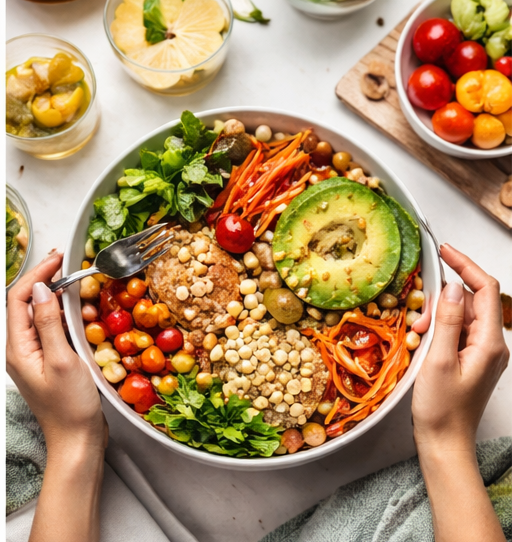
      prepare and cook whole foods for eat healthy daily

      IN A NUTSHELL

      Healthy eating doesn’t start with dieting – it starts with a shift in mindset. When you stop chasing quick results and focus on balance, sugar control, listening to your body, whole foods and daily habits, everything becomes simple and more sustainable.

      You don’t need to be perfect. You just needs to be consistent. Small , smart choices made everyday are far more powerful than strict diets that only last a short time.

      When you enjoy your food while making healthier choices, staying consistent and maintaining your lifestyle becomes effortless.

      In the end, healthy eating is not about restriction- it’s about creating a lifestyle that nurtures your health, boots your energy, and supports your long-term well-being.